
Everything in nature is connected. While we, as humans, often have a tendency to compartmentalise, permaculture involves seeing everything holistically. We must understand the connections between elements in every system, and use and value diversity. We must recognise natural interactions and use them to our advantage. When we connect – both to other people andContinue reading “Connect and Thrive”
Category Archives: Uncategorized
Planting for Soil Stabilisation on a Slope

Yesterday, I mentioned swales and terracing for water control. These landscape features often used in permaculture design manage water flow. By preventing water run-off, they can also aid in reducing erosion. But in addition to these earthworks, soil stabilisation on a slope also involves thinking carefully about planting. In permaculture, earthworks and planting cannot beContinue reading “Planting for Soil Stabilisation on a Slope”
Managing Water Flow in Permaculture Design
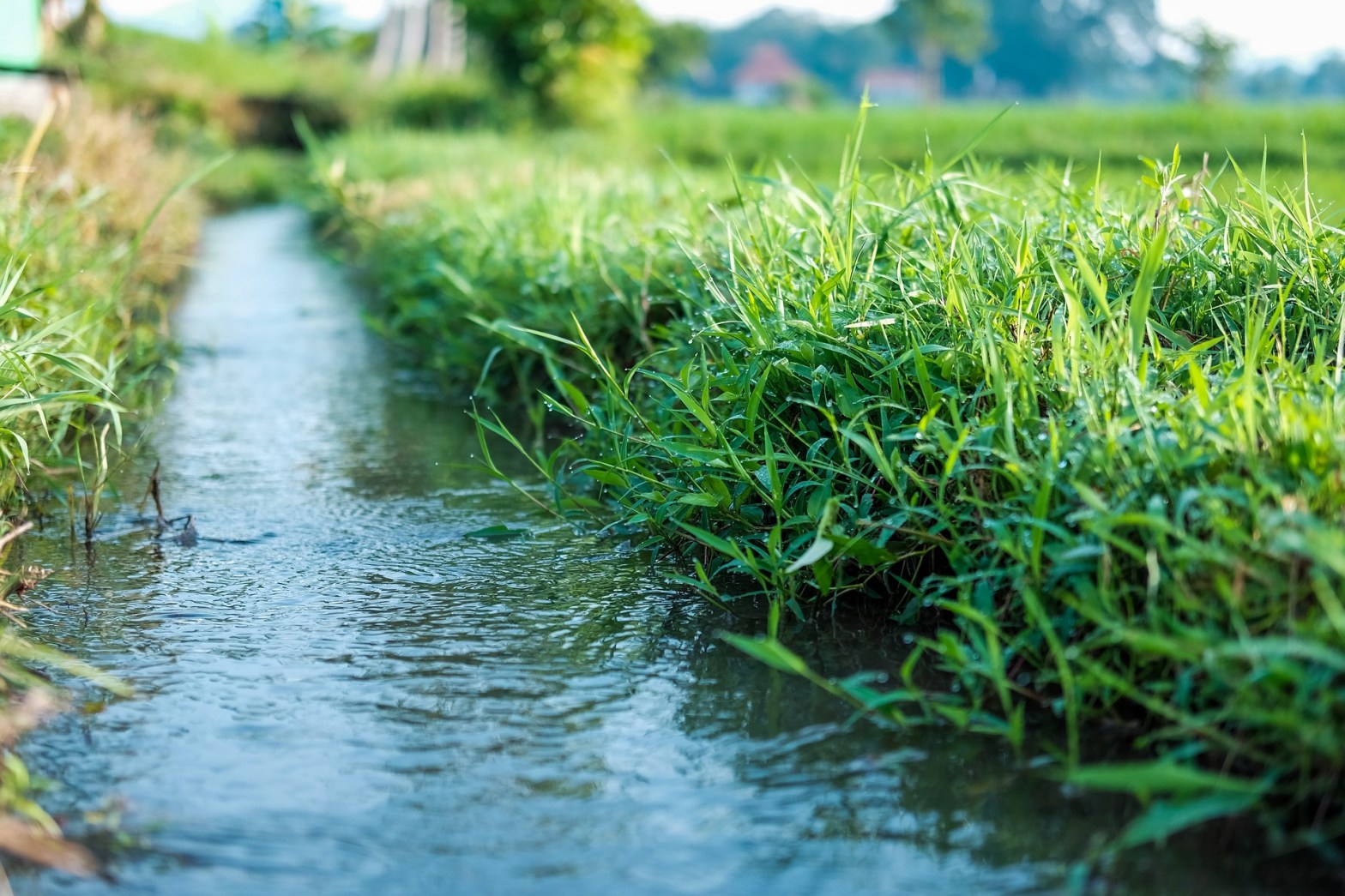
In permaculture, one of the basic design principles is use and value renewable resources. One of the most vital natural resources we have is fresh water. Permaculture approaches to all facets of life must take into account the pathways of fresh water. Those designing sustainable landscapes and food producing systems must think about how freshContinue reading “Managing Water Flow in Permaculture Design”
Tips for an Existing Community Garden
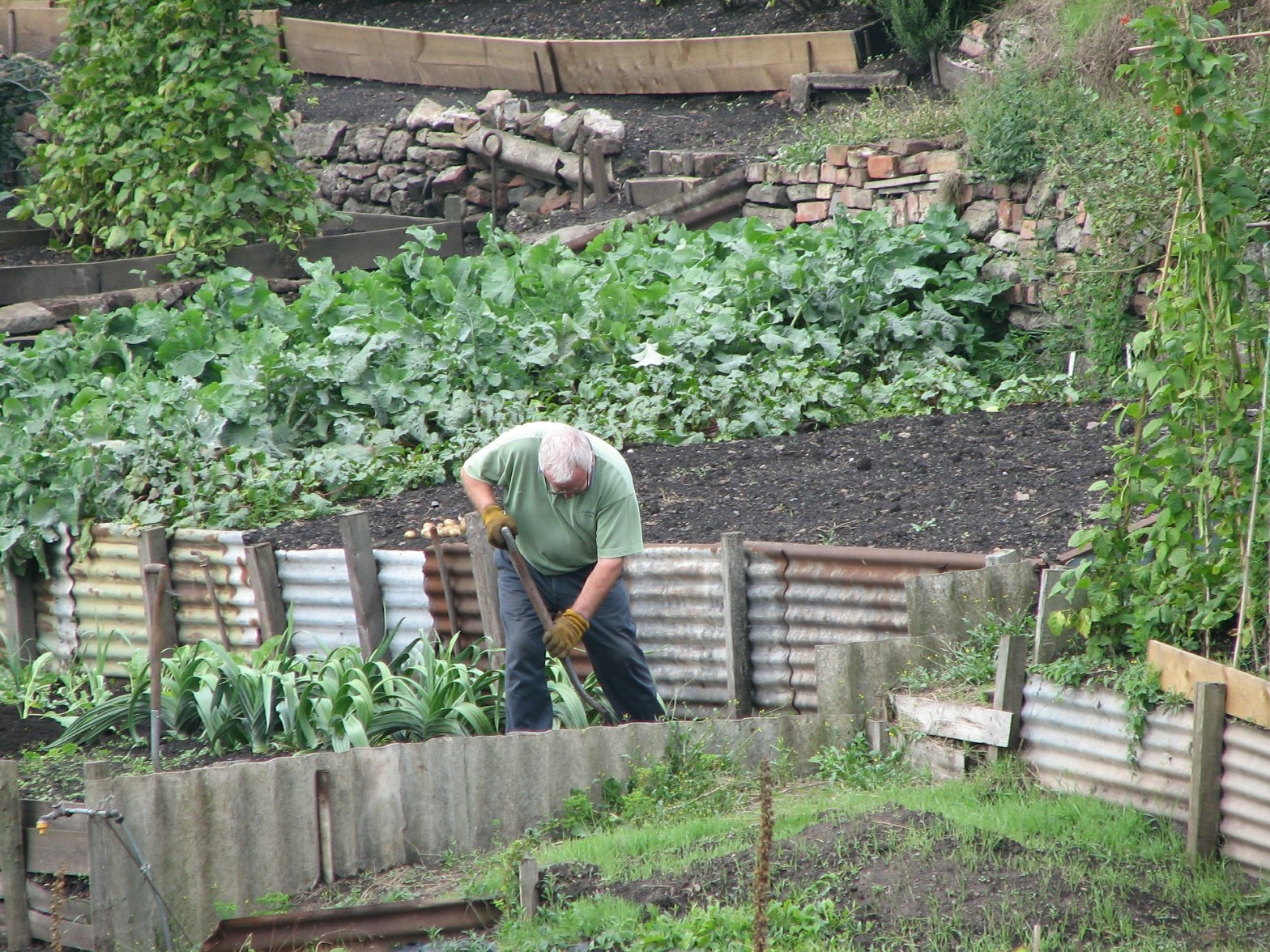
Inspired by a recent outreach, I thought I would take some time to talk a little about community gardens. Community gardens are a wonderful thing. Whether they are on public land, brown field sites, local authority spaces, school playgrounds, beside a church, or other community space, they can make a big difference in a community.Continue reading “Tips for an Existing Community Garden”
Ecosystem Restoration and Community Development Must Go Hand in Hand

I’ve been working on an ongoing project in Somalia, and this has led me to think a lot about the fact that, all too often, efforts in conservation and ecosystem restoration are divorced from efforts in the social and economic spheres. We often talk about the fact that economic sustainability involves looking at the environmentalContinue reading “Ecosystem Restoration and Community Development Must Go Hand in Hand”
Passive Solar Design – Protecting Plants in Winter

Passive solar design is an important strategy in designing an undercover growing area, as well as a home. It can help you create an area where you can successfully grow crops all year round. A greenhouse can dramatically extend the length of your growing season. It can also make it possible for you to growContinue reading “Passive Solar Design – Protecting Plants in Winter”
Choosing Bare Root Trees and Shrubs

Most who are new to gardening imagine that spring will be the best time to begin to establish new growing areas. But you do not need to wait until next year to start creating a new edible garden. Choosing bare root trees and shrubs is a good way to start creating a forest garden orContinue reading “Choosing Bare Root Trees and Shrubs”
Avoiding a ‘When and If’ Mentality in Sustainability

“When we can afford our homestead then we’ll….” ” If work slows down then I can…” “When I have more time it will be possible to…” When and if can be useful – it is important to dream about and plan for the future. But a ‘when and if’ mentality can sometimes become a roadblockContinue reading “Avoiding a ‘When and If’ Mentality in Sustainability”
Plant Daffodils – Spring Ephemerals in a Forest Garden

Daffodils and other flowering bulbs are a cheerful sight in spring. They can brighten up a garden and bring light to the partial shade around trees and shrubs. Spring bulbs like daffodils are spring ephemerals. They bloom only for a short time, fading and beginning to die back as warmer weather arrives. Through three seasons,Continue reading “Plant Daffodils – Spring Ephemerals in a Forest Garden”
Using Living Mulch
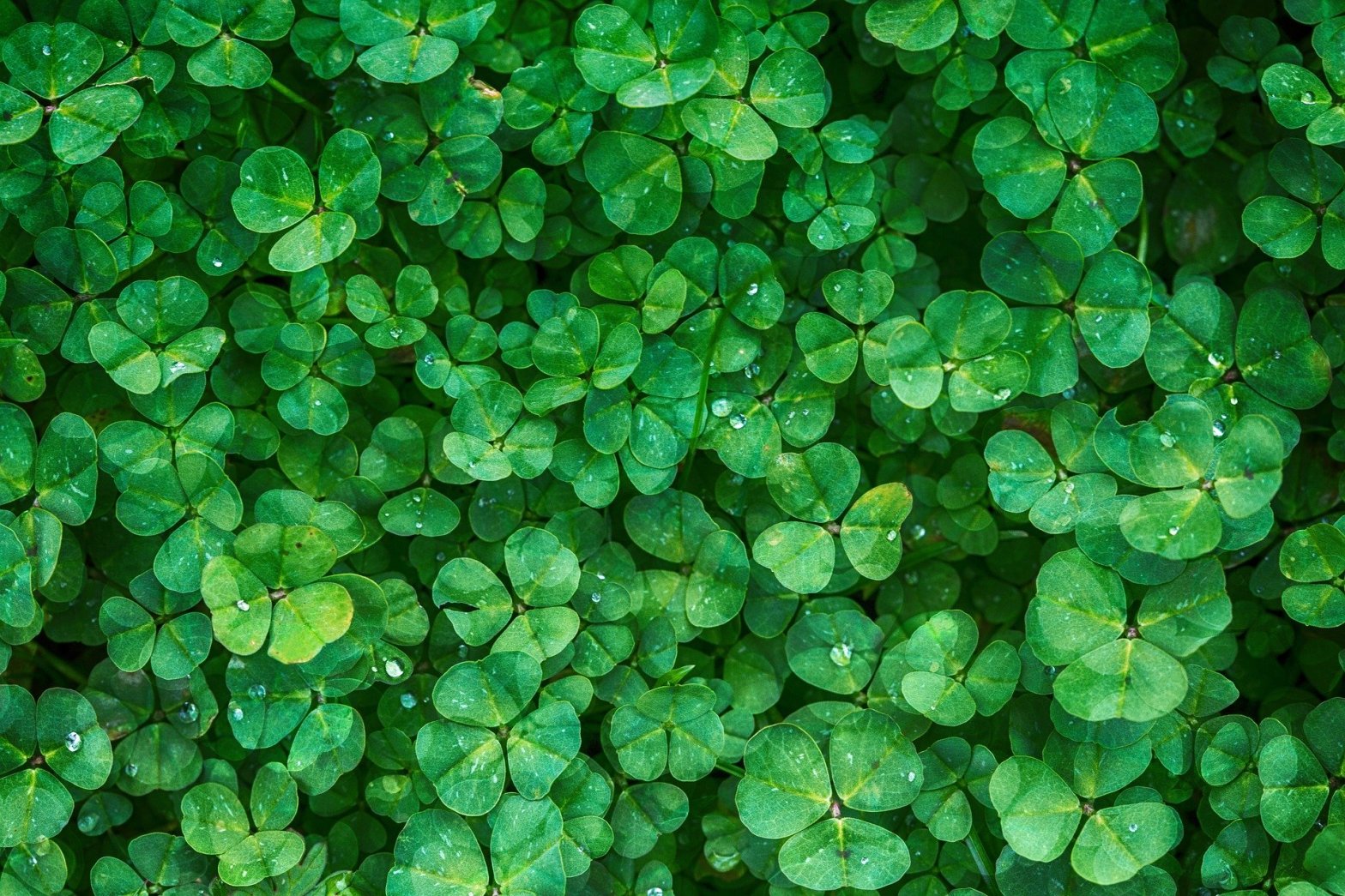
Mulching is an important thing in an organic garden. It is crucial for protecting the soil, retaining moisture and suppressing weeds. It can also be beneficial in other ways, such as providing habitat and shelter for soil life and other wildlife. Many people are familiar with mulches such as compost, well-rotted manures, straw, wood chipContinue reading “Using Living Mulch”
 EWSP Consultancy