
As a permaculture designer, I understand that when it comes to designing food producing systems, one size does not fit all. In one location, a forest garden or agroforestry system might be the best solution. But for certain sites, especially in more arid climate zones – aquaponics is another very interesting, sustainable food producing systemContinue reading “Aquaponics and Its Role in Sustainable Food Production”
Author Archives: Elizabeth Waddington
Plastic Free Bathroom

Moving away from single use and disposable plastics is something we can all do. But plastic is so ever-present that it can be difficult to know where to start. I find that it can be helpful to think about reducing plastic use inside your home one room at a time. I’ve already written a shortContinue reading “Plastic Free Bathroom”
Sustainable Wardrobe Choices – The Antidote to Fast Fashion
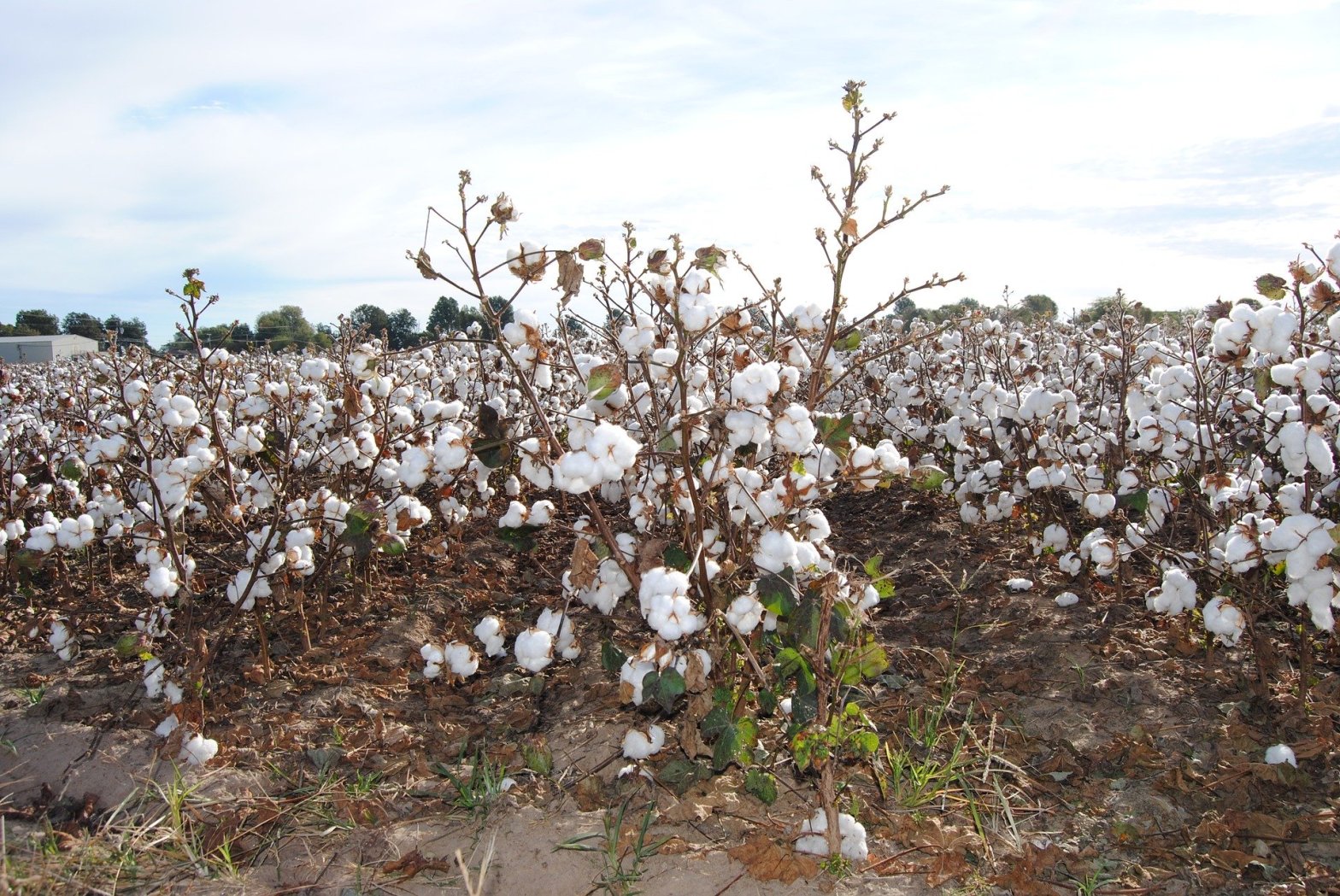
Now that more people are getting out and about again, you might be thinking about what to wear. Perhaps you feel that your wardrobe needs an update. Now that you are heading into a workplace again, or meeting up with friends or family that you have not seen in a long time, you might beContinue reading “Sustainable Wardrobe Choices – The Antidote to Fast Fashion”
Green Getaway Ideas as Lockdown is Lifted

As lockdowns around Europe are lifted, many people’s minds are turning to travel once more. But those of us who are passionate about sustainability will not rush to book flights or jet off to holiday hot-spots. Aviation is unfortunately not an area where sustainability is top of the agenda. And as most of us areContinue reading “Green Getaway Ideas as Lockdown is Lifted”
Borage – A Nectar Factory For Your Garden

Borage (Borago officinalis) is an excellent plant choice in many organic gardens. There are plenty of reasons to grow it where you live. A relatively hassle-free annual flowering plant, borage can be a great option for many temperate climate permaculture gardens. I have borage growing in my forest garden, where it self-seeds reliably every year.Continue reading “Borage – A Nectar Factory For Your Garden”
Retrofitting Suburbia For a Sustainable Future

Suburbia, in some ways, exemplifies much that is wrong with modern society and the way many people live their lives. It was designed around the car – not around people or the environment. Suburbs can often be sterile seas of little boxes, manicured lawns, driveways, garages and roads. But here and there, oases are appearingContinue reading “Retrofitting Suburbia For a Sustainable Future”
Case Study: Permaculture Community

The above image is another portion of the permaculture design I was working on in New York State. This portion of the plan shows the scheme to create six multi-generational eco-friendly and sustainable homes. Each one has garden utility and functionality which enables a greener way of life. A community barn and farm stalls (to theContinue reading “Case Study: Permaculture Community”
Integrate Don’t Segregate
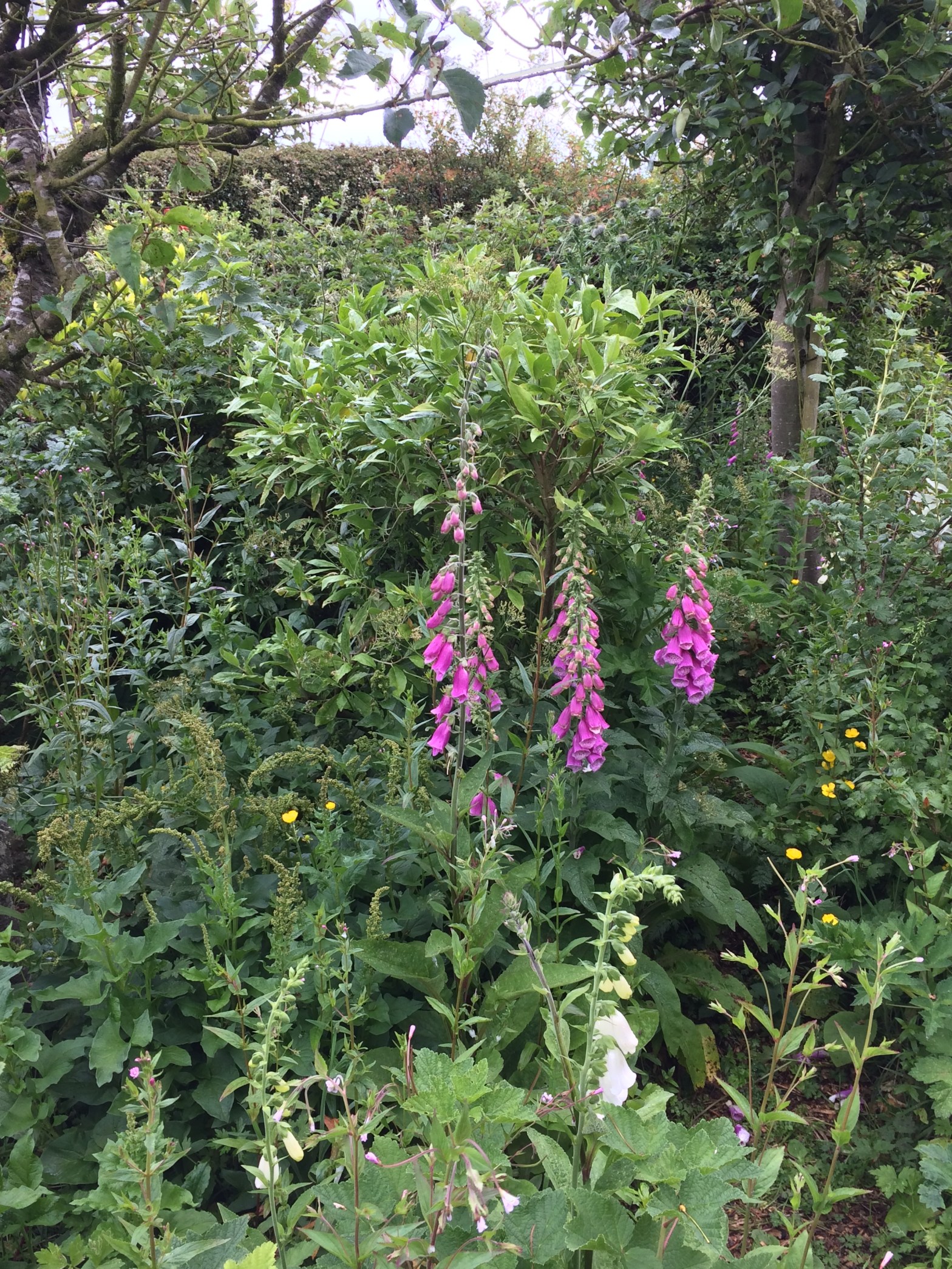
In our gardens and in our lives, integration can be integral to positive change. Lockdowns have left many of us feeling isolated and cut off from others. But in some ways, facing challenges together has brought people closer. Communities have come together – even as we have physically been kept apart. In a world ofContinue reading “Integrate Don’t Segregate”
What Are Nematodes?
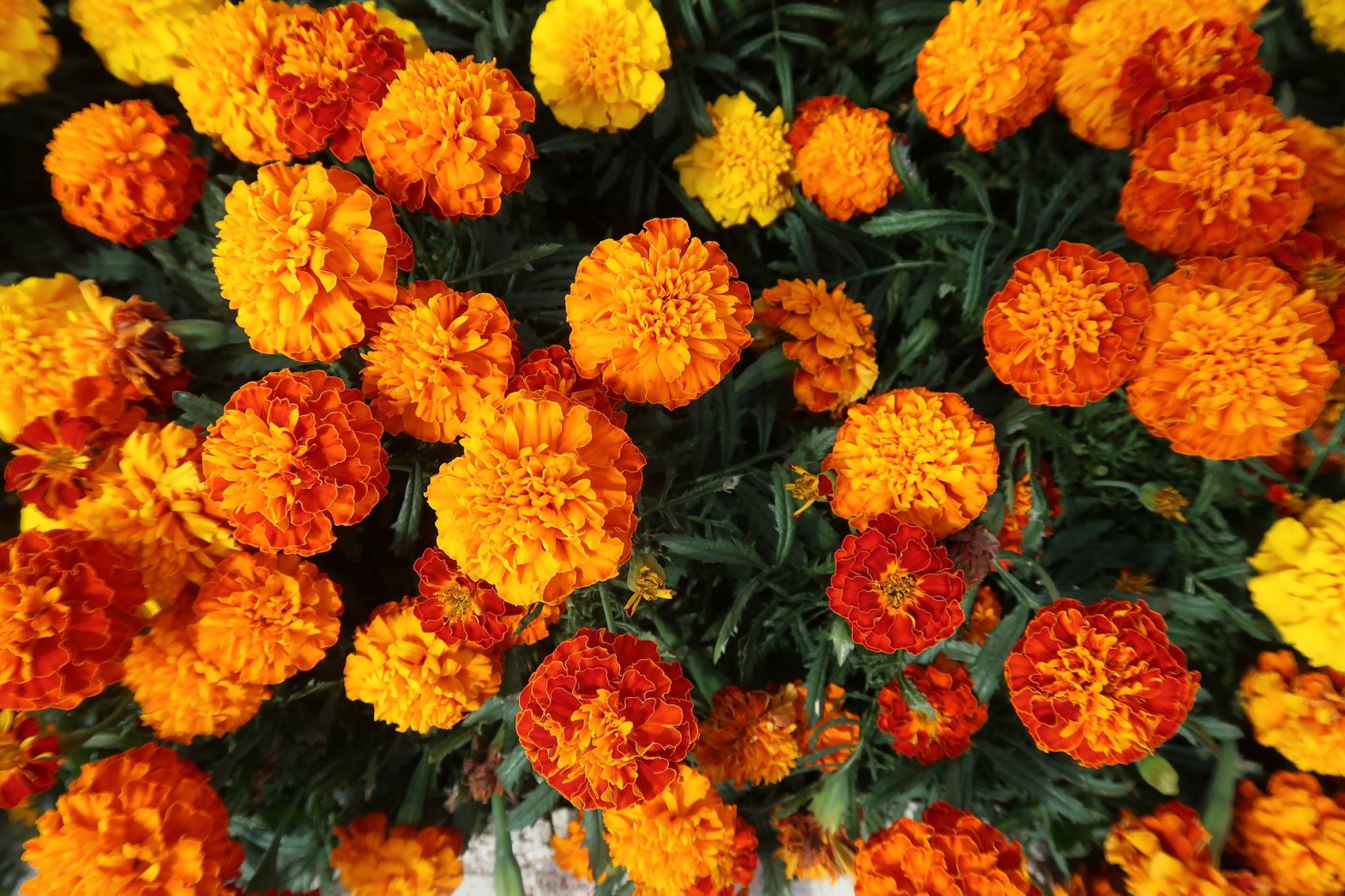
Delving deeper into soil ecology can be a good move for an organic gardener. The more we know about our soil and what it contains, the better placed we will be to manage our gardens in an eco-friendly and sustainable way. One important soil dweller is one that many gardeners know nothing about. Nematodes areContinue reading “What Are Nematodes?”
Fungi and their Function in an Organic Garden

When you think about fungi, mushrooms are probably the first things that spring to mind. But fungi is far more important in your garden than you may imagine. Like bacteria and other soil life, fungi plays a vital role in the soil ecosystem. They are another hidden helper in an organic garden. Without them, weContinue reading “Fungi and their Function in an Organic Garden”
 EWSP Consultancy