
As I wait for the fruit to ripen on the plum and apple trees in my own garden, I thought this would be a good time to share a few simple tips for choosing fruit trees for your own garden. Think about which fruits you actually like to eat. (I am not a particular fanContinue reading “Tips for Choosing Fruit Trees for Your Garden”
Author Archives: Elizabeth Waddington
Working Remotely on Permaculture Designs

From home, I work on permaculture designs for clients all over the world. Of course, permaculture has a strong emphasis on practicality, and there is no real substitute for actual observation and implementation on the ground. Some people are confused about exactly what a remote permaculture design can offer. But this way of working isContinue reading “Working Remotely on Permaculture Designs”
Streamlining Harvesting

This is, of course, a busy time of year for many of us when it comes to harvesting. Though it is often one of the most pleasurable jobs in the summer garden, it can be time consuming. Streamlining harvesting means spending some time thinking about efficiencies, and coming up with small solutions to make thingsContinue reading “Streamlining Harvesting”
Case Study: Wisconsin Permaculture Design
This Wisconsin property, in Juneau County, is in USDA zone 5. It has largely Boone-Tarr soils, c. 6-15 percent slopes, some with high runoff and excessive drainage. Mean annual precipitation is 28 to 33 inches. Mean annual air temperature: 46 to 52 degrees F. Frost-free period: 135 to 160 days. Most of the property isContinue reading “Case Study: Wisconsin Permaculture Design”
Wildfire Preparedness in Permaculture Design
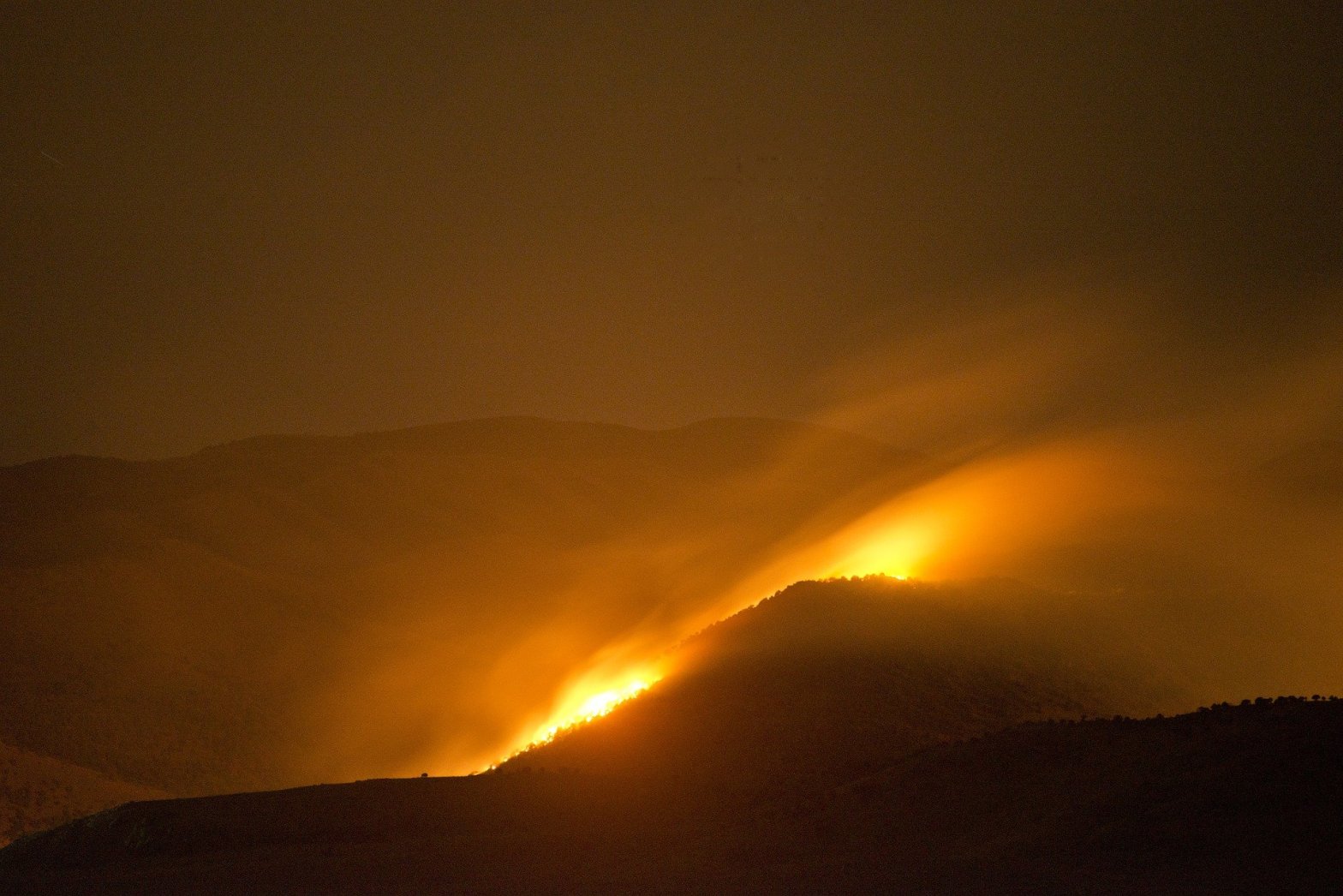
Wildfires are, unfortunately, becoming an increasingly common danger in many parts of the world. And permaculture designs need to factor in wildlife preparedness and consider how the to mitigate wildfire risks as well as considering other factors relating to the sectors acting on the site. When looking at wildfire, one key thing to look atContinue reading “Wildfire Preparedness in Permaculture Design”
Glyphosate – Enough is Enough
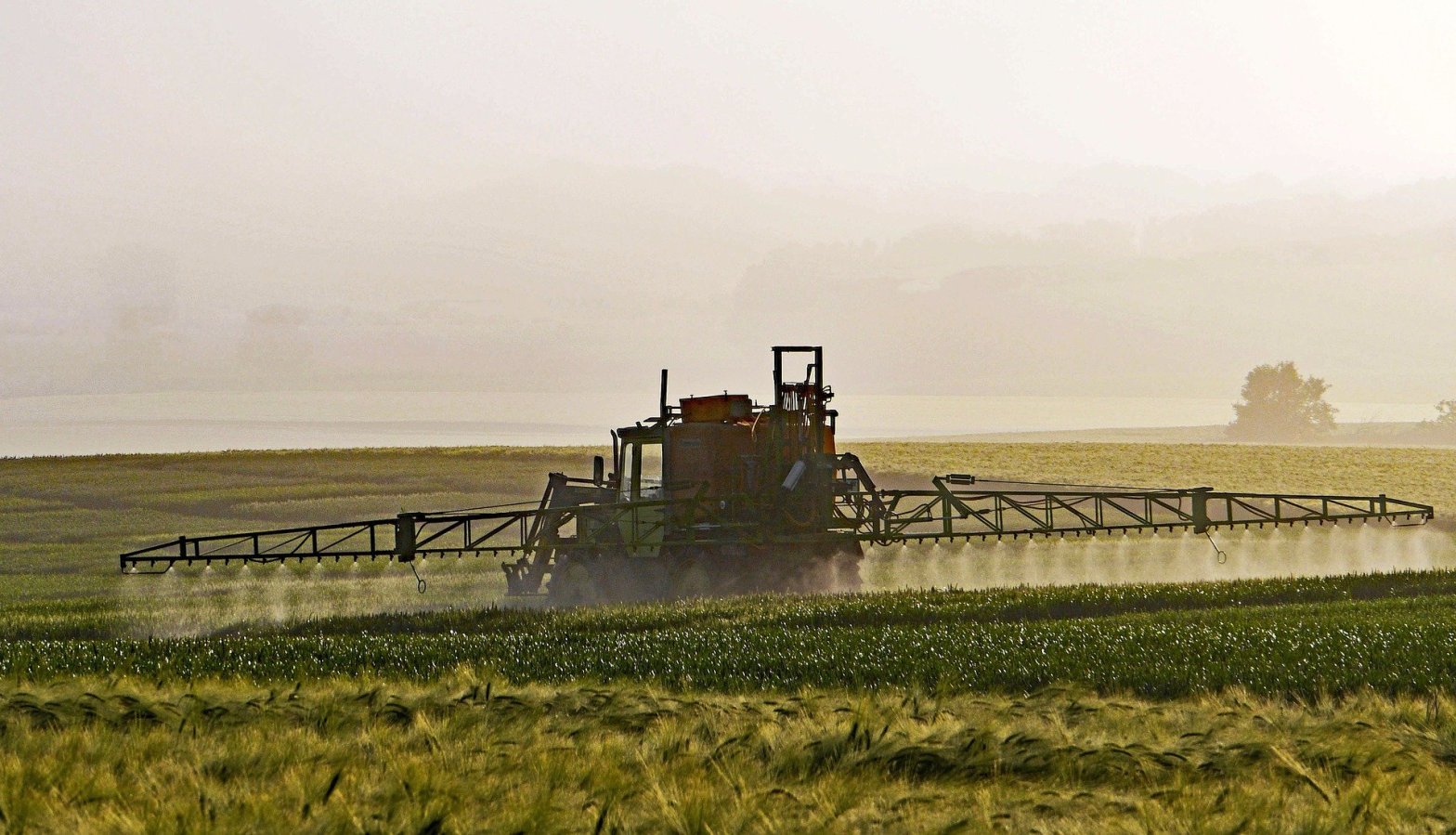
With the recent news that Bayer will stop selling glyphosate-based weedkillers to domestic buyers (though not to professionals and for agricultural use) in 2023, and the substance up for review in the EU next year, now seems a good time to ask ourselves whether we can really put up with Roundup and other herbicides andContinue reading “Glyphosate – Enough is Enough”
Grow More Fruit in Less Space
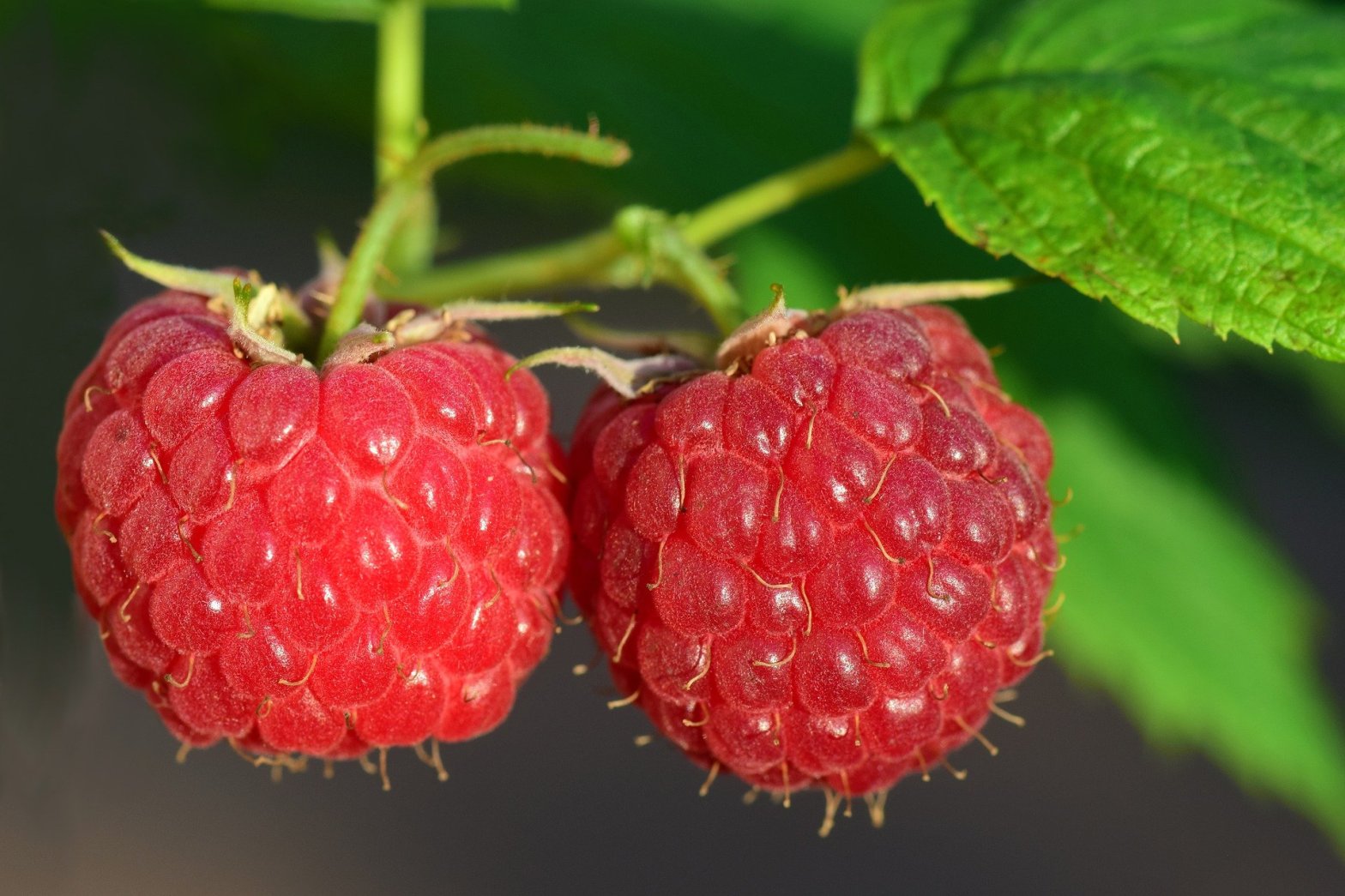
As you may have gathered from previous posts, I love to grow plenty of fruit in my garden. In my forest garden, I have many fruit producing plants – from trees, to shrubs – even fruiting ground cover plants. And I have plans to add even more. I recently purchased a few extra additions (includingContinue reading “Grow More Fruit in Less Space”
The IPCC Report – A Stark Warning
The latest report from the Intergovernmental Panel on Climate Change (IPCC) is stark and alarming. Though the science and conclusions certainly come as no surprise, this is a reminder to us all of the dire consequences of inaction. Climate change is an existential threat, and burying our heads in the sand will not help. AsContinue reading “The IPCC Report – A Stark Warning”
Scaling Up Sustainable Solutions

Many of the solutions that have the power to combat our climate crisis are commonly practiced on a small scale in gardens, in smallholdings, on homesteads and small farms. Many of these solutions, involving taking care of the soil and managing water well, for example, will likely already be well known to many with anContinue reading “Scaling Up Sustainable Solutions”
Fragrant Phacelia

The farm estate fields just across the road from our property are blooming beautifully at the moment with a cover crop including Phacelia. These look wonderful, and of course also bring benefits for bees and other pollinators. Phacelia is a wonderful plant for bees. The plants themselves seem to buzz loudly on a sunny day.Continue reading “Fragrant Phacelia”
 EWSP Consultancy