
Fruit trees are self-regulating. The ‘June drop’ is a tree’s natural way of ridding itself of excess fruits it cannot support. Where I live, here in Scotland, the ‘June drop’ actually usually occurs some time in July. Some new gardeners are alarmed to see unripe fruits. littering the ground below their trees. But not onlyContinue reading “Using Unripe Windfall Apples From the Garden”
Tag Archives: forest garden
July in the Forest Garden

July in the forest garden is an abundant time. Soft fruits are the stars of the show. We have plenty of red currants, blackcurrants, raspberries, as well as the last of the strawberries and gooseberries. Harvesting and preserving are the order of the day. Even in a low maintenance garden like a forest garden, thereContinue reading “July in the Forest Garden”
Which Growing System Might be Right for You?
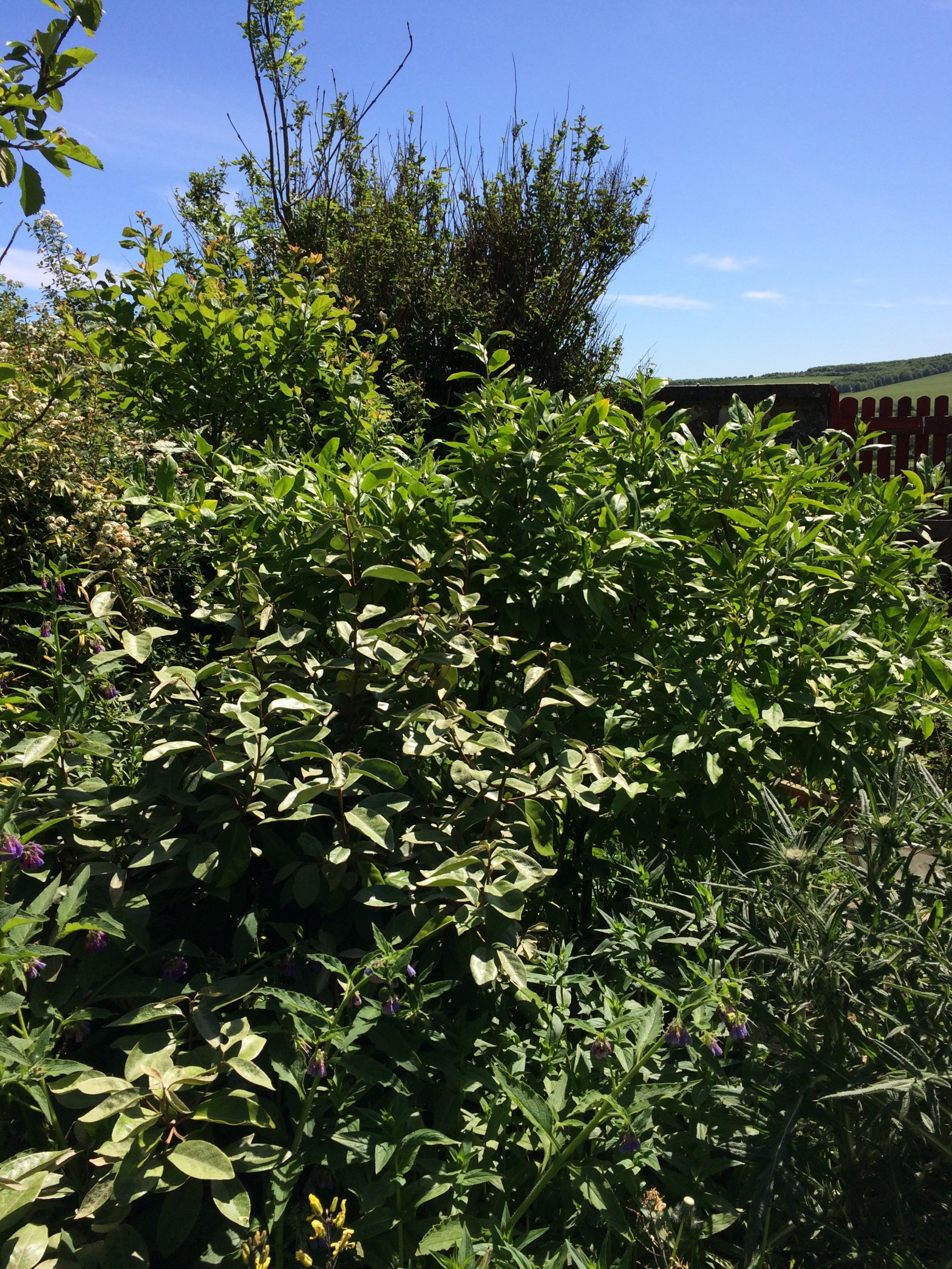
Over the last few days, I’ve touched upon the idea of aquaponics. And as you will be aware if you’re read my other posts, forest gardening is another idea I am passionate about. When it comes to a successful garden, one of the most important things to remember is that what works well for othersContinue reading “Which Growing System Might be Right for You?”
Retrofitting Suburbia For a Sustainable Future

Suburbia, in some ways, exemplifies much that is wrong with modern society and the way many people live their lives. It was designed around the car – not around people or the environment. Suburbs can often be sterile seas of little boxes, manicured lawns, driveways, garages and roads. But here and there, oases are appearingContinue reading “Retrofitting Suburbia For a Sustainable Future”
Integrate Don’t Segregate
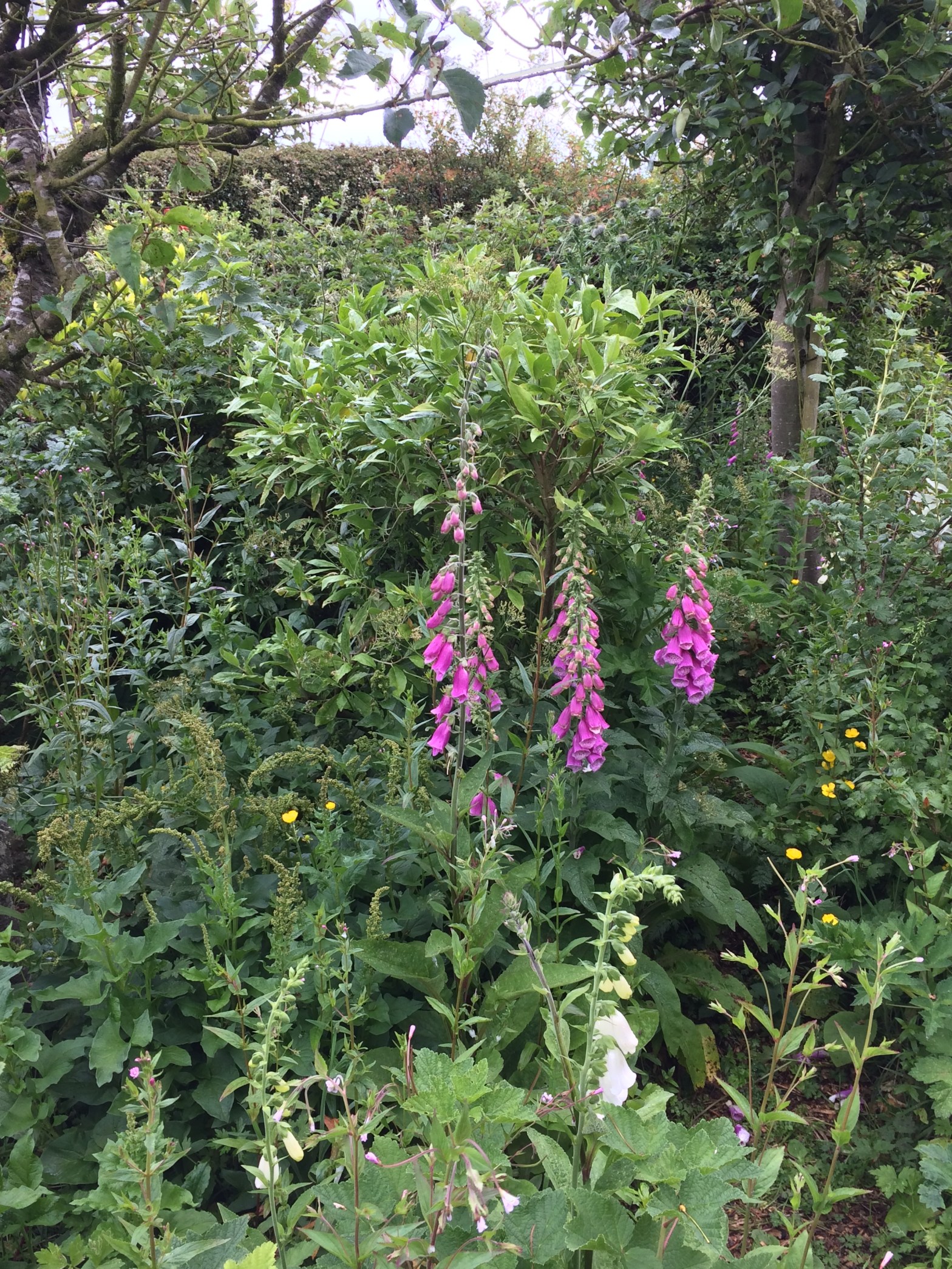
In our gardens and in our lives, integration can be integral to positive change. Lockdowns have left many of us feeling isolated and cut off from others. But in some ways, facing challenges together has brought people closer. Communities have come together – even as we have physically been kept apart. In a world ofContinue reading “Integrate Don’t Segregate”
Fungi and their Function in an Organic Garden

When you think about fungi, mushrooms are probably the first things that spring to mind. But fungi is far more important in your garden than you may imagine. Like bacteria and other soil life, fungi plays a vital role in the soil ecosystem. They are another hidden helper in an organic garden. Without them, weContinue reading “Fungi and their Function in an Organic Garden”
Reasons To Lose the Lawn (And What to Replace it With)

There are plenty of reasons to get rid of the lawn in your garden. When I say lawn, what I am referring to is a manicured, perfect grass mono-crop. Of course, grass cover is not always a bad thing. Grass cover can protect the soil, feed livestock, and can be very practical. It can alsoContinue reading “Reasons To Lose the Lawn (And What to Replace it With)”
Case Study: Losing the Lawn To Create a More Abundant, Productive Garden
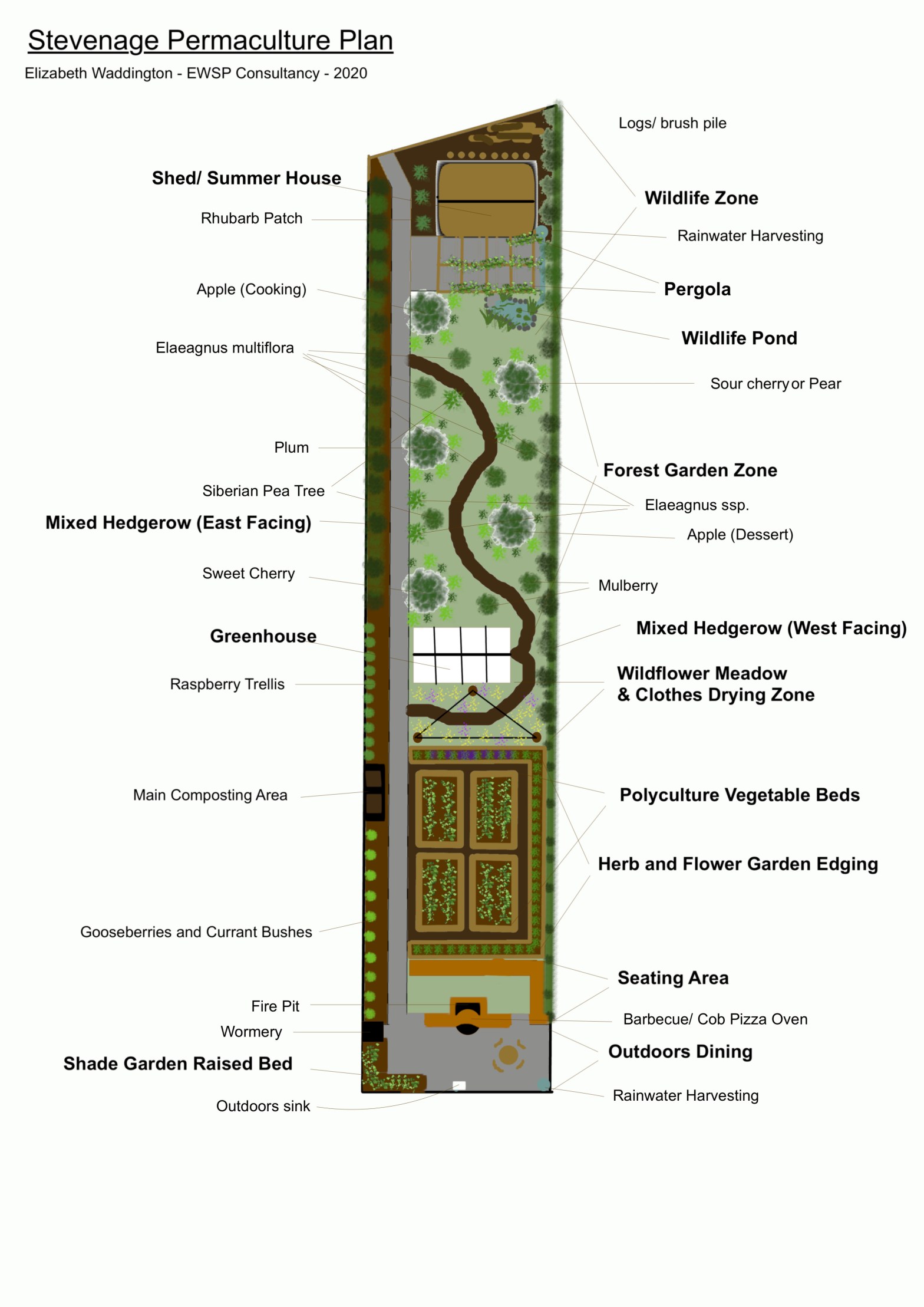
In this case study, I want to share with you part of a design I created for one homeowner who wanted to overhaul her long, lawn-covered garden. It is designed to provide a restful and reasonably low maintenance space, which can be enjoyed by the family, and yet will allow for plenty of food production. Continue reading “Case Study: Losing the Lawn To Create a More Abundant, Productive Garden”
Midsummer Garden

Yesterday was a beautiful midsummer day. After a long country walk, I spent plenty of time keeping on top of things in the garden. Midsummer is a time of abundance – plenty of things are already being harvested, and everything seems so lush and green. Leafy greens – kale, chard, spinach, lettuce, etc. have beenContinue reading “Midsummer Garden”
Case Study: Conceptual Permaculture Design

Permaculture design usually begins with observation of a particular site. Occasionally, however, it can begin with conceptual design. The image above shows a plan developed for a client who wanted a concept plan for a permaculture retreat somewhere in northern Italy. Unusually, the client has not yet found land for the project. But wanted conceptualContinue reading “Case Study: Conceptual Permaculture Design”
 EWSP Consultancy