
In a forest garden, the goal when choosing different plants is to build guilds of beneficial plants which aid one another and us in a range of ways. If you are familiar with the idea of a forest garden, you will already know that they involve layered planting. The top layer are the canopy trees.Continue reading “Building Forest Garden Guilds”
Author Archives: Elizabeth Waddington
Case Study: Angola Field System
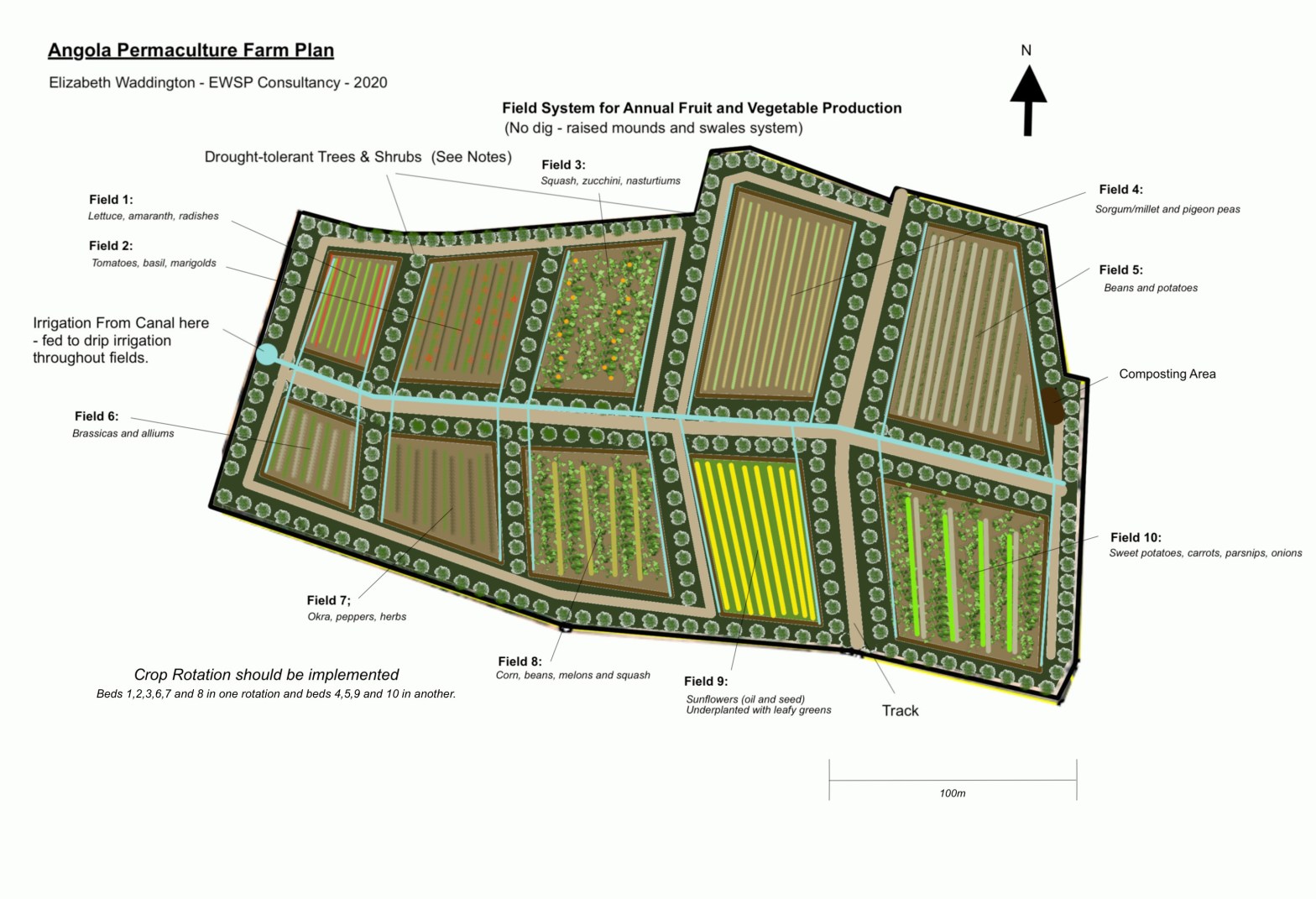
This design is for a plot along the Kikuxi irrigation canal in the Luanda region of Angola. The client requested a plan that would allow the site to be used for the production of a range of organic fruits and vegetables. The site lies on 75m above sea level The prevailing climate in Luanda isContinue reading “Case Study: Angola Field System”
The Benefits of a Mixed Hedgerow
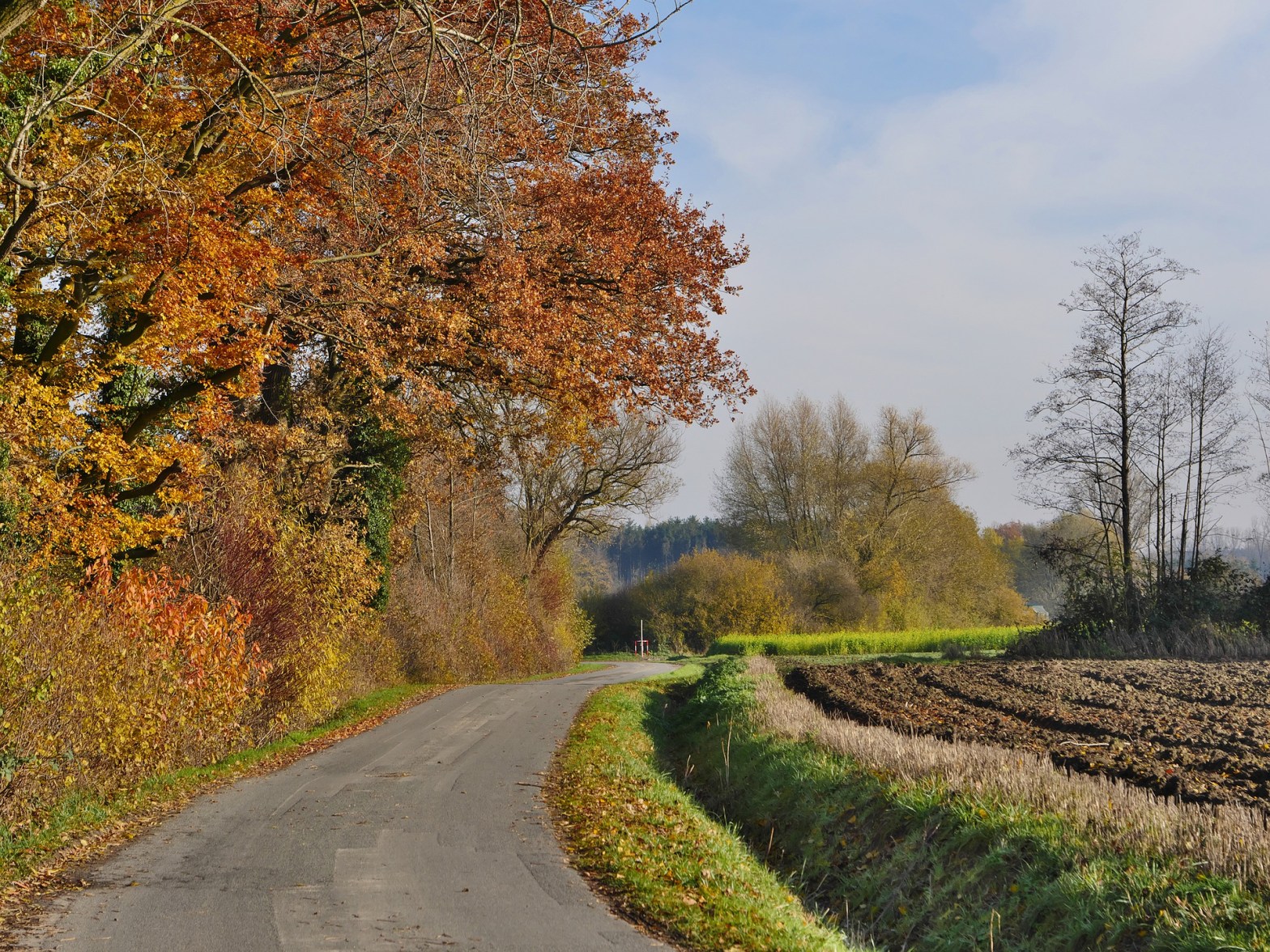
Hedgerows are a common feature of UK landscapes, but less familiar in other regions. There is a huge difference between a wild and diverse hedgerow and the mono-crop hedges that are more common in suburban and urban settings. There are a huge range of reasons why incorporating mixed hedgerows in agricultural or garden settings isContinue reading “The Benefits of a Mixed Hedgerow”
Identifying Flows and Pathways
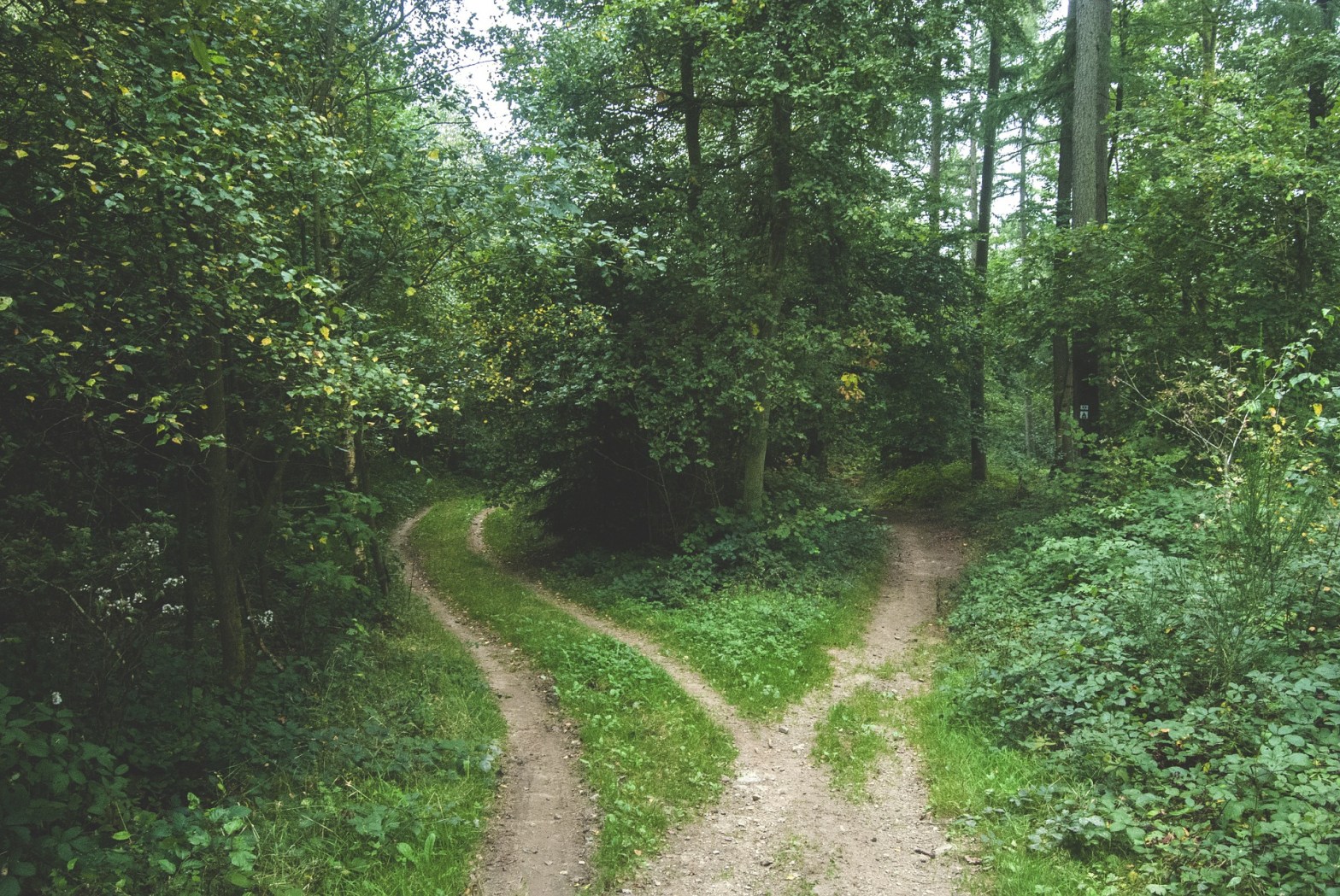
Patterns are important in permaculture. Whether we are talking about landscapes, gardens, homes, communities or broader societal systems, it is important to look at patterns in the big picture. Of course, there is an important permaculture principle that we design from patterns to details. We take a holistic, big-picture view before we delve into theContinue reading “Identifying Flows and Pathways”
Embracing Uncertainty

As a permaculture designer, I am often asked to bring order to ideas, and come up with plans designed to keep chaos at bay. By implementing the principles of permaculture design, we can bring a certain order to systems and make sure that they meet the central ethics and sore ideals of the movement. ButContinue reading “Embracing Uncertainty”
Vote With Permaculture Ethics in Mind

Obviously I am not in the US. I am Scottish and live in Scotland. But today, as US citizens who have not already cast their votes head to the polls. I am minded to make mention of something that is very important to me personally, and to us all. Often, we get mired down inContinue reading “Vote With Permaculture Ethics in Mind”
The Amazing World of Earth Worms
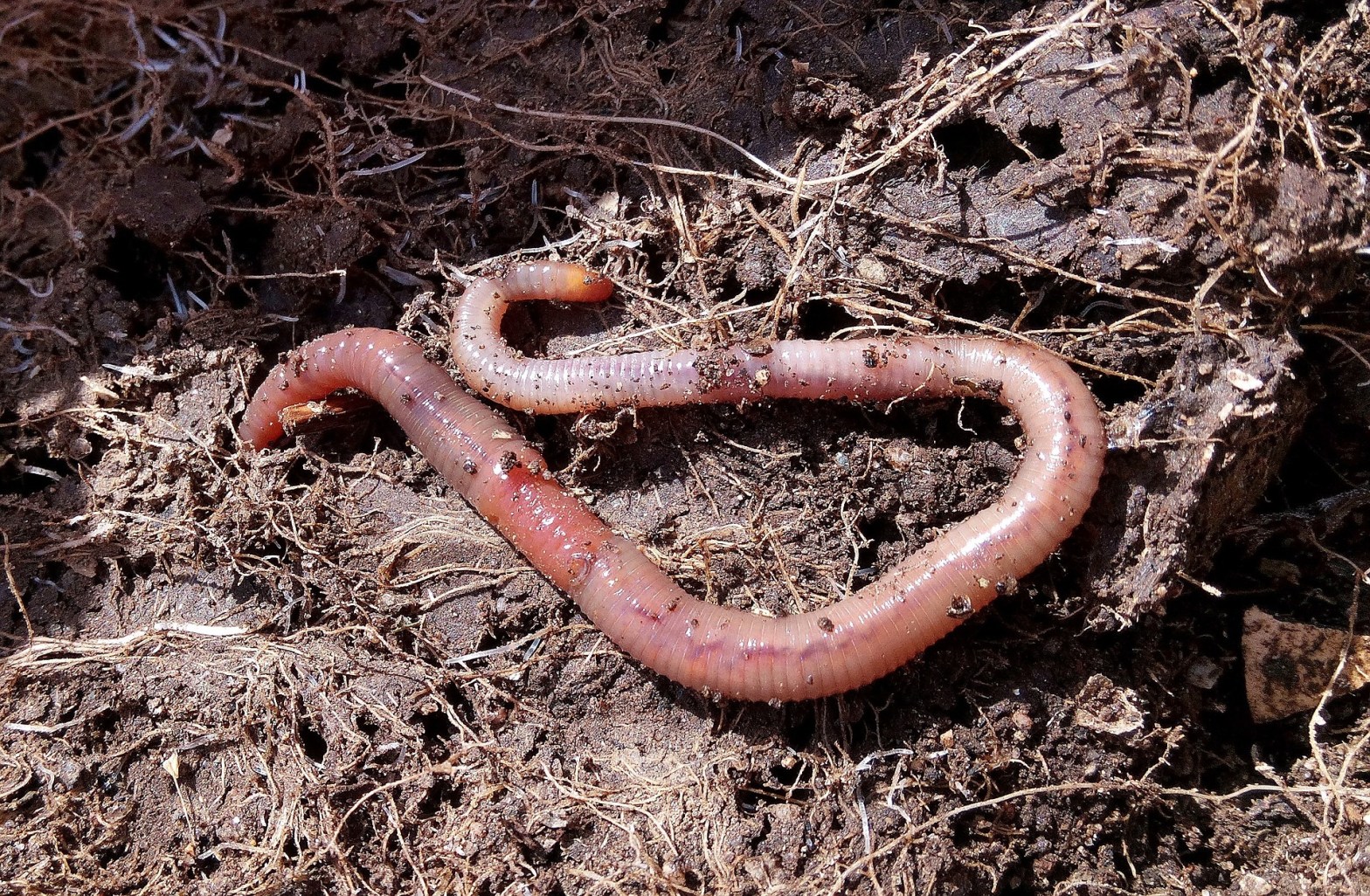
Often, we forget just what a teeming world exists below the soil in our gardens. No matter what sort of gardens we have, we are aided in our efforts by a wide range of creatures. Earth worms are one of our most valuable garden helpers. But they are a humble creature that we often overlook.Continue reading “The Amazing World of Earth Worms”
Connect and Thrive

Everything in nature is connected. While we, as humans, often have a tendency to compartmentalise, permaculture involves seeing everything holistically. We must understand the connections between elements in every system, and use and value diversity. We must recognise natural interactions and use them to our advantage. When we connect – both to other people andContinue reading “Connect and Thrive”
Case Study: Terraced Site
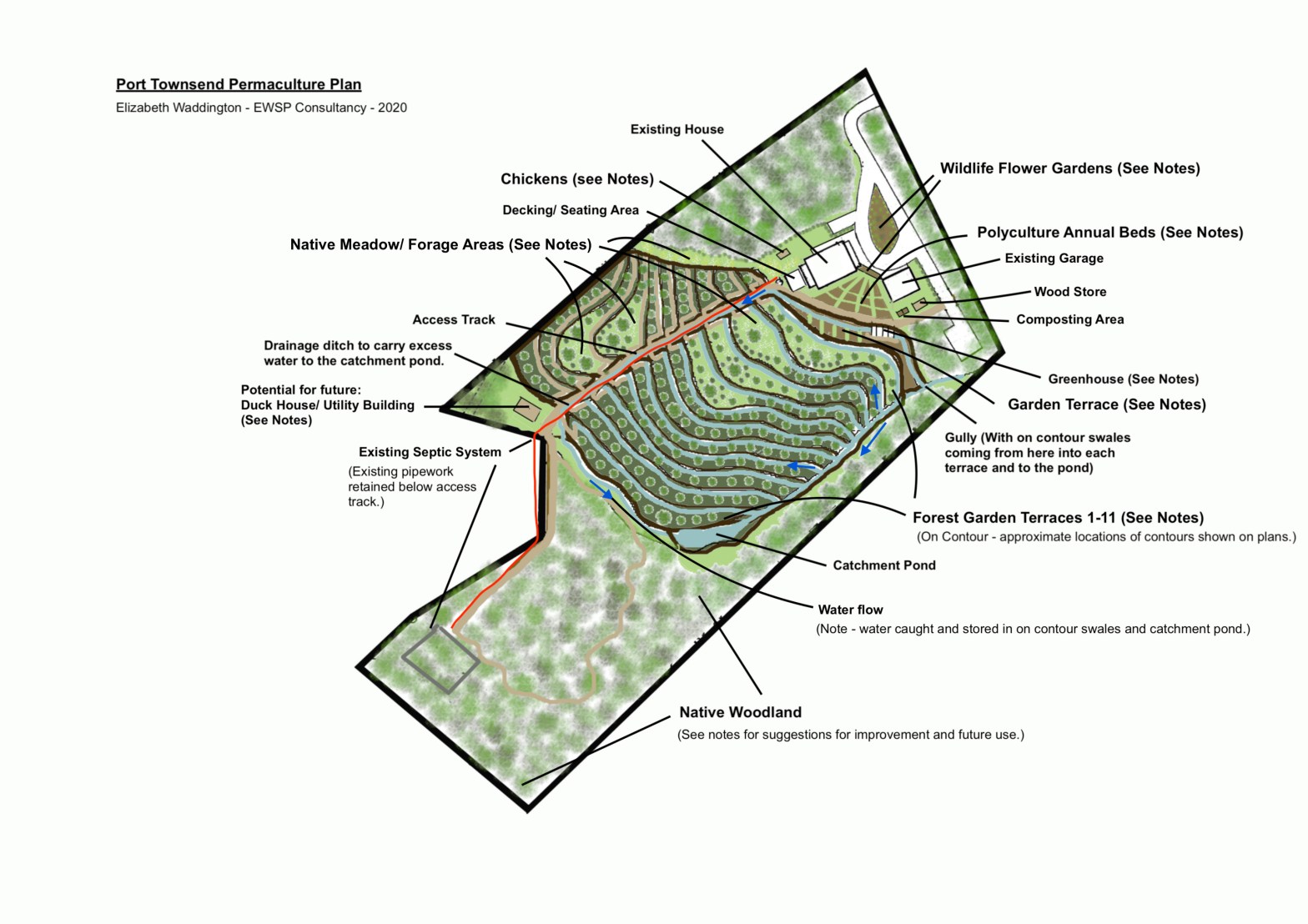
This plan is for a domestic property in Port Townsend, Washington. The Site The property is in USDA planting zone 8b. The frost-free period is typically 225-250 days. The area typically has lower precipitation than is usual for the state. There are typically around 21 inches per year of rainfall, and 2.1 inches of snow.Continue reading “Case Study: Terraced Site”
Planting for Soil Stabilisation on a Slope

Yesterday, I mentioned swales and terracing for water control. These landscape features often used in permaculture design manage water flow. By preventing water run-off, they can also aid in reducing erosion. But in addition to these earthworks, soil stabilisation on a slope also involves thinking carefully about planting. In permaculture, earthworks and planting cannot beContinue reading “Planting for Soil Stabilisation on a Slope”
 EWSP Consultancy