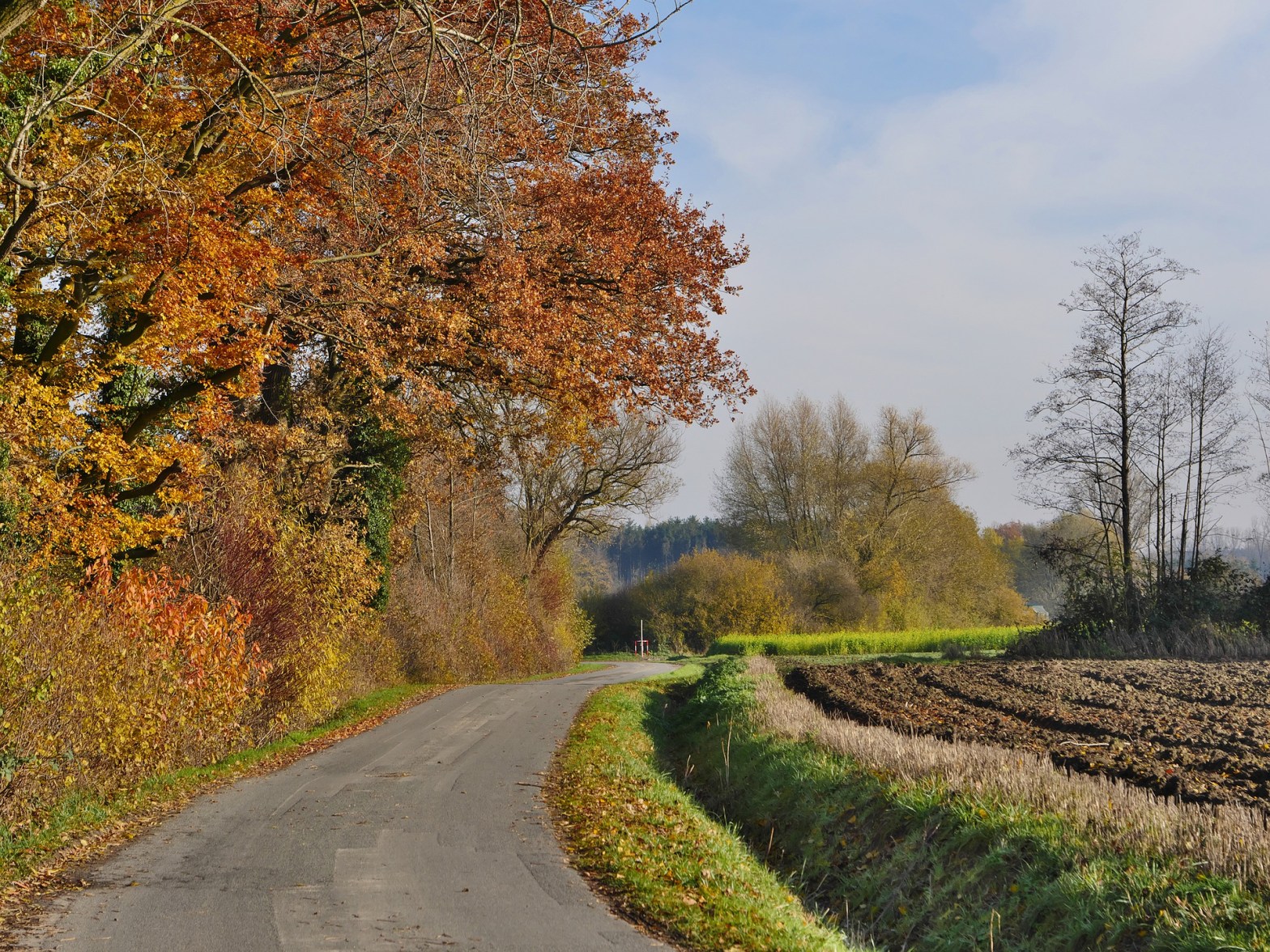
Hedgerows are a common feature of UK landscapes, but less familiar in other regions. There is a huge difference between a wild and diverse hedgerow and the mono-crop hedges that are more common in suburban and urban settings. There are a huge range of reasons why incorporating mixed hedgerows in agricultural or garden settings isContinue reading “The Benefits of a Mixed Hedgerow”
Tag Archives: permaculture
Identifying Flows and Pathways

Patterns are important in permaculture. Whether we are talking about landscapes, gardens, homes, communities or broader societal systems, it is important to look at patterns in the big picture. Of course, there is an important permaculture principle that we design from patterns to details. We take a holistic, big-picture view before we delve into theContinue reading “Identifying Flows and Pathways”
Embracing Uncertainty

As a permaculture designer, I am often asked to bring order to ideas, and come up with plans designed to keep chaos at bay. By implementing the principles of permaculture design, we can bring a certain order to systems and make sure that they meet the central ethics and sore ideals of the movement. ButContinue reading “Embracing Uncertainty”
Vote With Permaculture Ethics in Mind

Obviously I am not in the US. I am Scottish and live in Scotland. But today, as US citizens who have not already cast their votes head to the polls. I am minded to make mention of something that is very important to me personally, and to us all. Often, we get mired down inContinue reading “Vote With Permaculture Ethics in Mind”
Case Study: Terraced Site
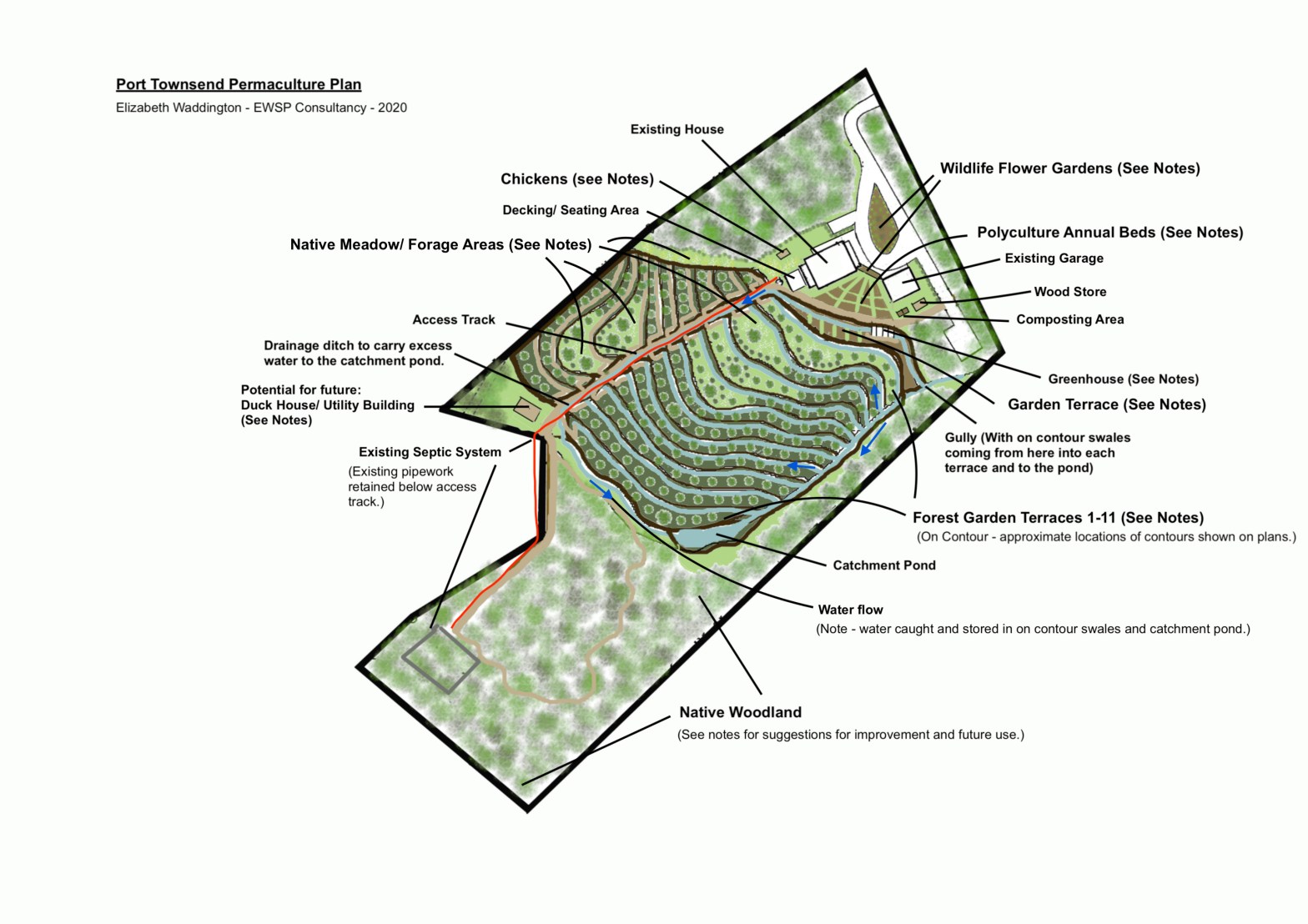
This plan is for a domestic property in Port Townsend, Washington. The Site The property is in USDA planting zone 8b. The frost-free period is typically 225-250 days. The area typically has lower precipitation than is usual for the state. There are typically around 21 inches per year of rainfall, and 2.1 inches of snow.Continue reading “Case Study: Terraced Site”
Planting for Soil Stabilisation on a Slope

Yesterday, I mentioned swales and terracing for water control. These landscape features often used in permaculture design manage water flow. By preventing water run-off, they can also aid in reducing erosion. But in addition to these earthworks, soil stabilisation on a slope also involves thinking carefully about planting. In permaculture, earthworks and planting cannot beContinue reading “Planting for Soil Stabilisation on a Slope”
Managing Water Flow in Permaculture Design

In permaculture, one of the basic design principles is use and value renewable resources. One of the most vital natural resources we have is fresh water. Permaculture approaches to all facets of life must take into account the pathways of fresh water. Those designing sustainable landscapes and food producing systems must think about how freshContinue reading “Managing Water Flow in Permaculture Design”
Tips for an Existing Community Garden
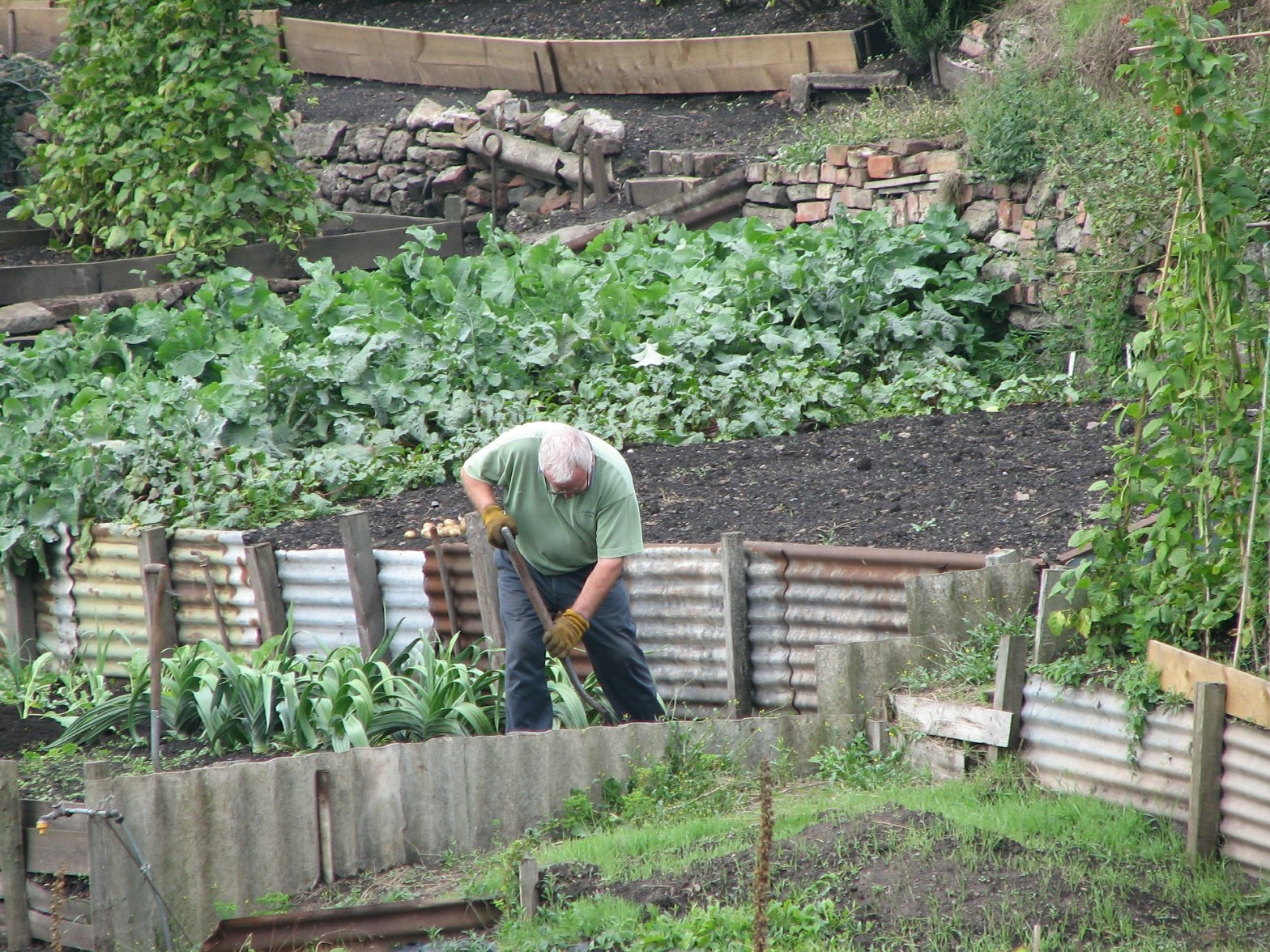
Inspired by a recent outreach, I thought I would take some time to talk a little about community gardens. Community gardens are a wonderful thing. Whether they are on public land, brown field sites, local authority spaces, school playgrounds, beside a church, or other community space, they can make a big difference in a community.Continue reading “Tips for an Existing Community Garden”
Case Study: Washington Garden
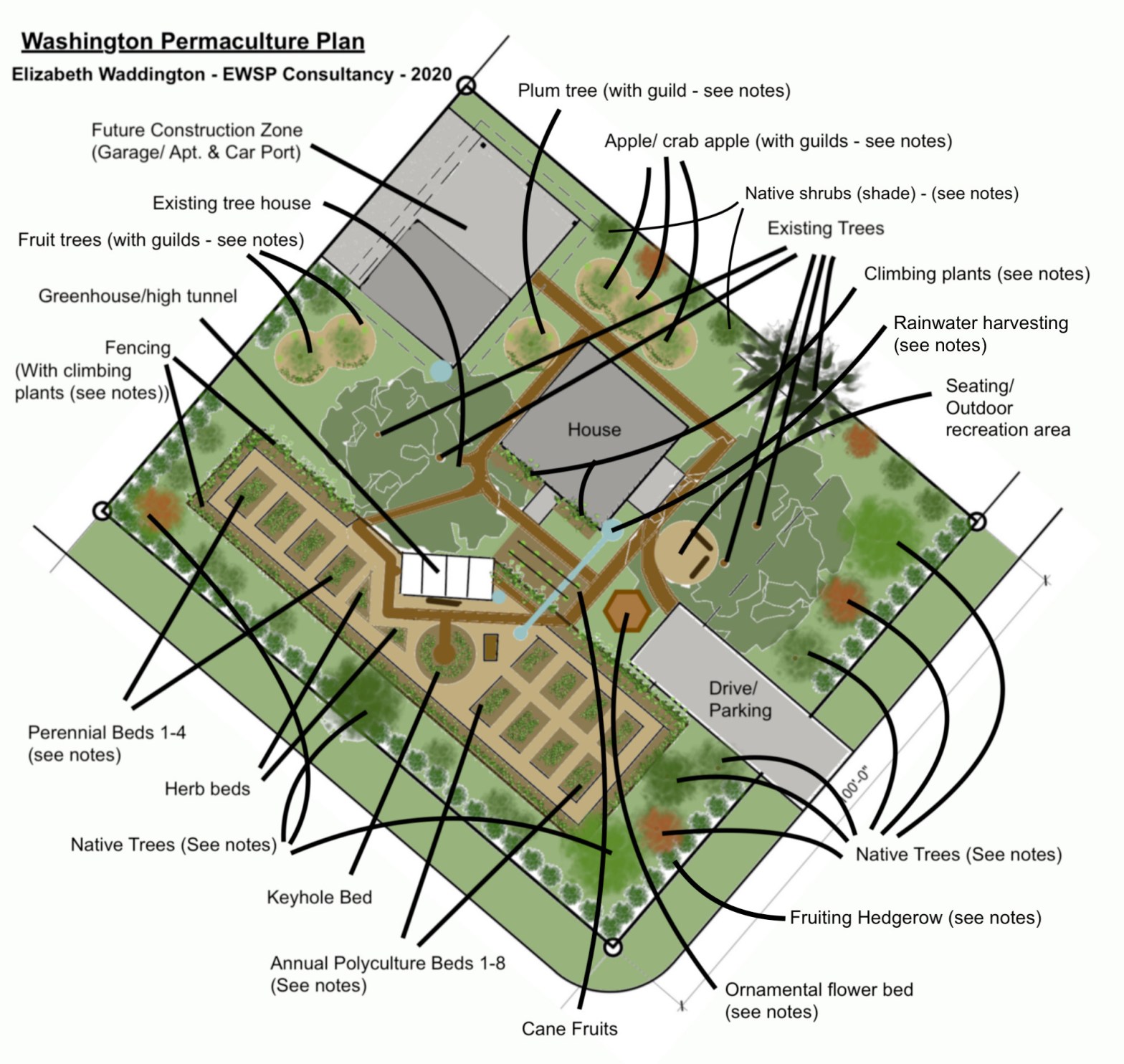
The site is a domestic garden in the state of Washington. The property currently has a cabin, and several mature trees, which will be retained. Though is largely grassy, open and relatively exposed. There are plans for future construction – initially a garage and apartment, and car port. In the longer term future, there areContinue reading “Case Study: Washington Garden”
Using Living Mulch

Mulching is an important thing in an organic garden. It is crucial for protecting the soil, retaining moisture and suppressing weeds. It can also be beneficial in other ways, such as providing habitat and shelter for soil life and other wildlife. Many people are familiar with mulches such as compost, well-rotted manures, straw, wood chipContinue reading “Using Living Mulch”
 EWSP Consultancy