
In the northern hemisphere, the summer solstice marks a moment of profound significance — the sun reaches its highest point in the sky, and we enjoy the longest day of the year. For millennia, people have celebrated this turning point, recognising it as a time of abundance, growth, and potential.
But beyond its cultural and spiritual importance, the solstice offers an invitation to reflect on how we design our spaces — and our lives — in harmony with the rhythms of the natural world.
This summer solstice, it could be time to turn your attention to the sun once more, and consider a new plan to harness its power and light on your property. If you would like some assistance to come up with a plan for your garden, please do get in touch.
Ancient Wisdom: Design Aligning with the Sun
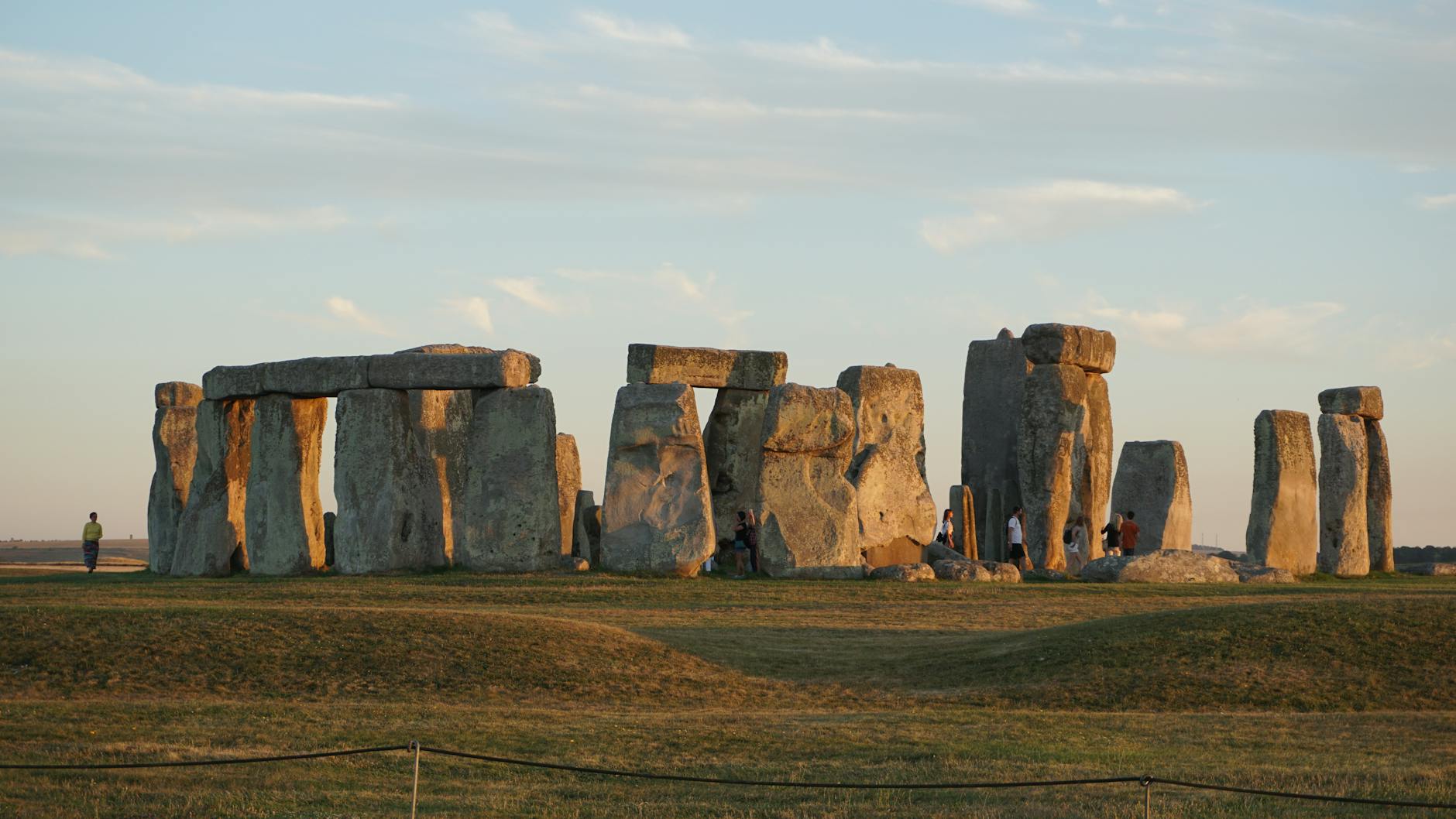
Our ancestors were astute observers of the sky. From the stone circles of Britain to the pyramids of Egypt, ancient structures were often aligned with solar events, not least the summer solstice. Stonehenge, perhaps the most iconic of these, is famously aligned so that the rising sun on the solstice morning shines directly into the heart of the monument. Such alignments were not accidental — they reflect a deep understanding of the sun’s annual journey and its power to shape both landscape and life.
These ancient designs remind us that human settlements were once intimately attuned to the solar cycle. Buildings, fields, and sacred sites were positioned with care to honour and utilise the sun’s light and warmth.
In a time before modern energy systems, such design was not a luxury, but a necessity. Today, as we seek to reduce our dependence on fossil fuels and move towards regenerative living, we have much to relearn from these ancient patterns.
Considering Sunlight in Permaculture Design

In the permaculture tradition, the principle of working with nature rather than against it is key. The summer solstice, with its abundance of light, invites us to consider how we can design spaces that capture and make the most of this energy.
Passive solar design is one such approach. By understanding the sun’s path at solstice and through the year, we can position windows, shading, thermal mass, and living elements so that our homes and buildings stay comfortable naturally.
Today’s technologies offer new ways to harness the solstice sun’s power. Solar panels, of course, reach peak productivity in the long days of summer. Thoughtfully integrating photovoltaic arrays into building design — considering angles, orientation, and shading — can significantly boost energy resilience. But we can go further. Solar ovens, dehydrators, and even simple line-drying of laundry are all ways of making use of the sun’s abundant energy at this time of year.
Community design can also benefit. Shared gardens, allotments, and public spaces that are planned with solar patterns in mind can foster greater well-being and sustainability. As we face the challenges of climate change, designing with the sun’s patterns in mind can be a small but meaningful step towards living more lightly on the Earth.
In the garden, the solstice marks a peak in growth — a time when plants stretch towards the light with vigour. When designing edible landscapes or wildlife-friendly gardens, it’s useful to consider how the sun’s highest arc affects microclimates within our plots.
Sun-loving crops such as tomatoes, peppers, and squashes can be positioned where they’ll receive maximum light on this longest day and through the high summer. Meanwhile, shade-tolerant species or those prone to bolting, such as lettuces and coriander, can be planted where taller plants or structures cast welcome shade during the heat of the day.
Structures such as trellises, greenhouses, and cold frames can also be designed with the solstice sun in mind. A greenhouse, for example, oriented to capture the morning light but protected from harsh afternoon sun, can extend the growing season without overheating during the height of summer.
And let’s not forget water — in dry years, the intense solstice sun can leave the land parched. Designing earthworks like swales, ponds, or rain gardens to catch and hold precious water helps ensure that abundance lasts long beyond midsummer’s peak.
Celebrating and Connecting

Designing for the summer solstice isn’t only about practical considerations; it’s also about creating spaces that help us reconnect with natural cycles. In a world increasingly divorced from seasonal change, marking the solstice can ground us and remind us of our place within the web of life.
Consider creating a solstice gathering space in your garden — a circle of stones, a fire pit, or simply a quiet nook where you can watch the sunrise or sunset on this special day. These spaces don’t need to be grand or expensive. Even a few carefully placed logs or benches aligned with the solstice sun can create a focal point for reflection and celebration.
This solstice, I invite you to pause, observe the sun’s path, and consider: how might you design differently if you were to work more closely with its light? In doing so, we honour ancient wisdom, embrace natural abundance, and move towards a future rooted in harmony with this planet we call home.
 EWSP Consultancy