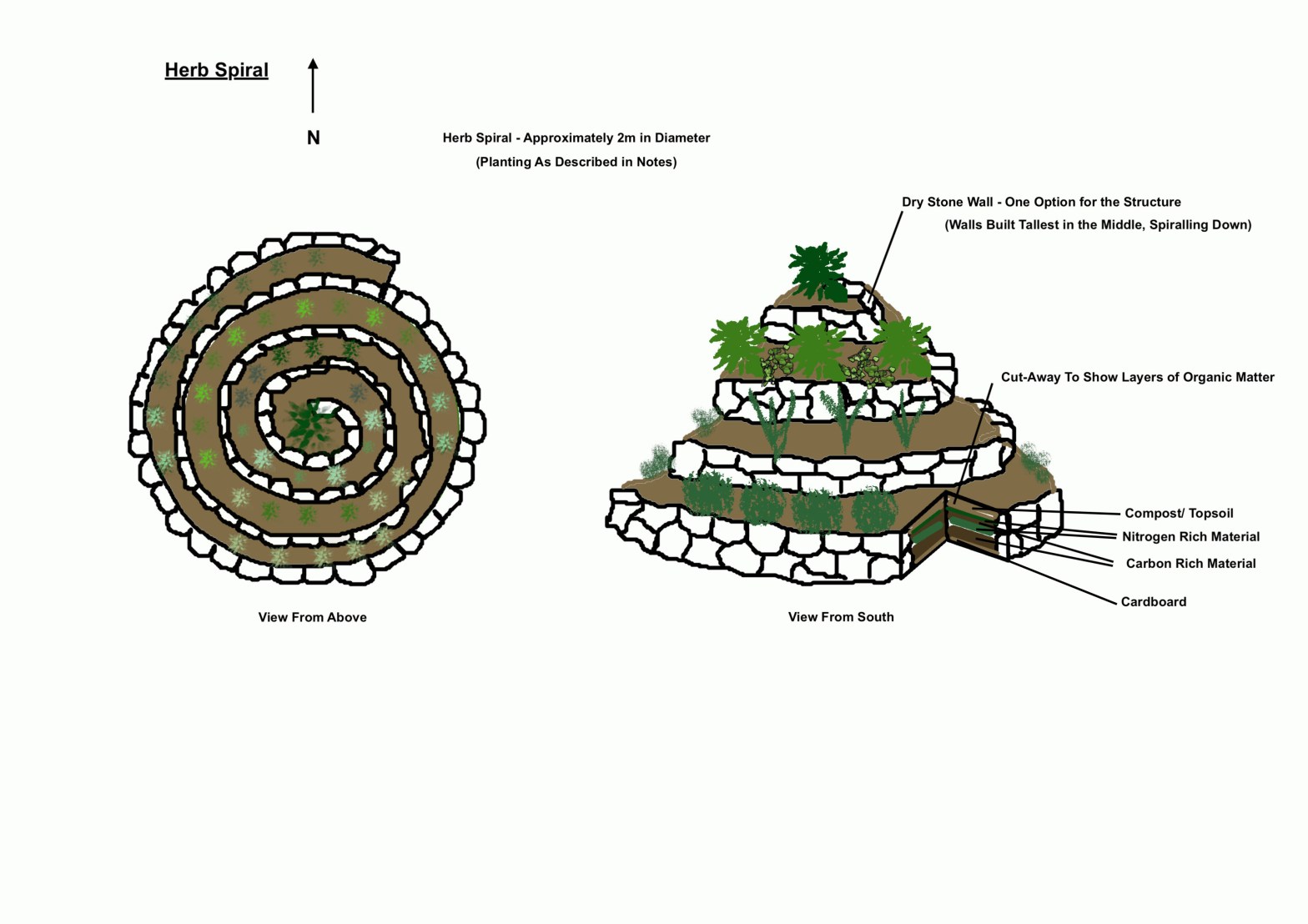
If you are familiar with my writing and designs, you will likely also be familiar with the concept of a herb spiral. This idea, extremely popular in permaculture circles, involves creating a pyramidal, spiral-form raised bed to grow a range of herbs that like different growing conditions in a relatively small area.
However, the potential of spiral gardens extends far beyond just herbs. In this post, I’ll explore how we can take this idea further, stretching our imaginations and adapting this good idea for our own specific locations and needs.
Why Spirals?
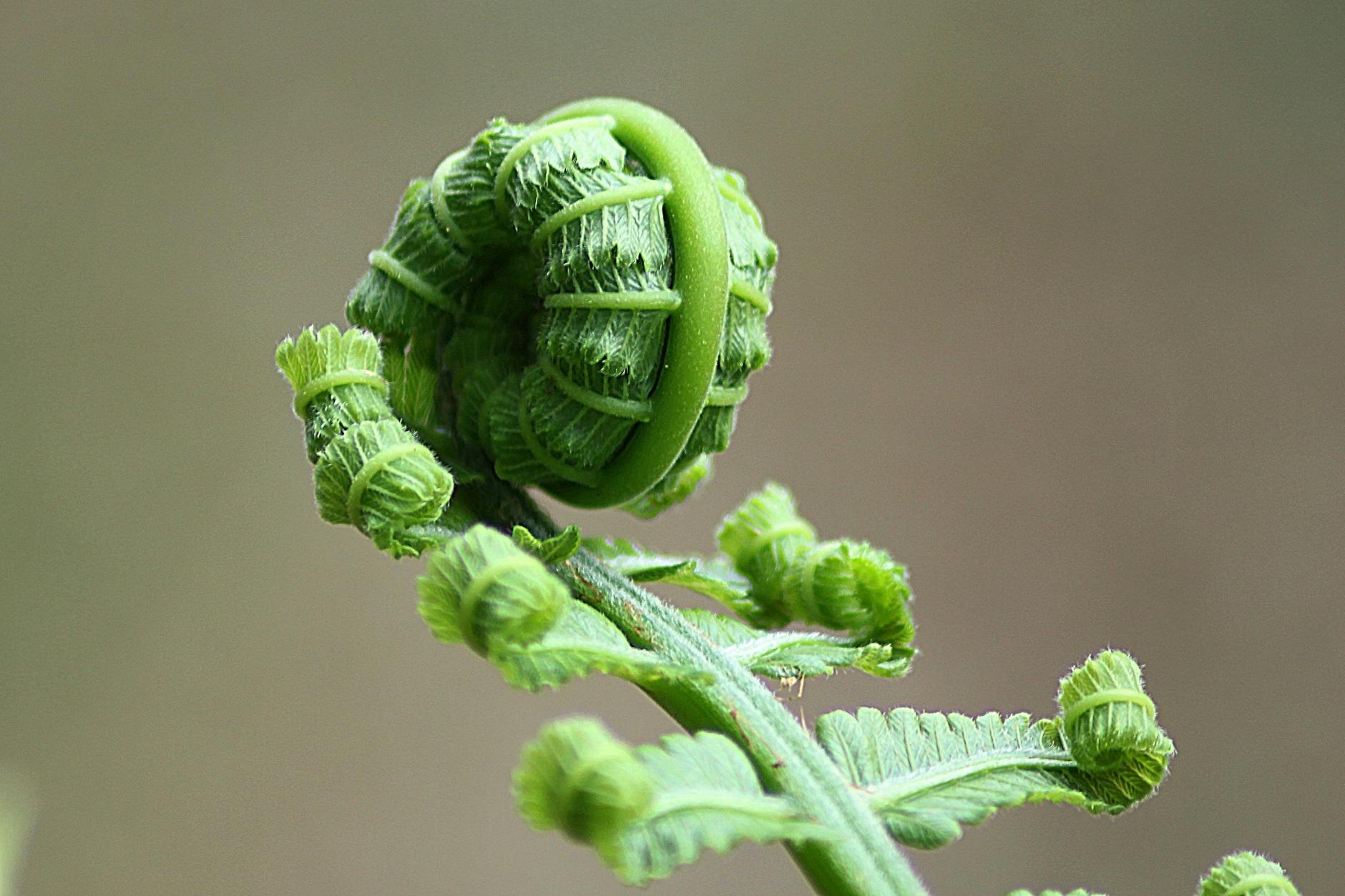
The spiral is one of nature’s most efficient and beautiful forms, appearing in everything from galaxies to seashells and plant growth patterns.
In permaculture, spirals are valued for their ability to:
- maximise space and edge.
- create diverse microclimates.
- facilitate natural water flow and soil stability.
- enhance a space through their aesthetic appeal
- support sustainability by mimicking natural ecosystems.
In permaculture design, we often talk about working from patterns to details. a spiral is one of the natural patterns we can observe and use in designs that we create. Making spiral form beds or growing areas is one way to do that, and arguably, one of the most common and best known.
The Basics of a Spiral Garden

A spiral garden typically starts with a central high point, from which the bed winds downward in a continuous curve. This structure allows different plants to thrive by offering a range of different levels of sun exposure and moisture within a compact space.
The north side of the spiral mound, in the northern hemisphere, will be shaded, while the southern side will get the most sun. (Of course, the reverse is true in the southern hemisphere.)
The top of the mound will be driest and most free-draining, while the bottom, on the northern side, is where the most moisture will be retained.
As long as you remember these basic characteristics, you should then be able to start matching plants with the environmental conditions different part of your spiral garden provide.
Expanding a Basic Herb Garden

Most herb spirals are filled with traditional culinary herbs – rosemary at the top, other Mediterranean herbs like oregano and thyme high on the spiral, basil on the southern side to get the sun, a little lower down for consistent moisture, and parsley where it can get more moisture and some shade, at the base.
But we can include many other herbs, far beyond the basics, when creating a herb-filled spiral form garden. We can include a huge range of native and non-native herbs with culinary and medicinal applications. We might also grow herbs to clean ourselves and our homes, for natural dyes, crafting and more…
Since we can provide a range of different environmental conditions in a spiral bed, this opens up a whole range of options when it comes to which herbs you grow.
What Else To Grow in a Spiral Form Garden
By increasing the biodiversity within a spiral garden, and perhaps also its size, you can potentially incorporate far more than just herbs.
Adding vegetables, fruiting shrubs, other medicinal plants, pollinator-friendly flowers, and/or even small trees, you may be able to transform a simple herb spiral into a dynamic, multi-functional garden space. As the ecological complexity grows, so too should the number of beneficial interactions.
Expanding the Spiral
A single, small spiral can be just the beginning. We can also consider expanding that one spiral outwards, creating much larger garden spaces, and we can also expand into into multiple interconnected spirals to allow for greater planting diversity and design creativity.
Ascending Spiral Garden Paths
If the edges of the spiral form bed become a pathway for climbing the spiral mound, this suddenly allows us to make the spiral form much larger if we wish, since the whole of the growing area will still be accessible.
As long as we can still reach all the growing area from pathways, we can make a spiral garden as large as we like. This expands the number of species that we might be able to include within it.
The materials we choose for our structure and pathways can also further alter the micro-climate conditions we can create.
Ponds and Wetlands at a Spiral’s Base
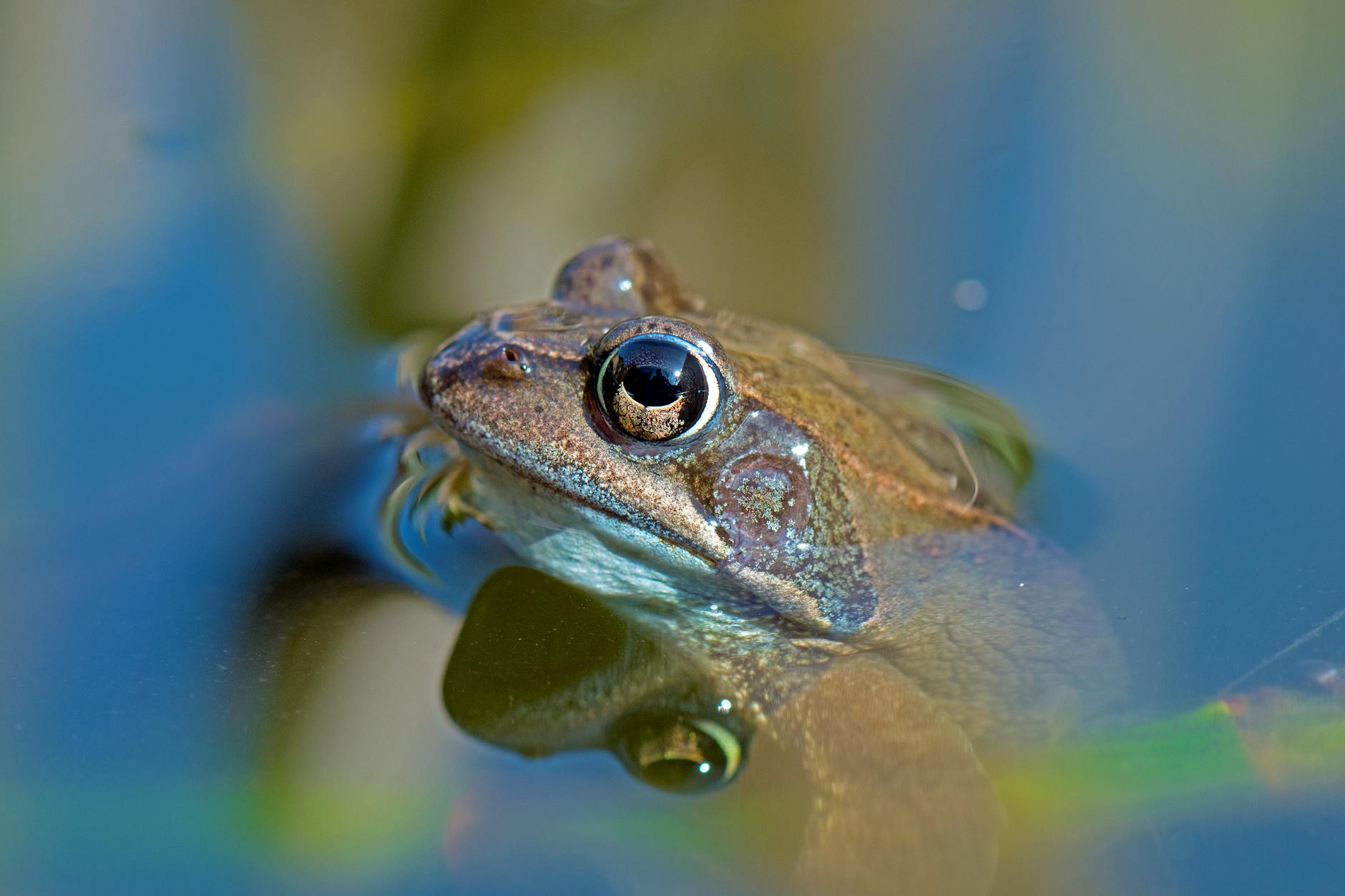
On the shaded, northern side of a spiral garden, were water lingers longest, we might also lean into this and further increase biodiversity by creating an adjoining pond or wetland area. Such an area might also catch natural runoff from the mound. This will not only be wonderful for wildlife but can also dramatically increase the number of interesting and useful plants you can grow.
You might even consider adding a hibernaculum for creatures visiting the pond in the base of the spiral garden. (A hibernaculum is an underground or earth-sheltered area where a range of creatures may spend the winter months.)
At The Heart of the Spiral: Elevated Seating Areas and More
The centre of a large spiral garden offers an ideal space for seating, observation, or even a small greenhouse, gazebo, or trellis structure. Whether it’s a simple bench, a meditation space, or an outdoor classroom, an elevated centre spot allows for reflection and enjoyment of the plants all around.
Building Within a Spiral Mound
Building the spiral itself, consider that this might become a larger project. A composting system into a centre of the mound, like a keyhole bed, is one simple idea. You might also consider building in the foundations for a trellis structure or some other form of support as you make the ascending spiral form.
If you are feeling more ambitious, a large spiral mound might even be build around an garden building – even a mound-form cob, adobe or earth bag home! A structure might also have a spiral form bed on top, forming the roof, or part thereof.
Spiral gardens offer us all an opportunity to blend beauty, function, and sustainability in an innovative and efficient design. When thinking about gardens inspired by spirals, we can go much further than a little herb spiral. If you are intrigued and would like to explore how you might create a spiral garden where you live, please let me know.
 EWSP Consultancy