A forest garden should do more than grow food. It should also reduce your workload over time while improving the land. In this guide, we break down the key forest garden design goals that create a low-maintenance, high-function system built for long-term resilience.
As a designer, I focus on two core outcomes when designing forest gardens:
- Low maintenance (a system that doesn’t depend on constant labour)
- High ecological function (a system that improves soil, water, biodiversity, and long-term resilience)
If you’re planning a backyard forest garden, a homestead food forest, or a larger regenerative planting system, these design goals will keep you on track — and help you avoid the common mistakes that lead to overcrowding, poor yields, and ongoing maintenance problems.
What “Low Maintenance” Really Means in a Forest Garden
Let’s be clear: low maintenance does not mean no maintenance.
It means you do the work up front through good design, and the system takes over more of the effort as it matures.
In many conventional gardens, you are stuck in a cycle of: digging and re-digging beds, pulling weeds every week, watering constantly in hot weather, feeding plants with imported compost and fertilisers, and replanting when crops fail.
A well-designed forest garden shifts that cycle into something more sustainable: soil stays covered and protected, fertility is built on-site, perennials return each season, water is held in the landscape, and weeds reduce as shade and groundcover increase.
Low maintenance is not about doing less so much as it is about building a system that is better at taking care of itself.
What “High Ecological Function” Means (And Why It Matters)
High ecological function means your forest garden is doing real environmental work — even when you’re not actively managing it.
A high-function forest garden supports natural processes like: nutrient cycling, soil building, water infiltration and retention, pollination, pest balance through biodiversity, and microclimate creation (cooling, shade, wind buffering and more…).
This is important because ecological function is what creates resilience.
When ecological function is low, you’ll see: stressed plants, repeated pest problems, soil that dries out quickly, and poor growth even when you “add inputs”.
When ecological function is high, the system becomes more self-regulating: plants are stronger, soil stays moist longer, pest outbreaks reduce and yields become more reliable.
When we design a forest garden for ecological function, resilient productivity is the result.
1) Build Soil Fertility Naturally (Don’t Rely on Inputs)
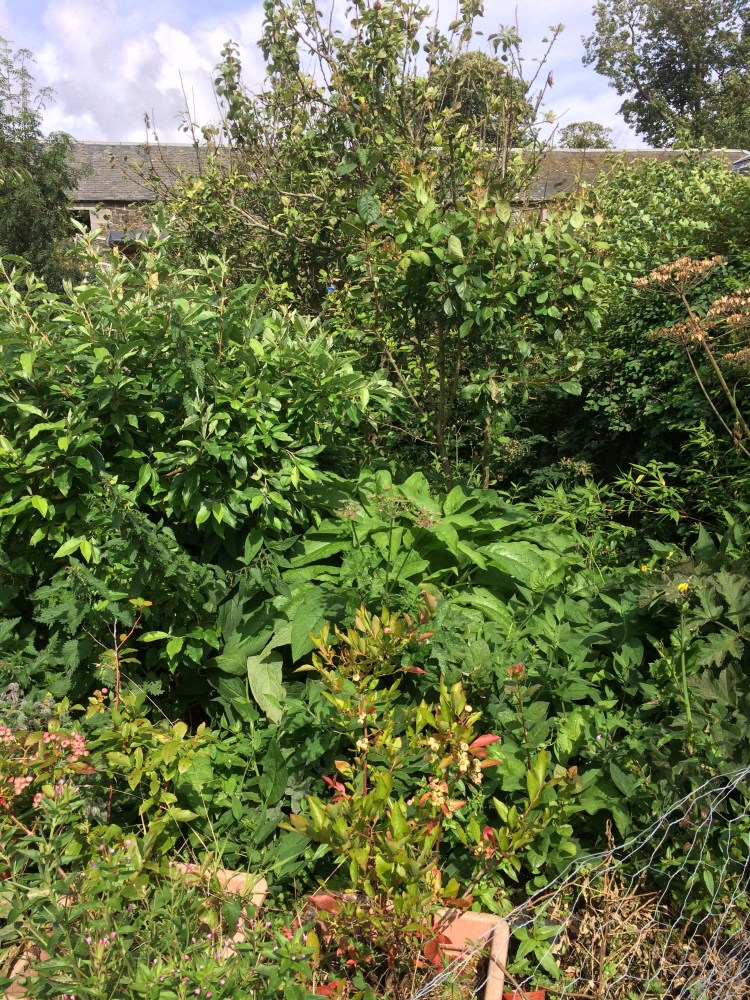
A forest garden must build soil fertility as it grows, rather than depending on constant outside inputs. If you have to keep buying compost, fertiliser, or soil amendments just to maintain plant health, the system isn’t functioning properly yet.
The goal is to create living soil that improves each season through mulch breakdown, root activity, microbial life, and natural nutrient cycling. When you focus on soil first, everything else becomes easier: plants grow stronger, water retention improves, and pest pressure reduces because the whole system is healthier.
2) Keep Soil Covered 100% of the Time
One of the fastest ways to reduce maintenance in a forest garden is to keep the soil covered at all times. Bare soil invites weeds, dries out quickly, loses nutrients through runoff, and overheats in strong sun.
In nature, soil is protected by leaf litter, plant cover, and organic matter — and forest gardening works best when we follow that same pattern.
Whether you use thick mulch, living groundcovers, or both, the aim is to protect the soil surface continuously so the garden can stabilise and improve without you constantly fighting weeds and moisture loss.
3) Reduce Watering Over Time Through Design
A properly designed forest garden should need less watering as it matures, not more. In the establishment stage, young trees and shrubs may require regular support, but your long-term plan should be to build a system that holds water naturally.
This happens through increased soil organic matter, deeper root systems, improved soil structure, and shade that reduces evaporation.
When you also shape the land to slow, spread, and sink rainfall — using simple basins, contour planting, or other water-harvesting strategies, you create a garden that becomes more resilient in dry periods and less dependent on daily irrigation.
4) Stack Layers for Maximum Productivity and Stronger Ecology
Forest gardens are productive because they use space vertically, not just across the ground. Instead of growing one crop per area, you design a layered system where trees, shrubs, herbs, groundcovers, and climbers can all contribute yields and ecological benefits in the same space.
This layering increases total output while also creating habitat, reducing weed pressure through shade, and building a healthier microclimate. When layers are planned properly, the forest garden becomes more stable and more efficient, producing food and supporting biodiversity without needing constant reworking each season.
5) Prioritise Perennials for Stability and Low Maintenance
A low-maintenance forest garden relies mainly on perennials because they create long-term structure and reduce repeated work. Annual crops can be useful, but they usually require ongoing soil disturbance, replanting, and higher watering demands.
Perennial plants return year after year, develop stronger root systems, and contribute to soil building rather than exhausting it. By prioritising fruit trees, shrubs, perennial greens, and long-lived herbs, you create a system that becomes easier to manage over time and more reliable in its yields, especially when weather patterns become unpredictable.
6) Make Access Easy (Design for Humans Too)
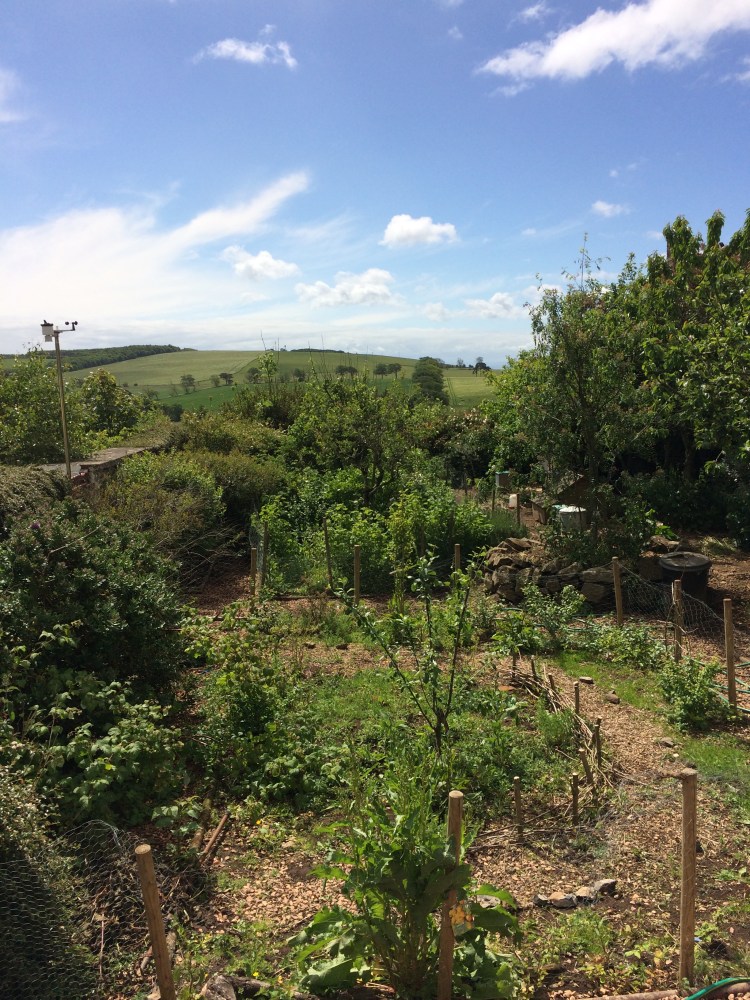
A forest garden can become difficult to manage if it is designed without access in mind. Many people plant too densely, forget about pathways, and later struggle to harvest, prune, or maintain the system properly.
Low maintenance depends on good layout: clear walking routes, enough spacing for airflow, and practical placement of frequently harvested plants near where you actually spend time. If you can reach your plants easily, you will manage them consistently, harvest more food, and notice problems early before they become expensive or time-consuming to fix.
7) Plan for Succession as the System Matures
Forest gardens change as they grow, and good design accounts for that from the start. In the early stages, there is more sunlight, more exposure, and often more weed pressure because the system is still open.
As trees establish and the canopy begins to form, shade increases, humidity changes, and the growing conditions shift significantly. Planning for succession means choosing plants that fit each stage of the system, using fast-growing support plants early on, and introducing shade-tolerant species later when conditions are right.
This prevents overcrowding and helps the garden evolve smoothly rather than becoming unproductive or chaotic.
Quick Checklist: Is Your Forest Garden Low-Maintenance and High-Function?
Use this simple checklist to review your design:
✅ Does the system build soil every year?
✅ Is the soil covered everywhere (mulch or living plants)?
✅ Will water needs reduce over time?
✅ Are plants layered for productivity and ecology?
✅ Is the system mostly perennial?
✅ Does each plant provide food, fertility, or function?
✅ Is biodiversity built in (not monoculture)?
✅ Are paths and access points clear?
✅ Is it designed to evolve as shade increases?
✅ Are there multiple yields beyond food?
If you can confidently say yes to most of these, your forest garden is on the right track.
Start Simple, Build Long-Term
Forest gardening is not about rushing to plant everything at once.
It’s about building a system that becomes:
- easier to manage
- more resilient
- more productive
- more beneficial to the land
If your forest garden goals are low maintenance and high ecological function, you will avoid most of the problems that make people give up — and you’ll create a space that delivers value for years.
If you want support designing a forest garden that fits your land, climate, and goals, EWSP Consultancy can help you with:
- forest garden planning and layout
- plant selection strategy
- soil and water design
- phased implementation plans
Start with strong design goals and let the system work better so you don’t have to work harder to create a beautiful, abundant and productive garden.
Request your forest garden design support today.
FAQs
What are the main goals of a forest garden?
The main goals of a forest garden are to build long-term soil fertility, reduce maintenance over time, grow food in layers, improve biodiversity, and create a resilient system that needs fewer external inputs.
How do you make a forest garden low maintenance?
You make a forest garden low maintenance by keeping the soil covered, using perennials, mulching heavily, planting groundcovers, harvesting rainwater, and choosing plants that thrive in your local climate.
What does “high ecological function” mean in permaculture?
High ecological function means the system supports natural processes like nutrient cycling, soil biology, water retention, pest balance, and habitat creation — so the garden becomes healthier and more resilient each year.
How long does it take for a forest garden to become established?
Most forest gardens begin producing within 1–3 years, but they typically become more stable and lower maintenance after 3–5 years as trees, soil life, and groundcover fully establish.
What is the best groundcover for a forest garden?
The best groundcover depends on your climate, but good forest garden groundcovers are low-growing plants that suppress weeds, protect soil, and support soil life, such as clover, sweet potato, creeping herbs, and living mulches.
 EWSP Consultancy