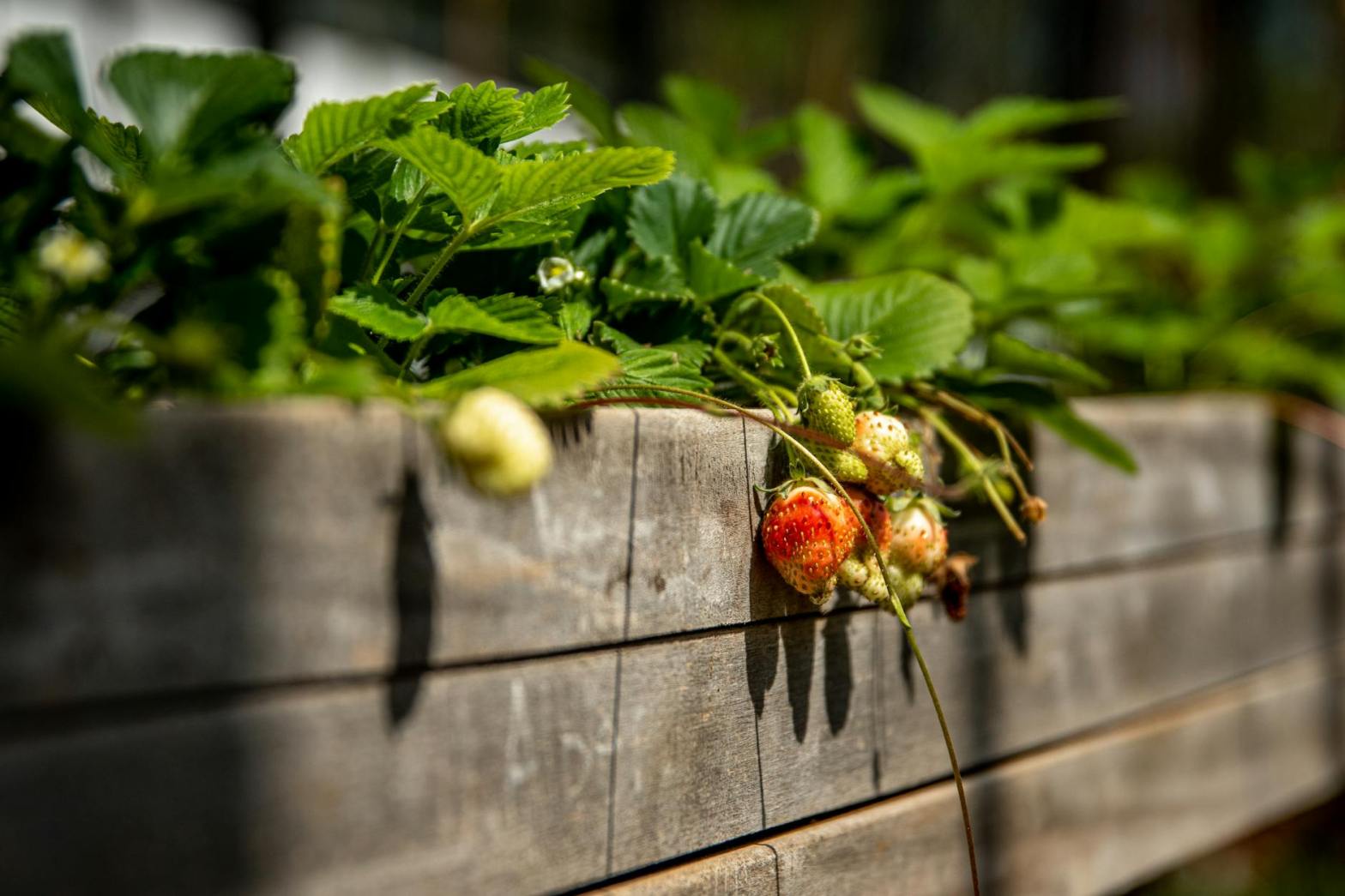
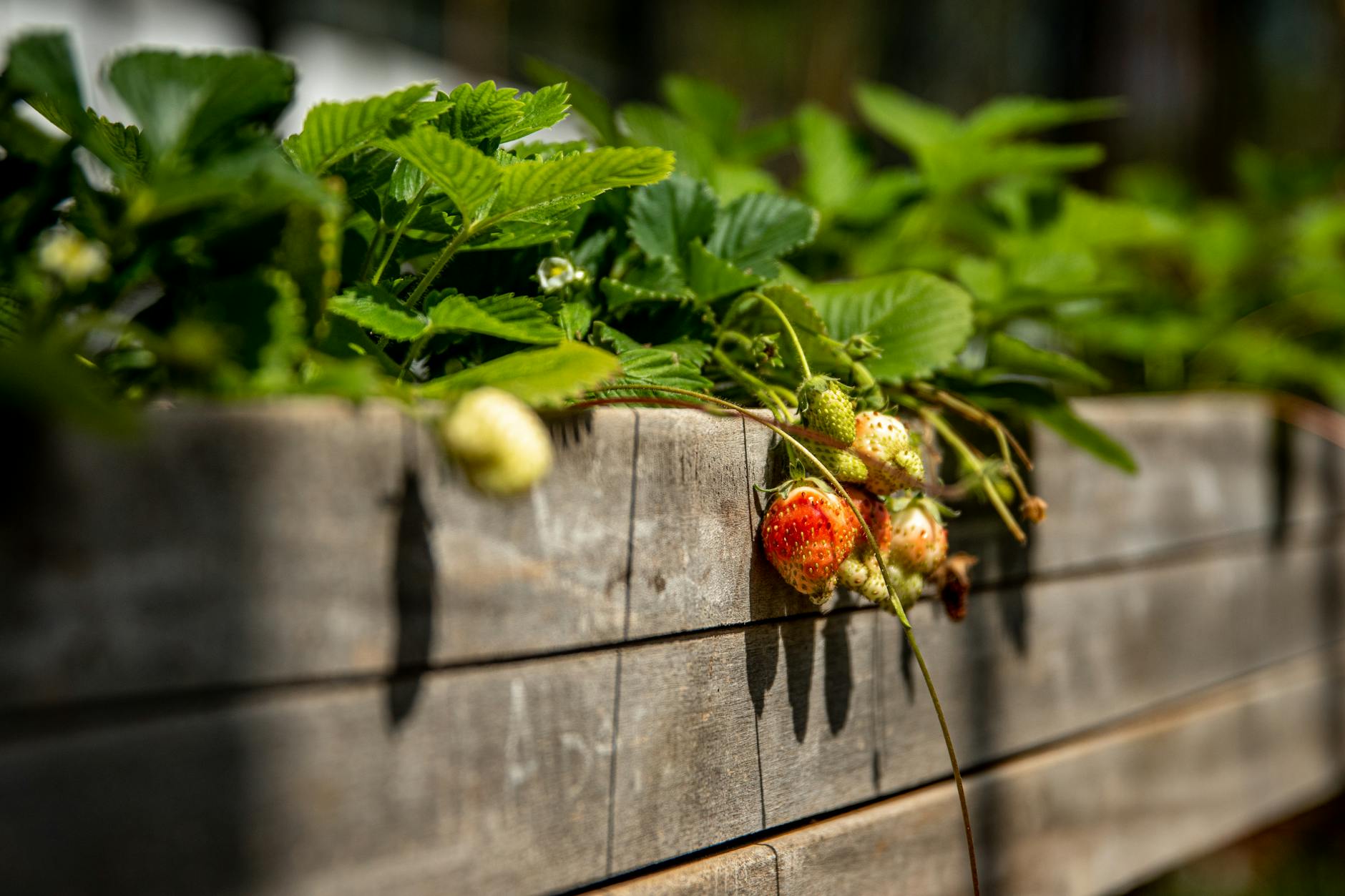
Raised beds are a common feature in many productive garden designs, and when used wisely, they can be an incredibly effective solution for growing food.
But they are not always the right choice for every space or situation. As with all elements in a permaculture design, it’s essential to assess your specific needs and context before deciding to construct one or more of them where you live.
Raised beds are a go-to for many new gardeners, but I’ve encountered many situations where a lack of proper planning led to some disappointing results and even where challenges in the garden as a whole arose due to the wrong decisions.
If you want to start your own food producing garden then raised beds can be a great place to begin. I can help you however, to integrate them properly into a holistic plan for your space. Please get in touch for specific information about precisely how I can help in your particular situation.
The Pros and Cons of Raised Beds
Pros:
- Raised beds help avoid waterlogging, particularly in heavy clay soils or areas prone to flooding.
- Soil in raised beds warms up faster in spring and cools more slowly in autumn.
- They allow you to create optimal growing conditions where native soil is poor or contaminated.
- Especially useful for people with mobility challenges, raised beds can reduce the need for bending or kneeling.
- Easier to install physical barriers against slugs, rodents, and other garden pests.
- Ideal for urban or small gardens where space and tidiness are valued.
Cons:
- Building materials and soil amendments can be expensive or environmentally intensive if not sourced sustainably.
- In hot or windy climates, raised beds can dry out more quickly.
- In fertile, well-draining soil, in-ground beds may be more efficient.
- Shallow beds may not support deep-rooted crops unless well-designed.
Creating Raised Beds for Your Climate and Conditions
As with any permaculture element, it is important to start with observation. In some areas, raised beds may need to be carefully tailored to suit the conditions – there are no solutions that will work equally well in all settings.
That is why it is so important to understand the conditions where you live and to adapt your approach to suit the situation.
In arid regions, many raised beds may require more frequent watering, making sunken beds or in-ground options more appropriate. Though in other instances, certain types of raised bed may save water.
In wetter climates like much of the UK, raised beds often provide improved soil structure and drainage – but can leave plant roots more vulnerable to the cold.
In windy areas, it is a good idea to consider integrating windbreaks or placing raised beds behind shelterbelts. In colder climates, we can choose dark edging materials and position beds to maximise solar gain.
Your local microclimate, rainfall, and prevailing winds will all influence whether raised beds make sense—and if so, what form they should take.
Where Raised Beds Belong in a Permaculture Garden Design
Raised beds can be integrated into several permaculture zones. They’re especially common in Zone 1—areas closest to the home that receive frequent attention. Herb spirals, kitchen gardens, and salad beds benefit from raised designs for ease of access and care.
They can also serve in Zone 2 for more intensive annual crop production, particularly if the underlying soil is compacted or poorly drained. However, it is usually best to avoid overusing raised beds in Zone 3 and beyond, where in-ground planting into sheet-mulched areas, and perennial systems, are often more appropriate.
A well-placed raised bed complements your water harvesting strategies, works with slope and aspect, and supports the broader ecosystem design.
Shape and Size for Raised Beds
Shape
Raised beds certainly do not need to be rectangular. Curved or keyhole beds may increase edge, improve access, and blend more organically with the landscape. Think beyond formality—organic shapes often work better with nature’s rhythms and the contours of a site.
However, don’t make the mistake of including curves automatically. In many cases, simple rectangular beds can still represent the best option for a particular site and situation. There are good reasons why many gardens do have regular beds. Just remember to consider all the options.
Depth
The depth raised beds should be obviously depends on the plants you wish to grow in them. The depth also depends on whether you’re placing beds on soil or hard surfaces—deeper beds are essential over concrete or paving.
A minimum of 30-45cm or so is usually sufficient for shallow-rooted vegetables. For deeper-rooted crops, however, or to improve accessibility, consider building your beds up to 60 cm or more.
Length and Width
The length of a raised bed can be flexible but do be sure not to make them so long that you have to walk a long way to go round one end and reach the other side, as this may make things impractical.
The more important dimension is width. It is best to keep the width of raised beds to a maximum of 1.2 m if you can access them from both sides, or 60 cm if you can only walk down one side. This ensures you can reach the centre without stepping on the soil, which is key to maintaining its structure.
Raised Bed Edging
Not all types of raised beds need edging. Hugelkultur mounds, for example, which are a type of raised bed, may not be edged, and edging might not be used with a straw bale garden. Most raised beds, however, require something to hold the material inside in place.
That does not mean, however, that you have to rush out and buy expensive kits or materials. Using natural or reclaimed materials to edge raised beds is always the most sustainable and eco-friendly option. So, always consider what you already have before you buy anything new.
Natural materials like wattle fences made from natural whips and branches, log edging, or natural, local stone edging are all great options to consider. Untreated natural wood will of course rot over time, but can last a long time, and can be replaced cheaply or even for free when needed.
Filling/ Creating Raised Beds – Lower Cost Options
Rather than importing expensive compost or topsoil, consider lasagne gardening or hugelkultur to build soil in place. These involve layering organic matter such as:
- Woody material (twigs, branches)
- Green waste (grass clippings, kitchen scraps)
- Brown waste (cardboard, straw, dried leaves)
- Finished compost or topsoil layer
Such systems mimic natural soil formation, improve fertility over time, and support microbial life. They also make use of resources you already have to hand, which, of course, reduces both the cost and ecological impact of your new growing areas.
Plant Layout in Raised Beds
Planting in raised beds should be as efficient and diverse as possible. Key principles to consider when creating a layout for the plants within a raised bed include:
- Companion planting to reduce pests and enhance growth
- Embracing polycultures and looking beyond neat rows, to increase biodiversity and resilience.
- Taking advantage of taller plants to shade others from hot sun in summer, and otherwise considering how plants themselves alter conditions for their neighbours.
- Creating layered planting schemes to maximise yields throughout the seasons – layering plants in space and in time (successional sowing).
- Vertical growing (e.g., trellising peas or beans) to make use of space.
Raised beds are a versatile, accessible, and beautiful tool within a permaculture garden design—but only when used with clear intent and respect for place. Whether you’re rejuvenating poor soils, creating an abundant kitchen garden, or crafting a sensory path near your front door, thoughtful raised bed design can support the productivity and harmony of your whole site.
Always begin with observation, and let your design respond to the land, not impose upon it. In doing so, your raised beds will truly become an extension of the living, breathing ecosystem around you.
 EWSP Consultancy