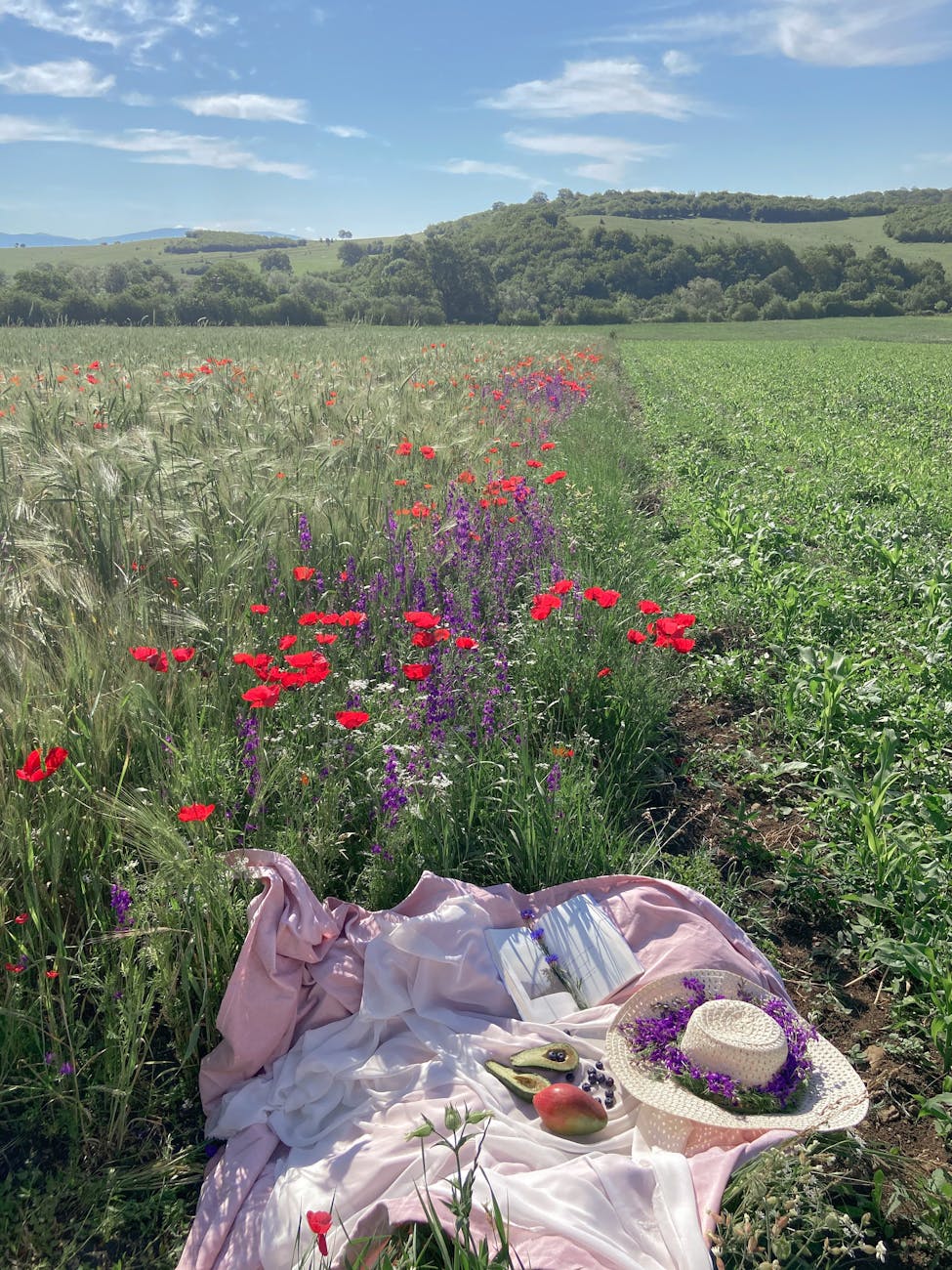
In order to move towards a positive future for all, we need to embrace a regenerative rather than an extractive mindset. Working with cyclical systems, working with nature, we need to remember the importance of giving back, keeping those cycles turning rather than simply taking all that we can get.
Regenerative gardening and farming go beyond food production that can endure. They emphasise the role that farmers and gardeners can play in tackling our climate and biodiversity crises – through implementing practices for high adaptability, high diversity, and high resilience – to improve land as well as simply sustaining it over time.
Permaculture design work often involves developing specific strategies and layouts to enable regenerative practices at a range of scales.
Unfortunately, the terms used are often used imprecisely, and like the term ‘sustainability’ the term ‘regenerative’ has also become a buzz word for greenwashing efforts, as well as genuinely healthy and restorative practices.
We need to understand that the terms used are differently by different actors. We need to be wary of grandiose and unsubstantiated claims for regenerative agricultural practices and regenerative horticulture.
However, we also need to recognise that many of the practices gathered under this umbrella can be scientifically verified and are not only viable but also amazing, exciting solutions to improve land and tackle crises both local and global.
Regenerative Food Production
A range of different ideas and concepts shape would-be, regenerative, food-producing systems. Looking at some key options can help gardeners and farmers move towards creating their own more flexible, diverse and resilient systems.
Agroforestry: Silvo-arable, Silvo-pasture, Forest Gardens
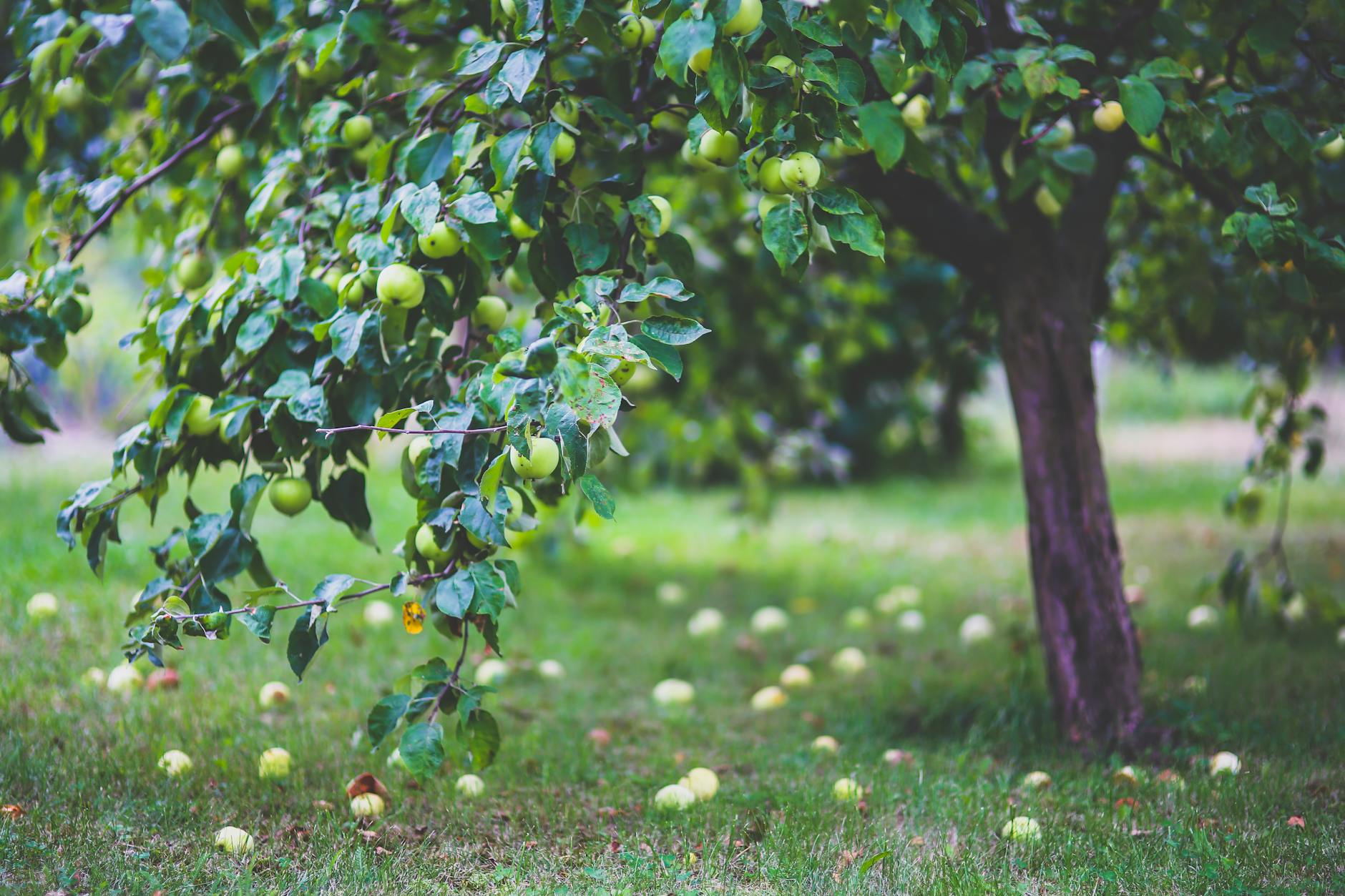
One key concept for regenerative food production at domestic or landscape scale is agroforestry. You will find that this concept is one that crops up frequently in my design and writing.
Different agroforestry schemes include silvo-arable systems combining trees and common arable crops, silvo-pasture schemes integrating trees with areas of livestock pasture/grazing areas, and food forests or forest gardens at a range of scales. Check out the link above for some examples of my designs that have incorporated this concept.
Agroforestry solutions are becoming increasingly more adopted and widespread – though implementation is lagging behind in some jurisdictions when compared to others.
Agroforestry ideas and practices have largely stood up to scientific scrutiny, and work continues apace to fine-tune practices and improve our knowledge of these types of tree-based food producing systems.
Even some very sceptical farmers are slowly being won over by success stories in a range of different locations, which bring a type of food production often well-known to indigenous people into the mainstream contemporary farming world.
No-Till Systems

Regenerative gardening and farming practices often emphasise soil health, of course, as well as the types of plants being grown.
Soil, as gardeners and farmers should know, is far more than just dirt below our feet. It is a living ecosystem, teeming with life. And we depend on that ecosystem for food production, and, indeed, for so much more.
No-till systems or no-dig gardens are a key component of regenerative soil care, along with soil-nurturing practices such as the addition of mulches of organic matter, and the use of nitrogen fixers in crop rotation and companion planting.
To care for the soil, we need to keep a living root in it over as much of the year as possible, and tailor our practices to care for the soil ecosystem as we would care for any other.
Composting systems and other systems that help build soil and cycle nutrients are also integral to good soil health. But it all begins with leaving the soil as undisturbed as possible.
Agroecology Practices
Regenerative farming and gardening recognise that agriculture and horticulture are inextricably linked with the natural environment as well as the social context in which people are growing.
Agroecological practices, intertwined with regenerative practices, involve working on holistic systems that produce food or other necessities for humanity, but also take the needs of wildlife, and communities into account.
Maintaining or restoring biodiverse native hedgerows, and adding wildflower field margins, fallow field meadows, farm ponds or small wildlife ponds, are just some ideas implemented.
These and other similar features are often integrated into regenerative systems in addition to the main food producing zones, with recognition of the benefits and value that these things can bring, economically, environmentally and socially.
In regenerative farming and gardening, there is a recognition that we need to look far beyond the crops themselves to achieve the best results.
Perennial Staple Crops
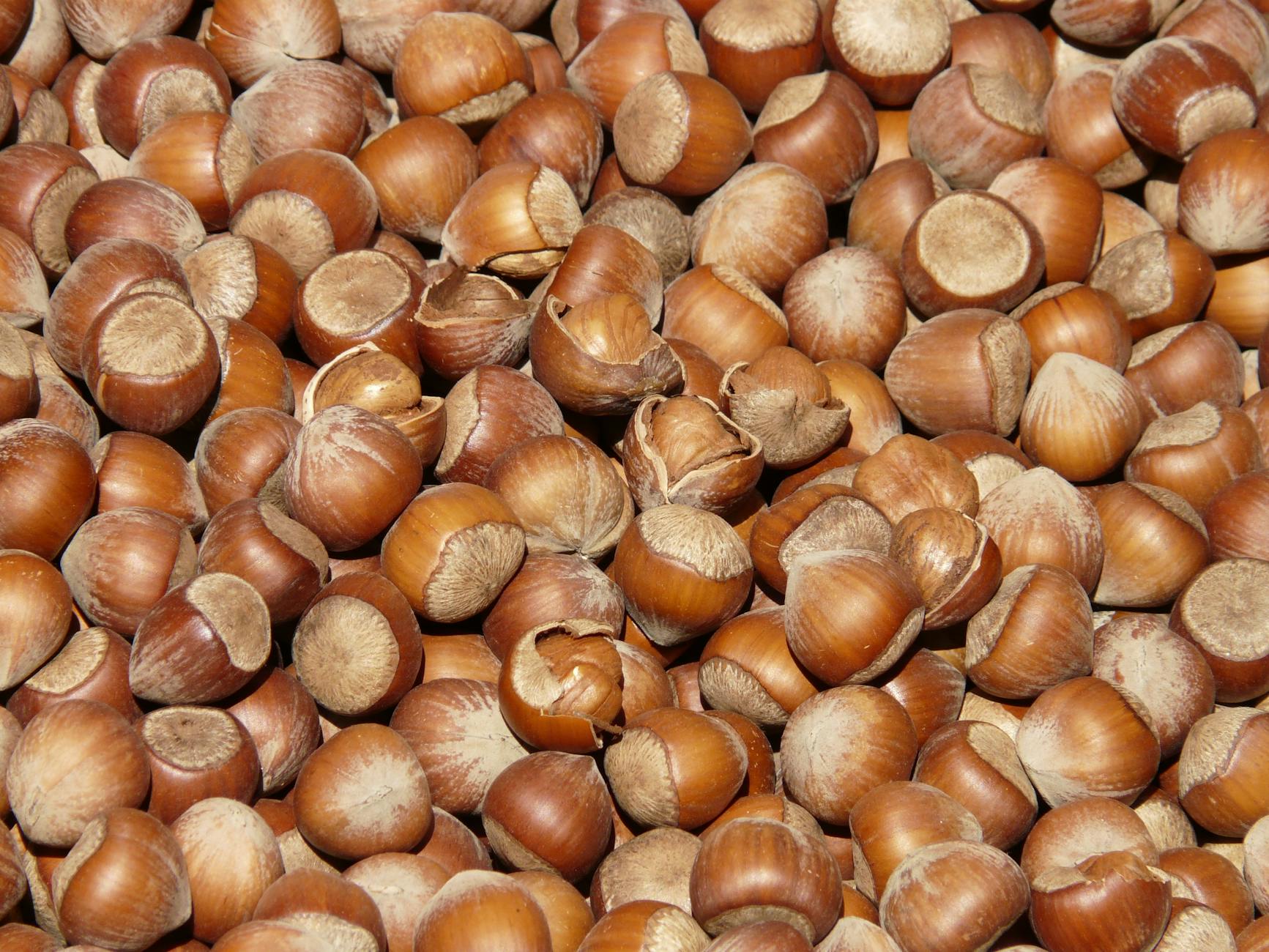
Perennial staple crops are plants that offer carbohydrates, proteins, and oils, satisfying our energy needs without requiring destructive harvesting. These plants yield produce while remaining in the soil, continuing to provide ecosystem services and maintain their environmental roles over several years.
Although many perennial edibles can be cultivated, staple crops are distinguished by their ability to supply substantial calories, making them potential key components of our future diets. They could potentially partially replace traditional annual staple crops like wheat, corn, and rice.
Regenerative farmers and gardeners seek to explore some of the options, from trees like hazel, and other nuts, to perennial legumes and grains.
Perennial grains represent a crucial focus of research for developing staple crops for regenerative systems in cool temperate climates.
Currently, several promising research directions are being explored. One such avenue is Secale montana, a type of perennial rye. Additionally, efforts to create perennial strains of corn have shown encouraging results.
While numerous other perennial plants can produce usable grains, these often come with smaller seeds and lower yields.
However, common cereal crops like wheat have the potential to become perennial, and research in this area is ongoing. We may achieve higher-yielding perennial grains in the future.
Livestock, Foraging & Rewilding
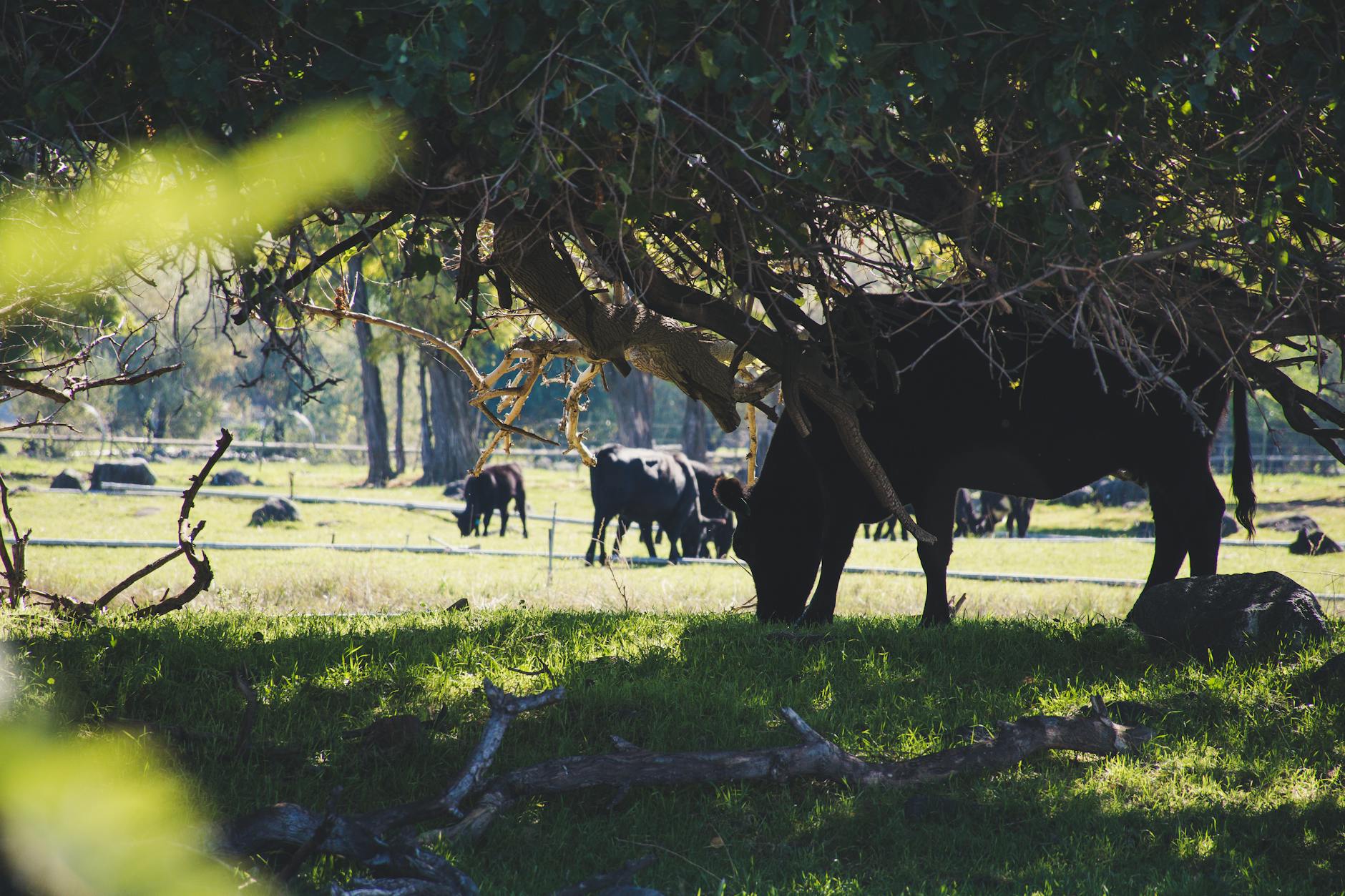
Another of the most interesting areas to look at in regenerative farming is how livestock are integrated into regenerative systems, and the degree to which livestock can and should be included in the regenerative farms of the future.
Innovations in rotational grazing systems over the past few years, and deepening of our understanding about how cattle and other ruminants can potentially be used in rewildling, have opened a range of new and fascinating questions about the best approaches for regenerative farming and gardening.
My permaculture design work often explores one or more of these concepts, as we collectively seek the best solutions for true regenerative practices.
There is of course a lot more depth to each of these topics, but perhaps this article will inspire you to delve a little deeper and, as a farmer or gardener, explore what might be possible on your own property.
 EWSP Consultancy