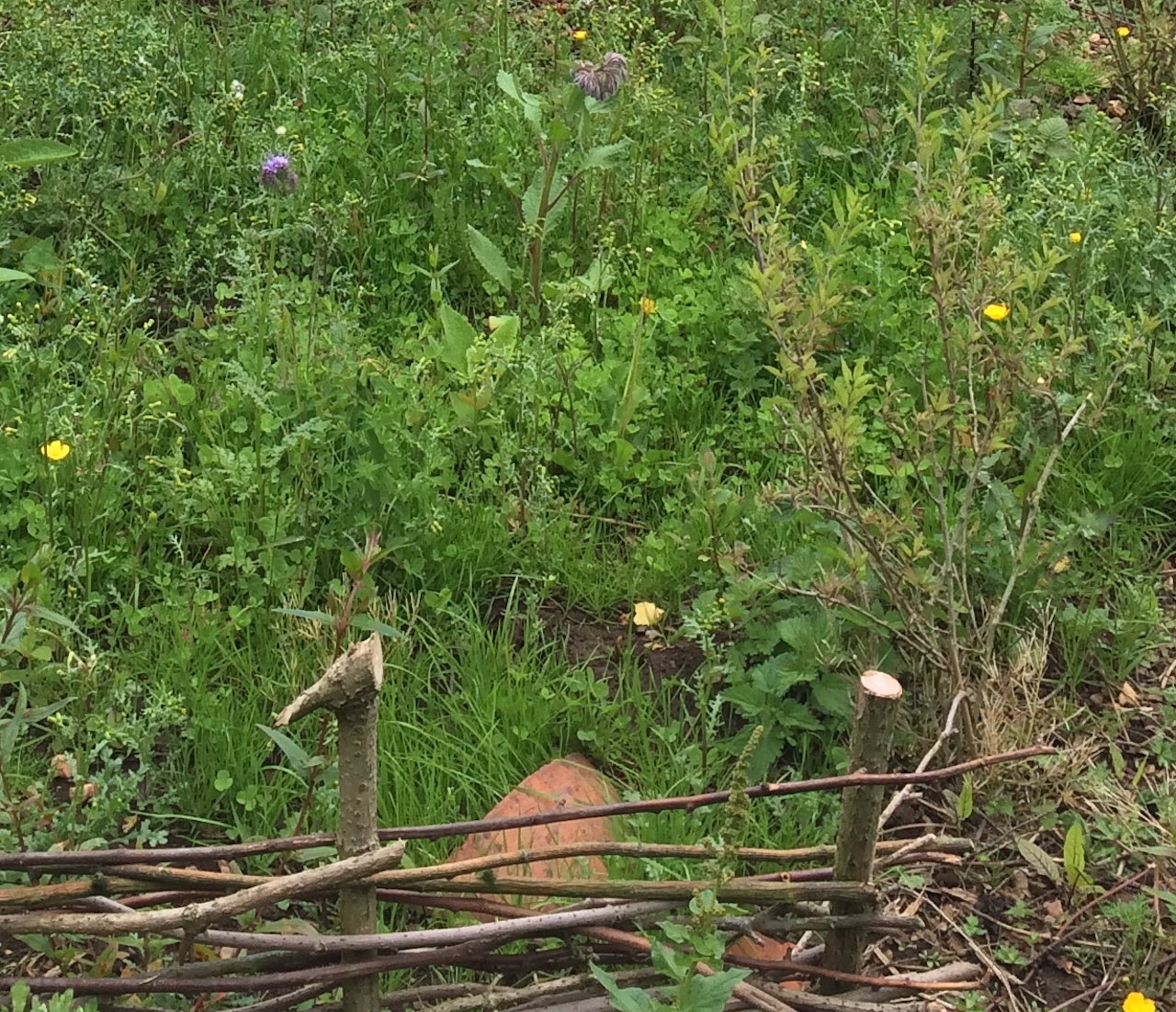
When any permaculture designer is working on a project, they will typically be working within the relatively solid framework of the permaculture ethics and permaculture design principles.
But permaculture as a design framework it not rigid. It leaves the space that is needed for nature, for people, and for changes over time as a system evolves.
It allows us to adopt a rewilding or ungardening approach for certain areas of a property – essentially – to design places free from more intensive elements or more intensive management.
Leaving undesigned, unmanaged or less managed spaces can be hugely important to maintaining or replenishing ecological complexity and ecological health.
As a permaculture designer, part of my job is to understand what elements are within our control in the real environments for which we are designing, and which are not. I also need to decide what to leave, what to alter slightly, and which areas to subject to somewhat more intensive change.
As designers and as gardeners or farmers, we are often treading a fine line between increasing yield, and increasing efficiencies, and conserving the natural ecosystems on our properties.
Permaculture shows us that we do not need to choose between productivity and yield on one hand, and ecological sensitivity on the other. In fact, the two go very much hand in hand, since when we are rich in ecological resources, increased yields and economic and personal enrichment can follow.
Knowing What Not To Do in Permaculture Design
Sometimes, knowing what not to do can be just as important as knowing what to do. We should make the least change for the greatest effect.
When we are designing, and as we are gardening or farming, it is important to make sure that we are not, as it were, imposing our will too strongly.
As gardeners and farmers, we will inevitably shape the environment around us, though we always have to remember that, as humans, we are not the only ones to do so.
As permaculture practitioners we always aim to make interventions that harness nature’s natural patterns, cycles and flows, and which boost natural biodiversity rather than fighting against natural systems. But we do also need to know where to simply leave things exactly as they are.
Rewilding Spaces of Permaculture Gardens and Farms
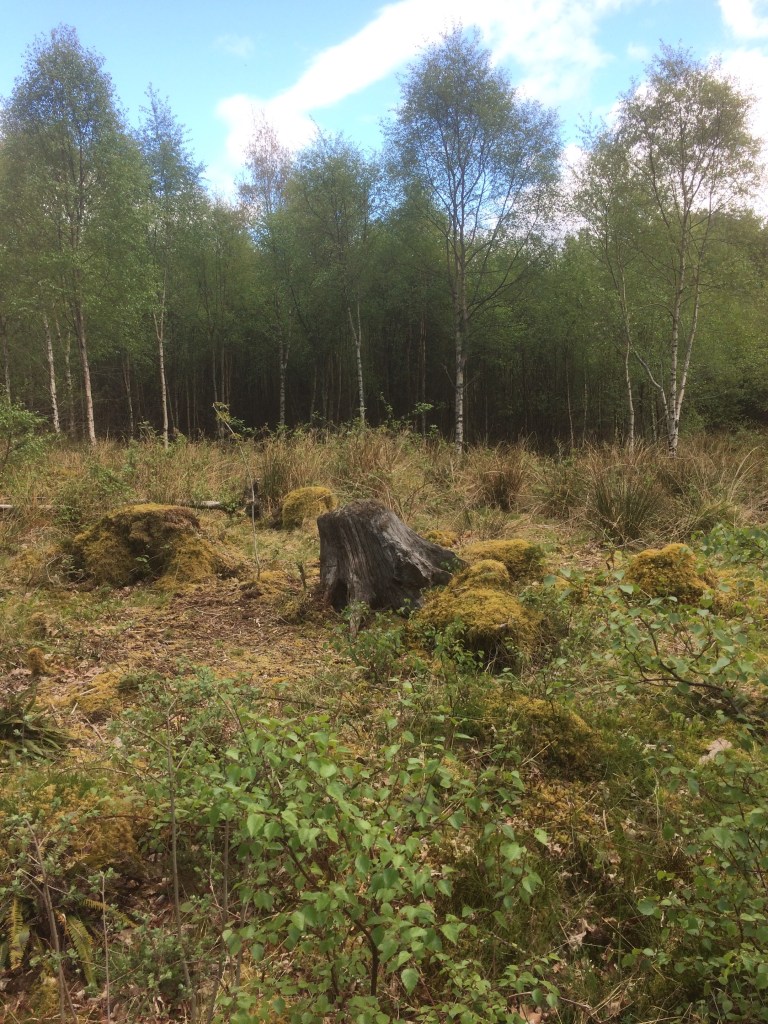
In the higher zones of a permaculture property, we design and plan to have considerably less influence over the environment. These are the areas where we let nature rule.
These rewilding areas, native woodland, existing forest etc… native prairie or meadow… native wetlands or riparian corridors… or simply wild corners of a domestic garden that are left relatively unmanaged…
These are often among the most interesting areas to observe – rich in local wildlife and ever-evolving over time when allowed to do so naturally.
Designing from patterns to details in permaculture design, we can see the broad shape of natural patterns on and around a given site. But it is by observing wilder areas over time that we can truly begin to know a natural environment in more depth.
Designing for Rewilding
This is just one of the reasons why, where wilder more natural environments do not currently exist, or have been depleted, we should take the time to design these areas back in. There are times when we do need to take action and not just sit back.
One interesting thing to consider is that we can introduce the concept of rewilding, or ungardening as it is sometimes called in a horticultural context, in more intensively managed zones, as well as in the traditional outer zones of a permaculture design.
Rewilding Elements to Add or Enable Through Permaculture Design
For example, in a fully lawned back garden, or on a mono-crop farm we can and should create designs that include rewilding features. These might include:
- Wildlife ponds, farm ponds, reservoirs, rain gardens and other wetland (water) systems .
- Areas of the predominant type of native vegetative cover, whatever that might be in a specific bioregion. (Forest, woodland, scrub, meadow, grassland etc…)
- Wild native hedgerows/ field boundaries/ garden edges incorporating as many different native species as possible.
- Brush, log piles, rockeries and other environmental enrichments – diverse habitats for native wildlife.
- Areas or soil where native wildflowers and other native plants from the soil bank and wind dispersal are left to grow undisturbed.
Sustainable Design Interventions for Rewilding
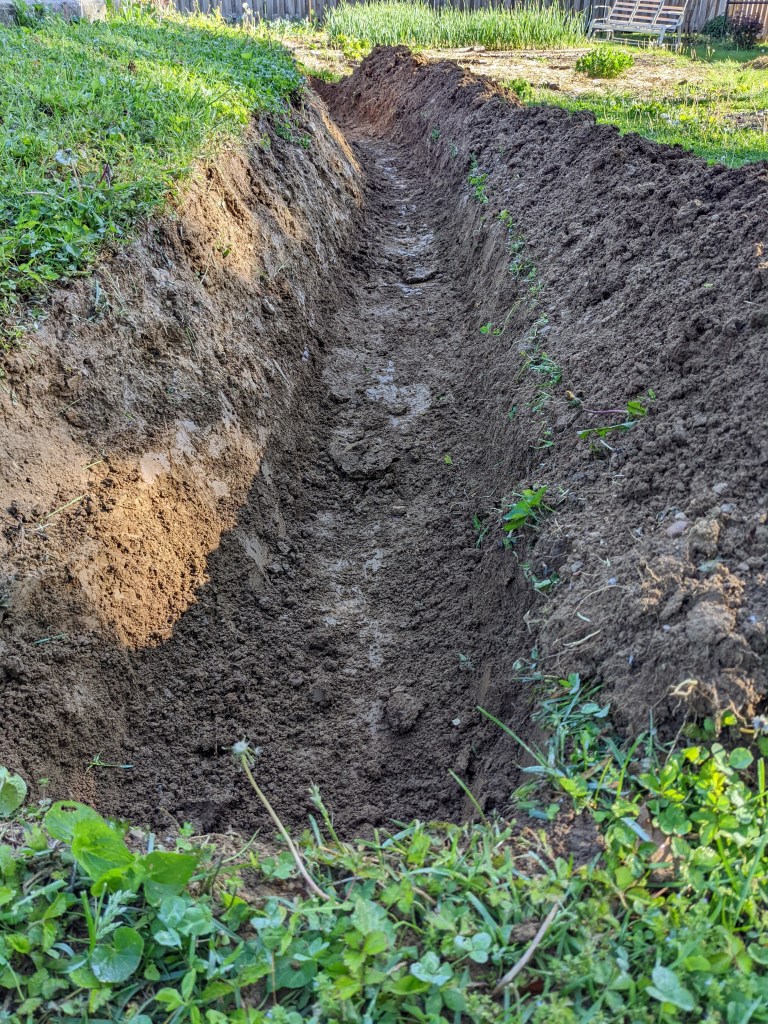
Where the permaculture design approach does require that we intervene to allow such wild, low-maintenance or zero-maintenance systems to develop, we will of course do so only in the most sensitive and careful of ways.
Earthworks are among the most common types of intervention that we might make, in particular for water management. We may also divert or carefully design pathways in order to enable areas to remain freer from human intervention.
Other key interventions involve some planting. To give an example, native tree saplings planted within existing gorse or bracken stands here in Scotland can hasten ecological succession and allow nature to take over in creating a more biodiverse native environment.
Sometimes, introducing the right animals into a system can enable the regeneration of wild, natural environments. Where this is the case, the design obviously has to take the introduction of these animals (beavers, ruminants etc…) into account.
Ironically, keeping animals out can also sometimes prove important when creating rich natural habitats. (Deer fencing here in Scotland can be essential for rewilding schemes, to give an example.)
Another point to think about is that sometimes, the existence of wilder and less-managed natural areas depends on the yields and efficiency of primary growing areas.
After all, the more productive and efficient are the main growing areas in meeting our food needs and other requirements, the more space can be devoted more purely to nature on the property as a whole.
Rewilding Within Intensively Managed Zones

Examples of how we can incorporate less intensively managed, natural areas within and alongside more intensively managed zones include:
- Wildflowers/ ‘weeds’ allowed to grow undisturbed in an area beside/ around the edges of vegetable beds or other growing areas (drawing in native pollinators and predatory insects to help manage pests organically).
- Allowing wild plants to grow up in the cracks between existing pavers and on pathways rather than weeding them out.
- A natural and relatively undisturbed wildlife pond or fish pond, upon which plants are grown in a hydroponic/ aquaponic system. Or a natural wetland with some paludiculture systems for wetland crops.
- A forest garden can have wilder zones within it (my own, as pictured above, most emphatically does), embracing native, naturally occurring plants as well as incorporating a selection of carefully chosen species for food and other yields and ecological function.
People sometimes write about permaculture and rewilding as though they were incompatible ideas with entirely different goals. But the two definitely go hand in hand. Both are important in creating a truly sustainable and ecologically sensitive design.
 EWSP Consultancy
Hi! We’re re- wilding too:)
LikeLiked by 1 person
That’s great! Always great to hear what others are doing too! If you’d like any help or just to share notes, please do feel free to get in touch.
LikeLiked by 1 person
You too:) You’re more than welcome to come visit me at my site as well:)
LikeLiked by 1 person