Contemporary farming faces a huge range of challenges. The urgent need to protect the soil, decarbonise, reduce pollution in all its forms, protect the wildlife on which we depend, adapt to our changing climate, and create more resilient agricultural systems means that radical solutions are required.
Agroforestry provides many of the sustainable solutions we seek. Designs that combine trees with agricultural production are at the forefront of a sustainable farming revolution.
What is Agroforestry?
Agroforestry, at its heart, is about healing the broken relationship between people and the land. It is an holistic approach to agriculture that integrates trees and shrubs into cropping and livestock systems, creating dynamic, resilient, and ecologically sound systems that mimic the complexity and productivity of natural ecosystems.
It is an ancient practice, long utilised by Indigenous peoples across the globe, and now it’s regaining the attention it deserves among permaculture designers, regenerative farmers, and climate-conscious land stewards. Many come at agroforestry from different disciplines and points of view and come together at this interesting intersection.
In permaculture, we often look to nature as the ultimate teacher. Forest ecosystems, the lungs of our Earth, function in a closed-loop cycle, producing abundance while enriching rather than depleting the soil. Agroforestry, when done thoughtfully, replicates this natural pattern, while also creating resilient production of food and other yields.
The Benefits of Agroforestry
Agroforestry systems can provide a multitude of benefits, which is part of why they’re gaining traction among those working to transition away from extractive, industrial models of food production.
One of the most immediate benefits is biodiversity. A diversified landscape that includes trees, shrubs, perennials, and annual crops supports a wider array of species – from birds and pollinators to beneficial soil microorganisms. These systems help close nutrient loops and reduce the need for external inputs like synthetic fertilisers or pesticides.
Agroforestry also contributes significantly to climate change mitigation. Trees are powerful carbon sinks, sequestering carbon in their trunks, branches, and roots, and improving soil organic matter. Their presence in agricultural landscapes can also buffer extreme weather events—sheltering crops from wind, stabilizing soils to prevent erosion, and maintaining moisture in the landscape through shade and transpiration.
There are clear economic benefits as well. By diversifying outputs—timber, fruit, nuts, forage, medicinal plants, and more—agroforestry systems reduce risk for farmers. If one crop fails, others may still thrive. In many cases, income from long-term investments like nut trees or timber species can complement the short-term gains from annual cropping or livestock.
Agroforestry systems help to restore degraded land, regenerate soil health, and bring people into deeper relationship with their landscapes. This is regenerative design in action.
Types of Agroforestry
Agroforestry is not a one-size-fits-all solution. Like any good permaculture design, it depends on the place and a range of factors such as its climate, its soils, its people, and their needs.
Over time, several specific systems have emerged that categorise the ways trees are incorporated into agriculture. Each has its own character but all share the common foundation of working with nature rather than against it.
Food Forests
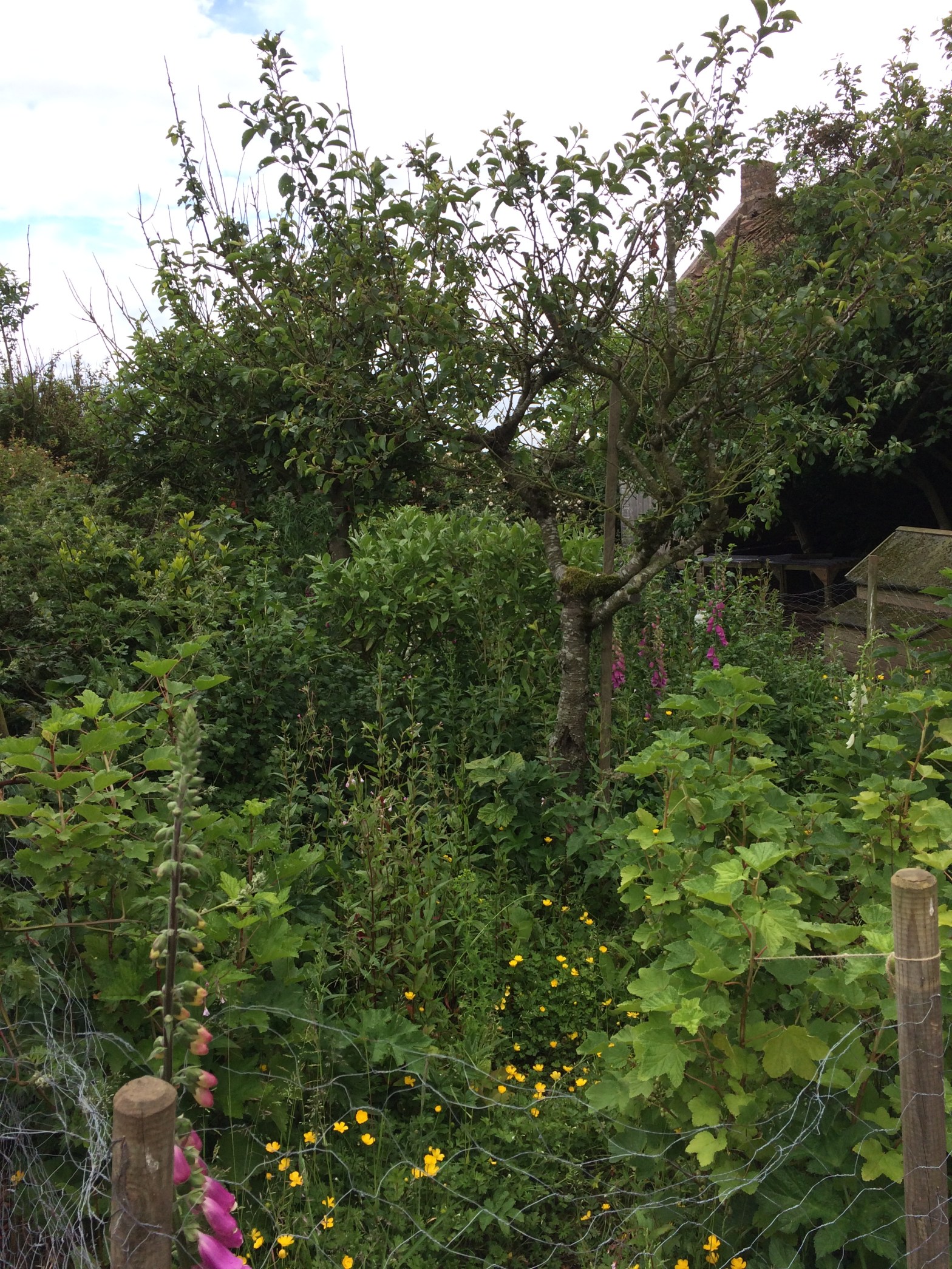
Food forests are often the gateway for many of us in the permaculture world into the wonders of agroforestry. Also known as forest gardens, these systems mimic the structure and function of natural forests while producing food, medicine, fuel, and fibre for human use.
A well-designed food forest creates a self-supporting ecosystem. The deep roots of trees draw up nutrients from the subsoil, leaves mulch the ground, and the diversity of plants fosters natural pest control and pollination.
While food forests are often domestic, designed to produce food for a single household or a small community, larger, commercial food forests are certainly also possible. The concept is adaptable and scalable to almost any climate.
Silvo-pasture Systems
Silvo-pasture combines trees, forage, and livestock into a single system that benefits all three elements. This approach moves us away from the “either/or” mentality that has plagued land-use planning for centuries—either it’s forest or it’s pasture. Silvo-pasture says: why not both?
One thing that is often forgotten is that although many of us are now more used to seeing farm animals in open fields, many animals commonly reared as livestock today have strong ecological ties to forest or woodland ecosystems. The wild ancestors of modern day cattle, pigs, and poultry were all very much at home among the trees, as are their descendants today.
Shade from trees improves the welfare of animals, particularly in hot or exposed environments. At the same time, animal manure returns nutrients to the soil, supporting tree growth. Tree roots stabilise soil and reduce erosion caused by hoof traffic, while also improving water retention and resilience in dry conditions.
Silvo-pasture can take many forms, and strategies and specifics for such systems are very much dependent on climate and location.
Silvo-arable Systems
This agroforestry type combines trees and crops in the same field. Trees are typically spaced widely in rows, with annual crops grown in the alleys between. These alley cropping systems can be especially effective in reducing wind damage, regulating microclimates, and enhancing soil moisture. Trees such as walnuts, chestnuts, or poplars might be paired with cereal grains, legumes, or vegetables.
In temperate regions, where sun angles change seasonally, this setup can be optimised to reduce shading in the summer and increase warmth in the winter. In tropical areas, carefully managing canopy height and tree species selection is critical to ensure crops get enough light.
Intercropping with trees encourages diversity above and below ground, leading to more robust soil ecosystems and improved fertility over time. And while trees take longer to mature, they offer long-term income opportunities alongside shorter-season annuals.
Agrosilvopastoral Systems
As the name suggests, these systems bring together trees, crops, and livestock—the full suite of agricultural production—in one integrated design. While complex, these systems reflect the true diversity of natural ecosystems and can be incredibly productive when managed well.
The key is designing with intention—choosing species and layouts that complement one another rather than compete.
These systems are especially valuable in areas with limited land availability, where every square meter must serve multiple functions. They also embody the permaculture principle of “stacking functions”—using space and time in layered, intelligent ways.
Agrosilvopastoral systems require more knowledge and labour than monocultures, but they also provide more resilience, better use of resources, and greater ecological integrity.
Other Ways Trees Are Incorporated Into Agricultural Plans
Beyond the core systems already mentioned, trees play other vital roles in permaculture-aligned farms and gardens. Windbreaks, shelterbelts, and riparian buffers are common examples. These features may not directly produce food, but they’re essential for creating microclimates that protect crops and animals.
Trees planted along slopes as part of contour bunding or swales help reduce runoff and catch water in the landscape. Trees can also be used to create living fences and other layout features in broader farm design.
Learning More Each Day – Evolving Agroforestry Systems
The concepts of agroforestry are not new, but in many locations, such as here in the UK, we are learning how to adopt ancient practices in modern, scientific ways to develop systems that can keep up with the economic and productivity demands of contemporary farming.
Contemporary forms of agroforestry here are still in their infancy – through we are increasing our knowledge as more evidence comes in from farmers who are putting the core ideas into practice.
One of the most exciting developments in recent years is the rise of farmer-led innovation in agroforestry. Rather than waiting for top-down directives, many farmers are experimenting on their own land, observing, adjusting, and sharing their insights through networks and cooperatives.
There is also a growing body of scientific research supporting agroforestry’s benefits—both ecologically and economically. Universities, NGOs, and governments are increasingly recognizing that tree-based farming systems can offer real solutions to the twin crises of climate change and biodiversity loss.
Agroforestry is not a panacea. It requires patience, observation, and a willingness to work with complexity. But it’s also deeply hopeful work—because planting trees is inherently an act of faith. We plant not only for ourselves, but for the generations to come.
 EWSP Consultancy