I am the main human gardener on our property, but I am far from being the only one who does things and makes choices that influence what happens in the garden.
One important thing that human gardeners need to remember is that they are not gardening alone. Any human gardener is just one of a great many living beings who manipulate the natural environment around them. Even in the smallest urban garden there are many creatures playing their own roles, however small, in shaping the space.
As gardeners, we must embrace humility in the face of the complex, interconnected web of life that surrounds us. Whether we are cultivating a wild patch of meadow, a carefully tended vegetable plot, or a handful of pots on a balcony, we are entering into a dynamic and ongoing conversation with countless other organisms.
Why Gardeners Must Think Like Ecologists
To become truly sustainable gardeners, we need to think beyond human intention. Gardening is not just about what we do to a space—it’s about how we participate in living systems. By understanding and embracing the roles of other species, we design gardens that are more resilient, biodiverse, and climate-conscious.
Embracing the complexity in a sustainable garden can sometimes feel overwhelming. I can help by creating the perfect, tailored permaculture plan for your property. I can also offer hourly consultancy on different strategies for healthy ecological function in a garden. Please do get in touch for a bespoke design or consultancy offer.
The Hidden Helpers Beneath Our Feet
Healthy soil is alive. Bacteria, fungi, protozoa, and earthworms are essential to soil structure and fertility. Mycorrhizal fungi, for example, form symbiotic relationships with plant roots, exchanging nutrients and increasing drought resistance. When we till less, mulch more, and avoid synthetic chemicals, we encourage this vital underground network to thrive.
Many gardening mistakes revolve around harm done to hidden helpers in the soil. First, do no harm. Growing as a gardener often means spending more time thinking about fungi that you might imagine.
Especially when establishing a forest garden, or any areas of trees or shrubs, taking steps through mulching to establish a fungal-dominant soil environment, and sometimes adding mycorrhizae when planting, can improve rates of establishment.
Pollinators and Pest Managers: Natural Balance in Action
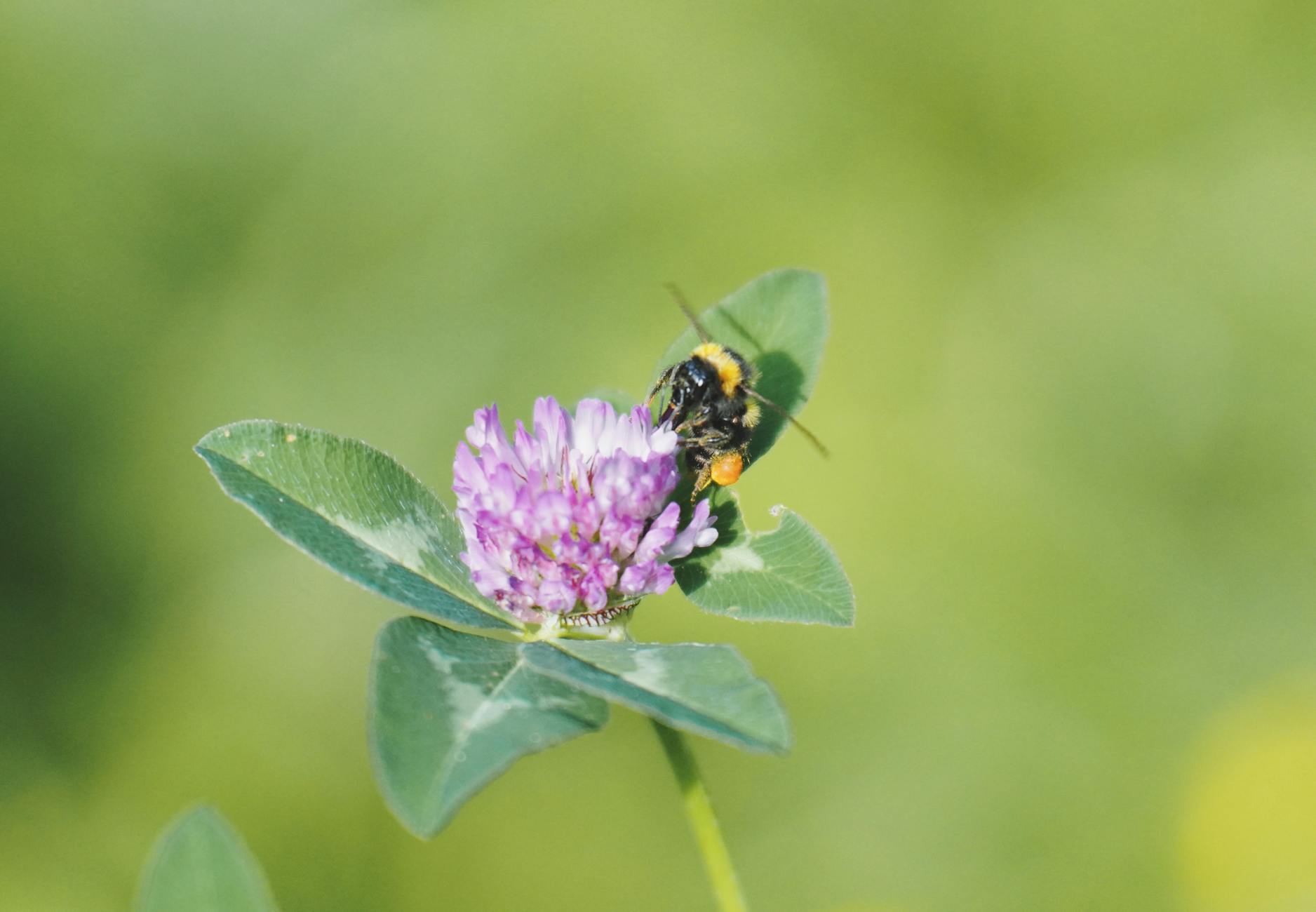
Bees, butterflies, and hoverflies aren’t just pretty—they are crucial for fruit set and flower health. Similarly, predatory insects like ladybirds and lacewings help manage aphid populations naturally.
Of course, most gardeners will plant to bring in pollinators to their gardens and will introduce flowering plants that bloom throughout as much of the year as possible. But becoming the best gardener you can be involves planting for pollinators with a greater degree of specificity. Choosing native plants that are of most benefit to local pollinators in your area at certain times of year can be key.
Welcoming Ecosystem Engineers Into Your Garden
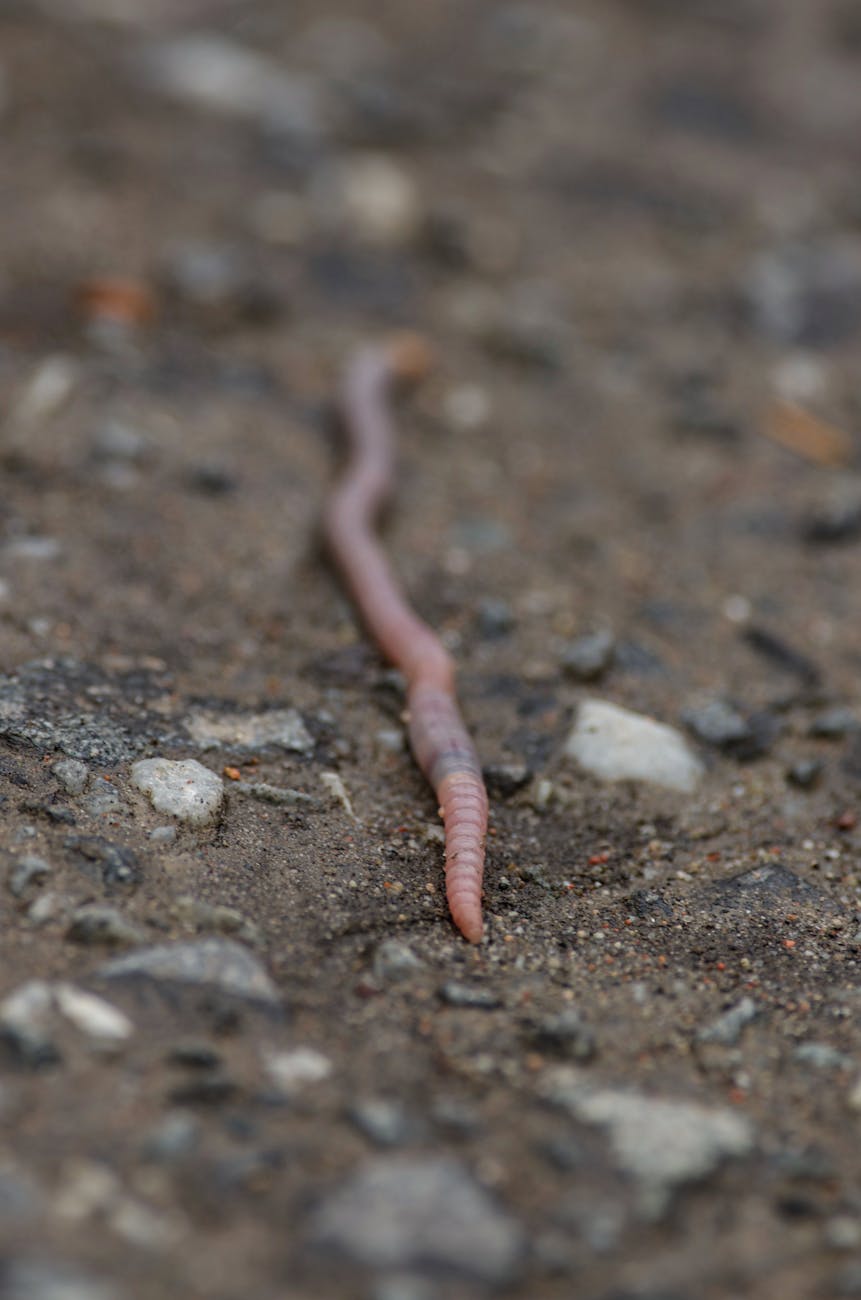
Ecosystem engineers are organisms that physically modify their environment, creating habitats for other species. The more you observe and interact in your garden, the more obvious it will become that you are not the only one shaping the space.
Beavers are obvious ecosystem engineers in wider, natural environments, though few of us are lucky enough to have those in our gardens! Some ecosystem engineers that you are more likely to find in your garden are:
- Earthworms that aerate soil and cycle nutrients.
- Ants and other insects that distribute seeds, help in decomposition, and improve soil porosity.
- Moles and voles who may be seen as pests but contribute to soil turnover and aeration.
- Birds, bats, and small mammals who spread seeds, control insect populations, and add fertility via droppings.
- Here are just a few examples from my garden:
- Jackdaws, though sometimes thought of as pests, benefit garden ecosystems in subtle but meaningful ways as ecosystem engineers. By foraging for insects and grubs, they contribute to natural pest control and they contribute to nutrient cycling through their droppings. Their nesting behaviour can create or modify habitats used by other species, and their presence influences the behaviour of other birds through social dynamics and alarm calls.
- Barn swallows offer several valuable benefits to garden and farm ecosystems. As aerial insectivores, they consume large quantities of flying insects—including mosquitoes, flies, and crop pests. Their mud-cup nests, often built under eaves or in outbuildings, cause minimal disturbance and can be reused year after year, sometimes by other species. By contributing to insect regulation and occupying a unique ecological niche, barn swallows support biodiversity and reduce the burden of pests on both people and plants.
- Pipistrelle bats are small but highly effective allies our garden ecosystem. Each night, a single pipistrelle can consume thousands of flying insects, including midges, mosquitoes, moths, and other garden pests, making them a natural and efficient form of pest control. Their presence supports biodiversity by keeping insect populations in check and contributing to the food web, as they are also prey for owls and other predators.
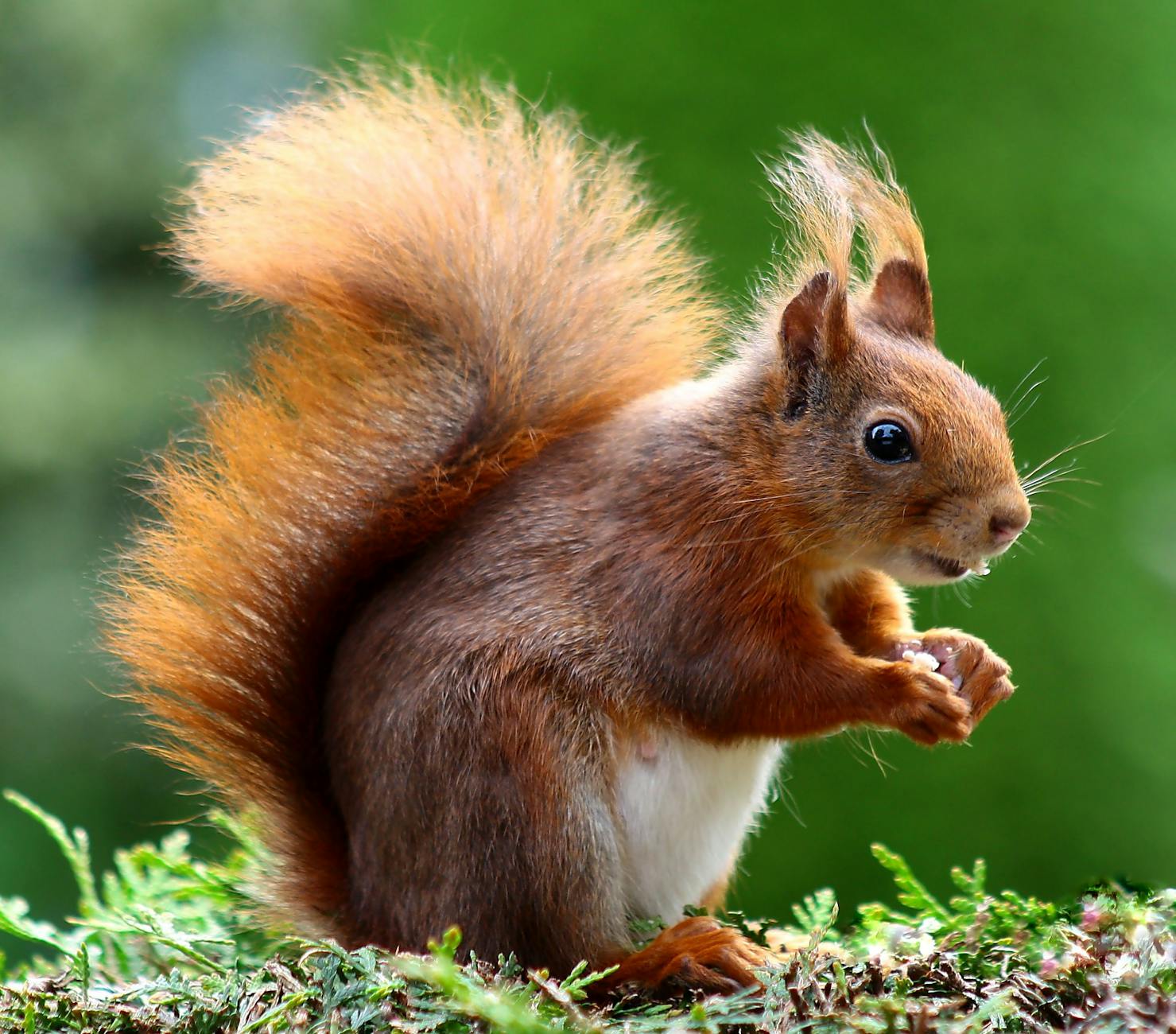
- Red squirrels are important contributors to woodland and garden ecosystems, particularly in parts of Scotland where they are still a native and protected species. As natural seed dispersers, they play a key role in forest regeneration by burying nuts and seeds—many of which are never retrieved, allowing new trees to grow. Their feeding habits help shape plant communities and influence woodland structure over time. Red squirrels also support biodiversity by maintaining ecological balance, and their presence often indicates a healthy, well-functioning habitat.
How to Work With Your Fellow ‘Gardeners’
- Observe: Watch and Wait. Be open to what will happen outside of your control within your space, and be open to amending your own plans to work more harmoniously with the natural world around you. (An example of this from my own garden is how I have allowed wild raspberries to self seed below popular bird perches – a win-win for the wildlife and for us.)
- Adapt your design to support positive interactions and reduce conflict between humans and other users of the space. (Using integrated pest management techniques, and physical barriers to protect crops where necessary.)
- Don’t be too tidy. Leave a corner of your garden wilder, with fallen logs, rocks, or tall grasses that can provide shelter and breeding grounds for many creatures.
In short: Gardeners are ecosystem participants—not just designers. Listen to your land. Support biodiversity. Work with nature rather than fighting it.
From Control to Co-Creation: A Regenerative Gardening Mindset
Ultimately, embracing ecosystem engineers means embracing complexity. As regenerative gardeners, our role is to co-create with nature, not impose upon it. When we understand that we are just one actor in a larger ecological drama, we become better stewards of the land.
By shifting from a control-based approach to one of observation, support, and cooperation, we allow gardens to become thriving, living ecosystems. Whether you’re growing food, flowers, or simply rewilding a forgotten patch, remember: you’re not gardening alone.
 EWSP Consultancy