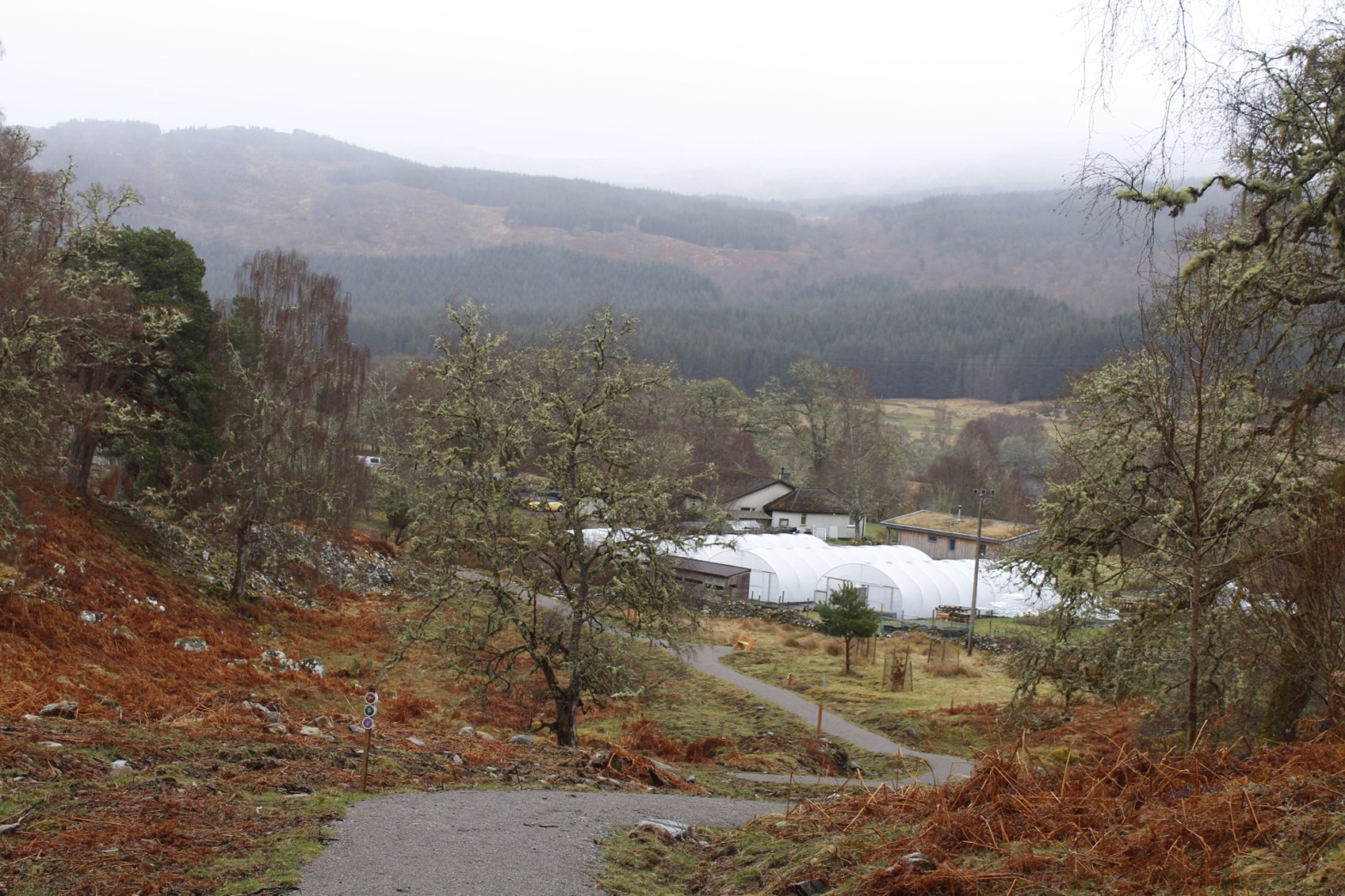
In environmentalism, we often focus on the damage that humanity has done and is doing to our planet home. But it is important to remember that as a species we also have the capacity to leave the world around us in a better shape than we find it.
We have the power to alter the world around us in positive as well as negative ways, working in harmony with nature to restore ecosystems around us.
UN Decade on Ecosystem Restoration
We are in a period that has been designated by the United Nations (UN) as the decade of ecosystem restoration. “The UN Decade on Ecosystem Restoration aims to prevent, halt and reverse the degradation of ecosystems on every continent and in every ocean.”
Increasingly, there is an understanding that moving beyond conservation, ecosystem restoration plays a crucial role in climate change mitigation and adaptation, climate justice, tackling poverty and fragilities and preventing mass extinction.
Types of Ecosystem Restoration

Ecosystem restoration, which might also be called ecological restoration or environmental restoration, is the process of healing damaged natural systems—reviving their structure, function, and capacity to support life. It happens across a wide range of scales, from reintroducing native plants in a small urban garden to rewilding vast landscapes or restoring entire river basins.
Whether it’s a degraded wetland, a deforested hillside, or a coral reef in decline, restoration efforts aim to bring ecosystems back into balance, supporting biodiversity, improving water and soil health, and increasing resilience.
At every scale, restoration invites us to work with nature rather than against it, fostering long-term relationships between people and the more-than-human world.
It also helps us to reshape our relationships within our own broader environment, and to recognise that we are only one of the many forms of life dependant on the natural world. Reframing the concept as habitat restoration can help us to see our role in benefiting other forms of life as ecosystem engineers.
Sometimes, ecosystem recovery simply requires that we humans stay out of it, and do as little as possible – letting nature take the lead. Indigenous knowledge in restoration often shows how far the developed world has strayed, and the importance of bringing ancient knowledge and diverse voices to the table.
1. Reforestation and Afforestation
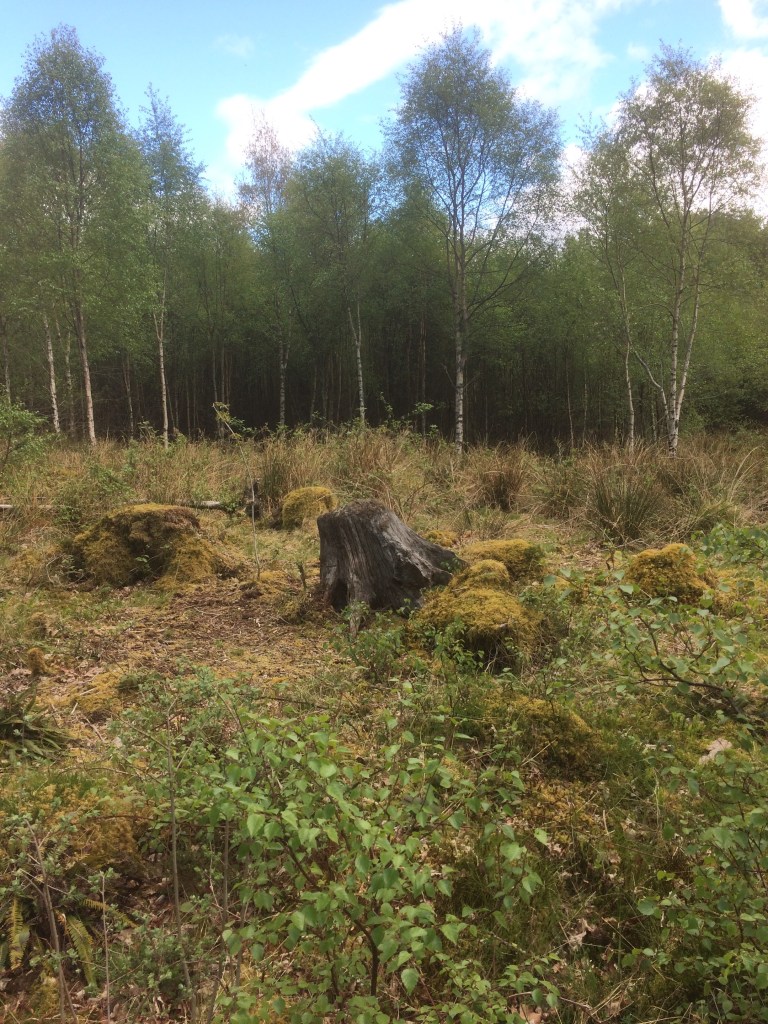
Planting trees is a classic and essential method of restoration—but not all trees and not all planting strategies are equal.
Reforestation (replacing lost forest/ woodland) and afforestation (adding new forest or woodland areas) must go beyond monocultures and embrace diverse, multi-layered forest systems.
Special care and attention also needs to be given to where and how trees are planted. As always, we need to look holistically at the big picture before we hone in on the details.
2. Watershed and Wetland Restoration

Restoring the flow and quality of water is central to any ecological healing. Many ecosystem restoration programs centre around water – and on restoring healthy ecological function to watersheds and wetland systems.
A watershed is an area of land, often a ridge or higher promontory that separates waters flowing to different rivers, basins or seas. A watershed includes land, soil, vegetation, animals, and human communities—all of which influence how water moves and how healthy the system is. Restoring watersheds to their natural function can be crucial for not only the areas themselves but also for areas downstream.
Wetlands are among the most vital and productive ecosystems on Earth, acting as natural water filters, flood buffers, carbon sinks, and habitats for diverse plant and animal life. They play a crucial role in regulating water cycles, improving water quality, and supporting both local communities and global biodiversity.
However, wetlands are disappearing at alarming rates due to development, pollution, and drainage. Restoring wetlands helps to reverse this loss—reviving natural hydrology, reestablishing native vegetation, and protecting wildlife, while also building climate resilience and ensuring clean water for future generations.
3. Marine and Coastal Ecosystem Restoration

Of course, waters ultimately flow to our coastlines, our seas and our oceans. We need to understand that much of what we do on land and what happens with water inland affects marine and coastal environments.
From mangroves to coral reefs to seagrass beds, ocean ecosystems are vital not only to marine life but to the broader planetary ecology—and to humanity itself. These coastal and underwater systems provide essential services: they act as nurseries for fish, buffer shorelines from storms, filter pollutants, and store vast amounts of carbon. Coral reefs alone support nearly a quarter of all marine species, while mangroves and seagrasses protect coastlines and improve water quality.
Despite their immense value, these ecosystems are under growing threat from pollution, coastal development, overfishing, and climate change, particularly ocean warming and acidification.
Restoring marine and coastal habitats is a critical aspect of global ecosystem restoration. This work may involve replanting mangroves, restoring oyster or coral reefs, reducing runoff from agriculture, and protecting seagrass meadows through no-trawl zones.
In some cases, restoration means simply stepping back and giving the ocean space to recover—combined with policies that limit exploitation and promote regeneration. As with land-based ecosystems, marine restoration is most effective when it is community-led, ecologically informed, and rooted in long-term stewardship.
4. Grassland and Savanna Rehabilitation
Too often forgotten, grasslands, prairies, meadows and savannas are carbon-rich, biodiverse ecosystems. These open landscapes, far from being “empty” or expendable, are dynamic living systems that regulate climate, sequester carbon in deep-rooted perennial plants, and sustain a wide range of pollinators, birds, herbivores, and soil organisms.
Yet, they are highly vulnerable to degradation through practices such as overgrazing, industrial monoculture, ploughing, and chemical inputs, which strip the soil of its protective cover, disrupt native species, and release stored carbon into the atmosphere.
Restoration may include planned rotational grazing, native seeding, and erosion control, aligning with techniques like holistic management to restore natural cycles of disturbance and regeneration.
5. Desert and Arid Land Restoration
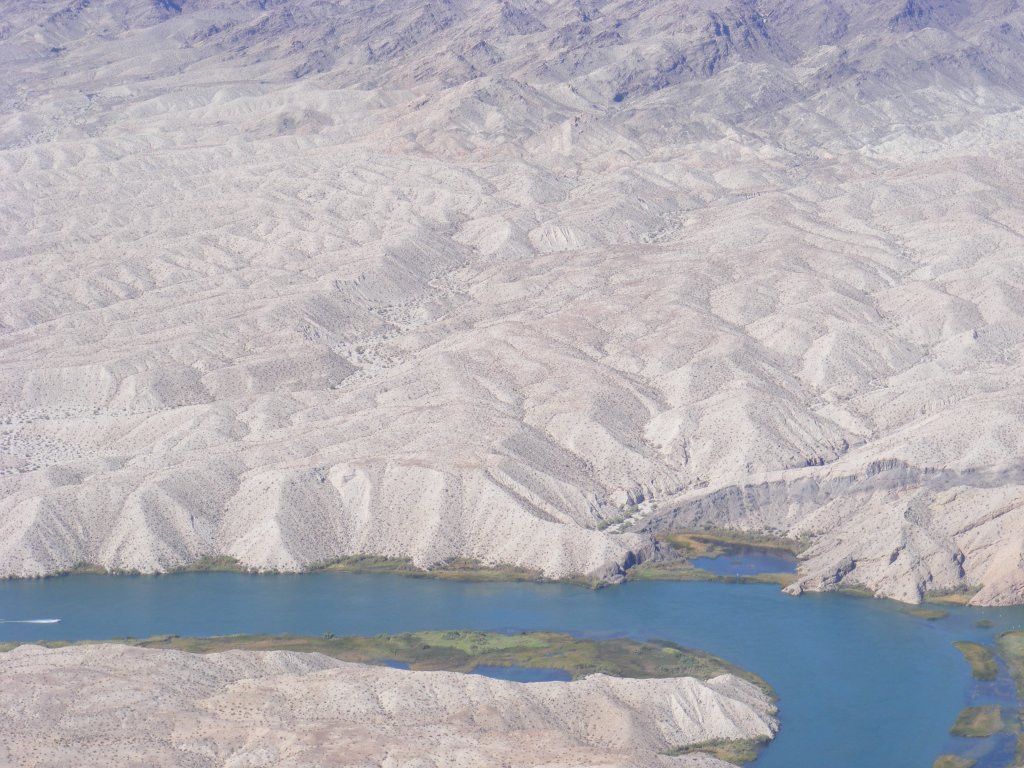
Desert restoration is about working with extreme conditions, not against them. Through water-harvesting earthworks like swales, terraces, bunds, and gabions, combined with drought-tolerant native species, mulch layers, and windbreaks, we can restore biological productivity even in harsh climates.
Projects in arid environments around the world show that with permaculture principles, patient observation, and appropriate design, life can return to places where desertification has occurred. Even in the most degraded landscapes, regeneration is possible.
6. Soil Restoration on Gardens or Farms
Healthy soil is a living system. Restoration efforts can often involve rebuilding soil wirth organic matter, protecting microbial life, and ending chemical dependency.
Strategies may involve composting, cover cropping, rotational grazing, or no-dig gardening, to give a few examples. These are all practices that return carbon to the soil and life to the land.
7. Urban Ecosystem Restoration
Ecosystem restoration can also take place in urban gardens, and throughout cities and towns. In urban areas, restoration can take the form of green roofs, community food forests, pollinator corridors, and rewilding public spaces.
It’s not just about restoring nature, but restoring our relationship to it—bringing ecological literacy into the heart of human settlements.
Best Practice in Ecosystem Restoration
The key for future restoration efforts is to ensure that the approach is:
- Rooted in ecosystem restoration science (meticulous, monitored, measured, and taking the real-world situation into account at all times).
- Rooted, too, in indigenous practices and beliefs, and with a holistic, inclusive approach that means all relevant voices are heard, and all relationships with land, old and new, are taken into account.
- Community-led and community backed (ensuring success and resilience longer term and considering intersectionality between a range of social and environmental issues).
When ecosystem restoration is most effective, it can heal more than just ecosystems. It can mend rifts and bring people into deeper and closer connection with the more-than-human world and each other.
Ecosystem restoration can offer us a vision of a better future, one in which we have repaired much of the damage humanity has done. It can give us hope for a damaged planet and for our species, and give us purpose in our lives.
If you have any land, whether it is a large tract, a portion of farmland, or simply a large garden, you can consider how you might incorporate ecosystem restoration, rewilding and regenerative practices in general into your management plans.
I can help you to develop a design and holistic regeneration plans appropriate to time and place – incorporating the specifics of your eco-region and specific site to welcome in nature and help it thrive. Get in touch to talk about your specific site and goals, and for a bespoke quotation.
 EWSP Consultancy