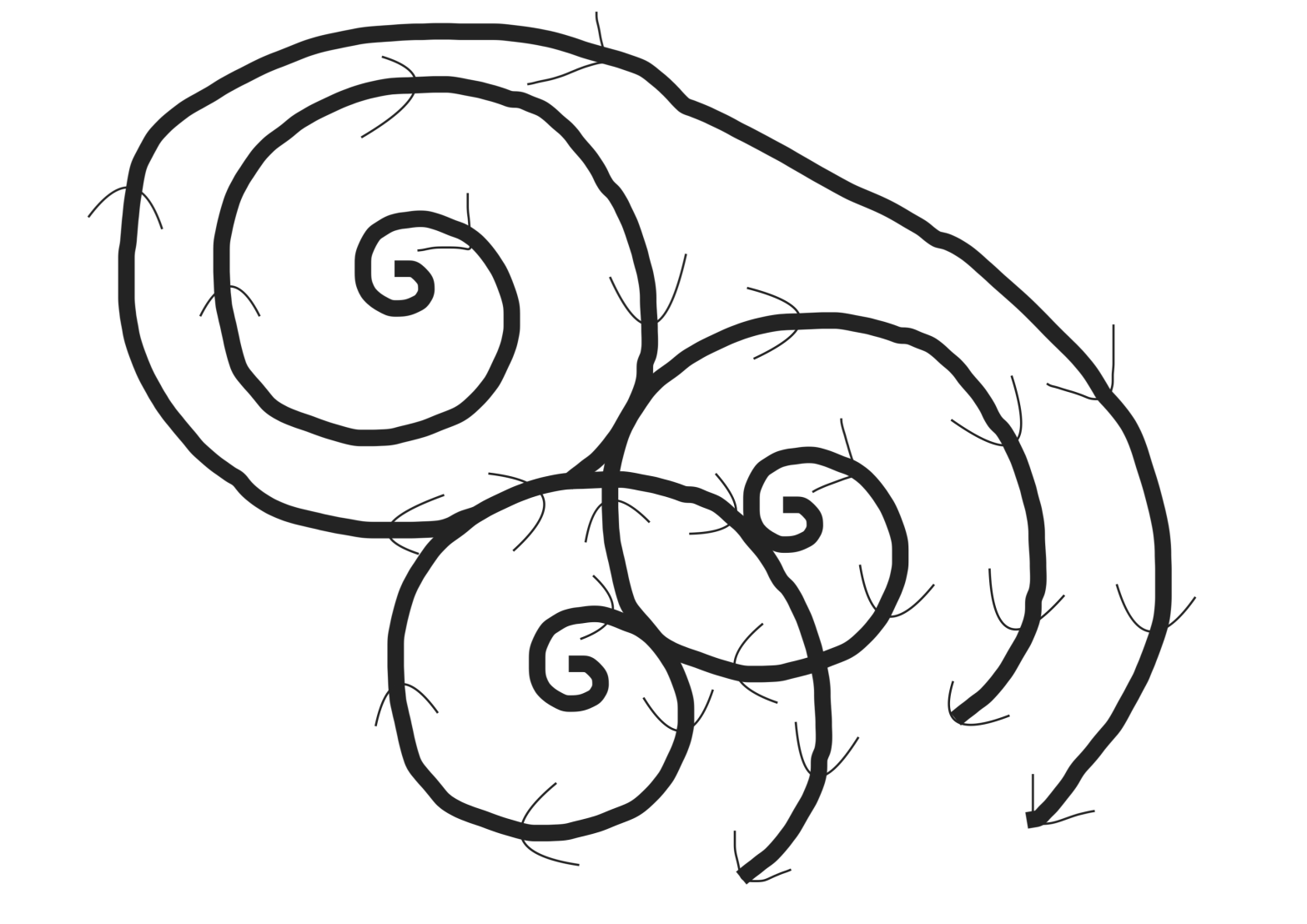
I have recently been thinking about my different sources of inspiration for the permaculture designs I create, so today I thought I would share some of the things that help me to come up with my ideas, in hopes that some of these things may also inspire you to dream and plan when it comes to your garden.
Obviously, permaculture is an approach and design methodology firmly rooted in the real and practical. We design using ethics, principles and practices long-established in the field, and always with reference to individual sites and situations.
But beyond the foundations of permaculture design, designers like me do also have some space to put some personality into designs, and can come up with imaginative ideas to incorporate in specific schemes to create a particular visual aesthetic and overall look and feel to the space.
Sustainable Landscape Design Inspired By Nature’s Patterns
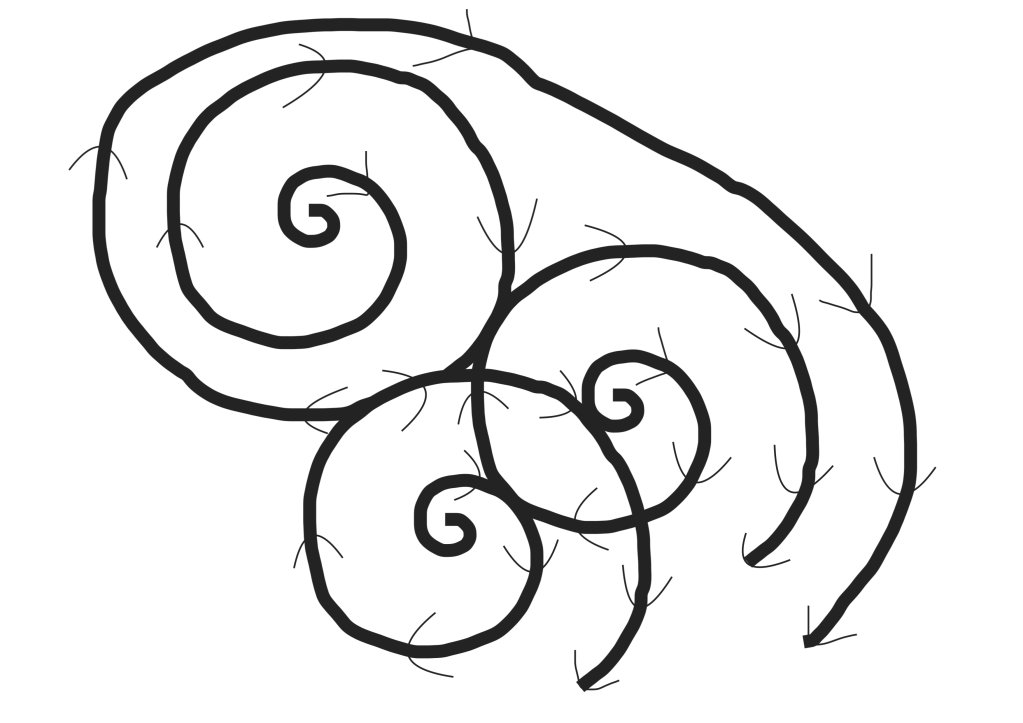
One influence and inspiration for all permaculture designers are the patterns that we find in the natural world around us, and the patterns that shape our own daily lives.
Of course, we look at the patterns when we are looking at the big picture before we hone in on the details of a design, so an understanding and analysis of patterns is built into every design.
Patterns, however, can not only shape a design practically speaking. They can also be a major source of inspiration for the layout of a garden and stylistic decisions.
For example, we may be inspired by the flow of a river, the branches of a tree, by the spiral forms and other patterns in flowers, or by the patterns of birds in flight – like the three birds of prey I saw circling over my garden, their paths intersecting, this weekend.
Permaculture Garden Design Inspired By Surrounding Natural and Man-made Landscapes
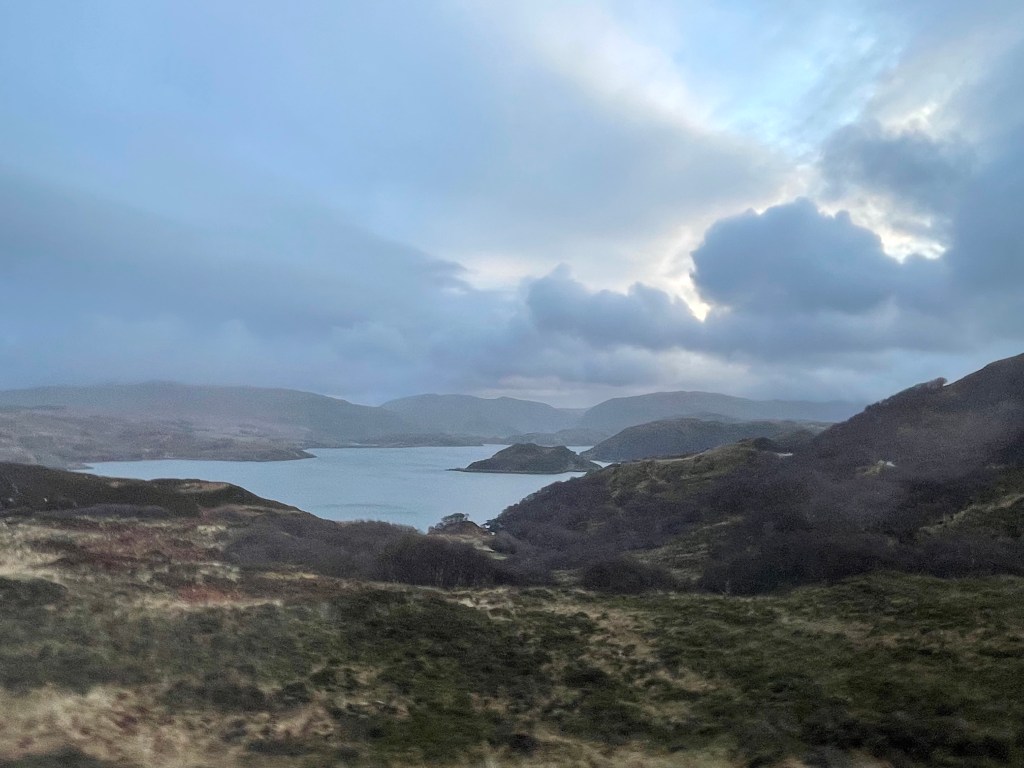
As permaculture designers, we obviously also all learn a lot through observation of and understanding of the landscape surrounding a site, as well as of the site itself. It can often be extremely important to look at a project within the broader context.
The broader environment around a site can also often prove inspiring when it comes to the more stylistic and aesthetic elements of a design, as well as helping us to reach conclusions about what practical design elements are required.
We may be inspired, for example, by the shapes of local woodland or forest areas, the overall topography, and perhaps even how these things have changed over time.
Sometimes, I am inspired by what a site and its surroundings used to look like, when working out what it will look like in future – taking a journey of the imagination into the fairly recent or even the more distant past.
Even where the landscape is far less wild and more managed, we may still be inspired by, for example, the fretwork of fields and hedges, walls or fences of local farmland.
In cities, we may be inspired by public parks or parkland areas, or even by the shapes of surrounding buildings or other man-made structures.
Sustainable Garden Design Inspired By Existing Gardens

Of course, no matter how experienced we are as sustainable garden designers, we can still learn a lot from other gardens. I will always continue to be inspired by and learn from great existing gardens.
I have seen many wonderful gardens over the years, in person and on screens, and often think back on different gardens I have enjoyed and specific garden elements that I admired. Even non-permaculture gardens can offer inspiration to incorporate into more earth-friendly designs.
In creating a design for a specific site, I have also often taken inspiration from the existing garden that a client wishes to improve, or some element thereof.
Even where major improvements are made, there can be certain elements or even just vague ideas in an existing garden that are worth keeping. We should not be too quick to throw out everything in a current garden, and there is often plenty worth keeping.
Sustainable Permaculture Designs Inspired By Culture, Myth and Legend
Any designer will be influenced by the culture in which they grew up, the narratives woven to keep ‘tribes’ together and the stories learned when young. I am often inspired by Scottish and, more broadly, British culture, mythologies and legends in creating designs.
Sometimes, cultural associations or stories I know shape designs, and even when my cultural background does not shape a design in strongly visible ways, I am often aware that it is shading in the background.
As someone with a strong interest in different cultures and mythologies, in creating designs for clients around the world I am also often inspired by the cultures, myths and legends of different geographical locations too – and many designs have contained elements of story or tradition that root them more firmly to specific locales.
Eco Landscaping Designs Inspired By Fictional Worlds
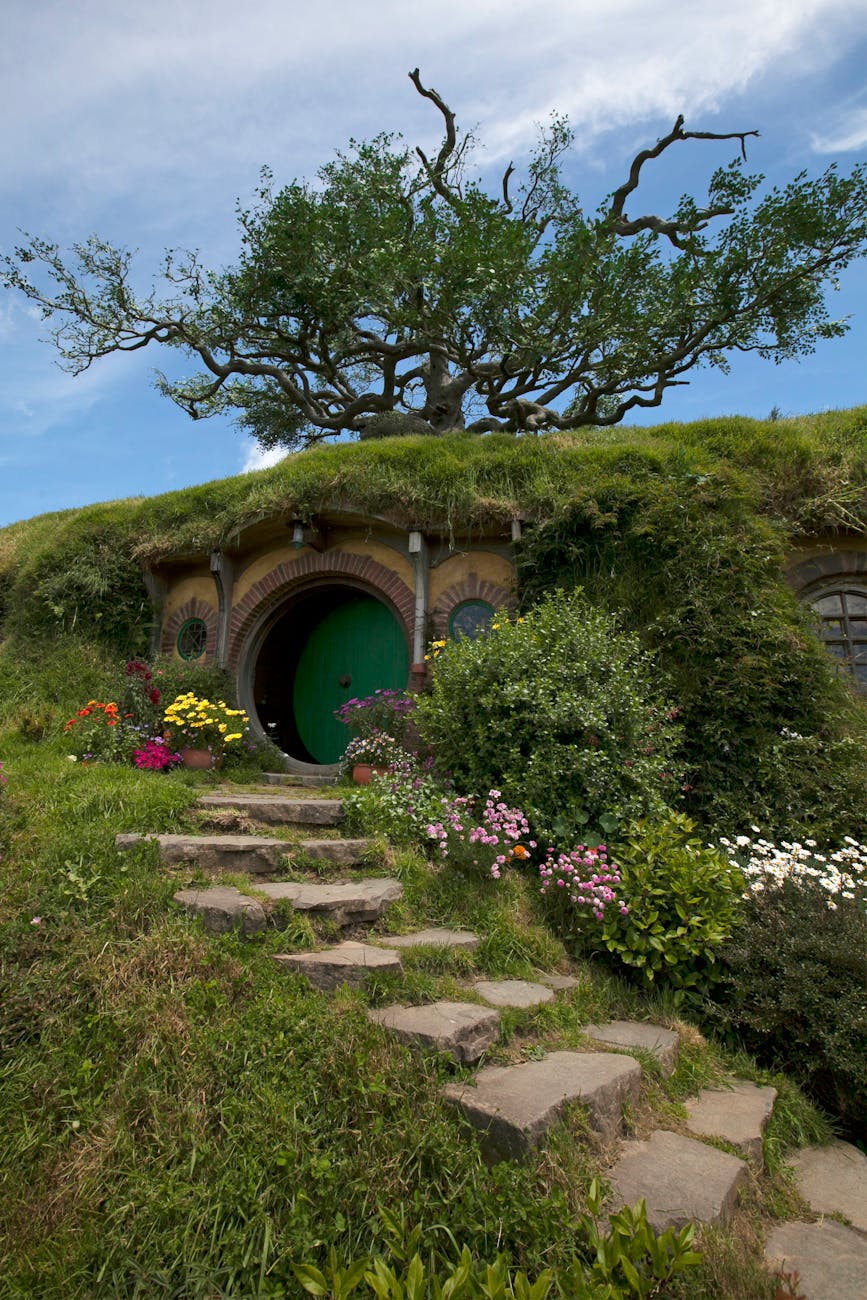
I am not only a keen gardener and designer, I am also a keen reader, and much of what I have read over the years has made it into designs. I have sometimes been inspired by the landscapes of fictional worlds, as well as by the landscapes of our own world, past and present.
To give just one example of many, I am a fan of J.R.R. Tolkien, and places from his Middle-earth have often proven to provide inspiration for elements of real-world designs.
Sometimes, the design is influenced by the fictional world in very literal ways, sometimes it is just about evoking the same feel as somewhere in the legendarium through design and planting choices.
Gardens or other landscapes definitely do not have to be real in order to spark our imaginations and serve as sources of inspiration!
 EWSP Consultancy
This was such an insightful read! I really appreciate the perspective you shared.
https://www.studiosachet.com/sustainable-landscape-design/
LikeLiked by 1 person